
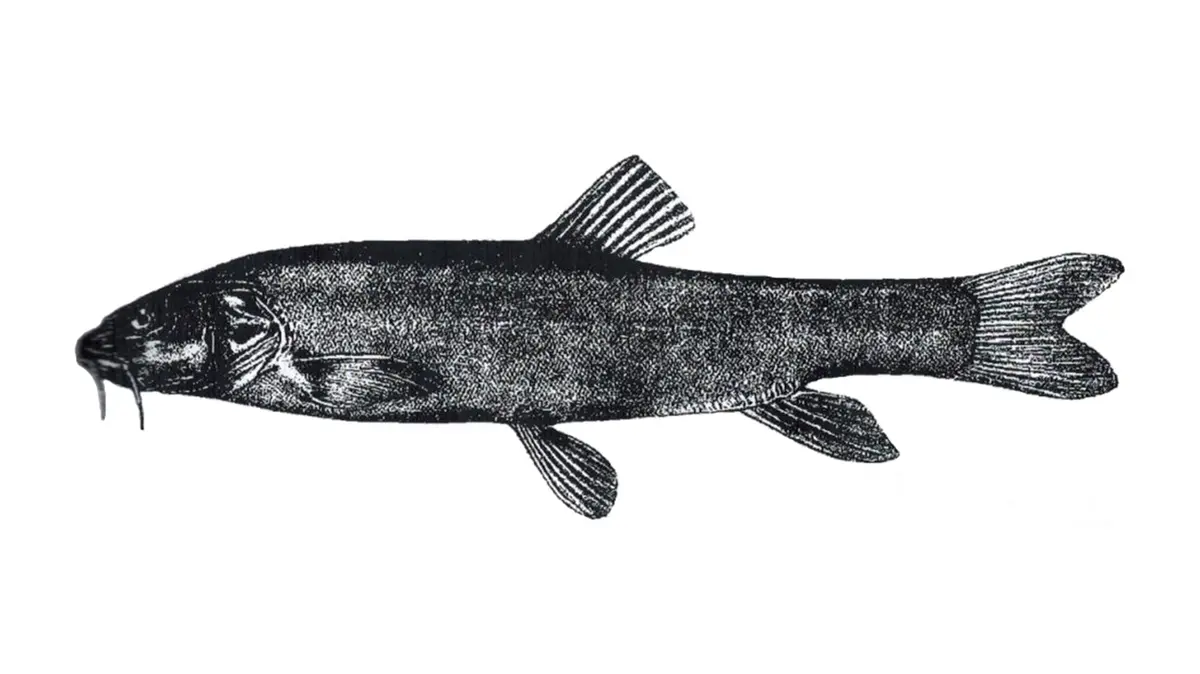
Why in news? Villagers from the Sangno clan in Arunachal Pradesh’s Weshi village have launched a community initiative to conserve the Transcaspian marinka (Schizothorax pelzami). In June 2026 they released 52 fingerlings into the Richaso stream to expand the fish’s habitat and urged a five‑year ban on fishing in the area.
Background
The Transcaspian marinka is a medium‑sized, ray‑finned fish belonging to the carp family. It inhabits fast‑flowing rivers, springs and qanats across Afghanistan, Turkmenistan and Iran. The International Union for Conservation of Nature currently lists it as a species of Least Concern because of its wide range, but local populations can decline if spawning habitats are disturbed【242355061459938†L126-L156】. The fish can grow up to 36 cm long and feeds on insects and plant material. In Arunachal Pradesh, it is called Ngarsing in the Nyishi language.
Community‑led conservation
- Translocation to Richaso stream: On 22 June 2026, 52 fingerlings collected from the Ngilso River were released into the Richaso stream near Weshi village by members of the Sangno clan【332961646117154†L68-L99】. The release was permitted by the Talo Welfare Society and witnessed by local elders.
- Fishing ban: Villagers requested a five‑year moratorium on fishing in the Richaso stream to allow the transplanted population to establish itself【332961646117154†L68-L99】. Community leaders hope the stream will become a safe breeding ground and eventually repopulate nearby rivers.
- Cultural significance: Ngarsing is prized in local cuisine and plays a role in traditional rituals. The initiative illustrates how indigenous communities are taking responsibility for conserving species important to their heritage.
About ray‑finned fishes
The Transcaspian marinka belongs to the class Actinopterygii, commonly known as ray‑finned fishes. This group is the largest and most diverse group of vertebrates on Earth, comprising around 24,000 species【599444152383614†L58-L71】. Ray‑finned fishes inhabit environments ranging from high‑altitude lakes and desert springs to subterranean caves【599444152383614†L92-L104】. Their fins are supported by bony rays rather than fleshy lobes, allowing great flexibility and swimming speed.
Conclusion
By moving fingerlings to a new stream and imposing a voluntary fishing ban, villagers in Arunachal Pradesh are demonstrating that local knowledge and participation are vital for conservation. Protecting the Transcaspian marinka not only safeguards an important species but also preserves cultural traditions linked to the fish.
Sources: The Hindu