

Why in news?
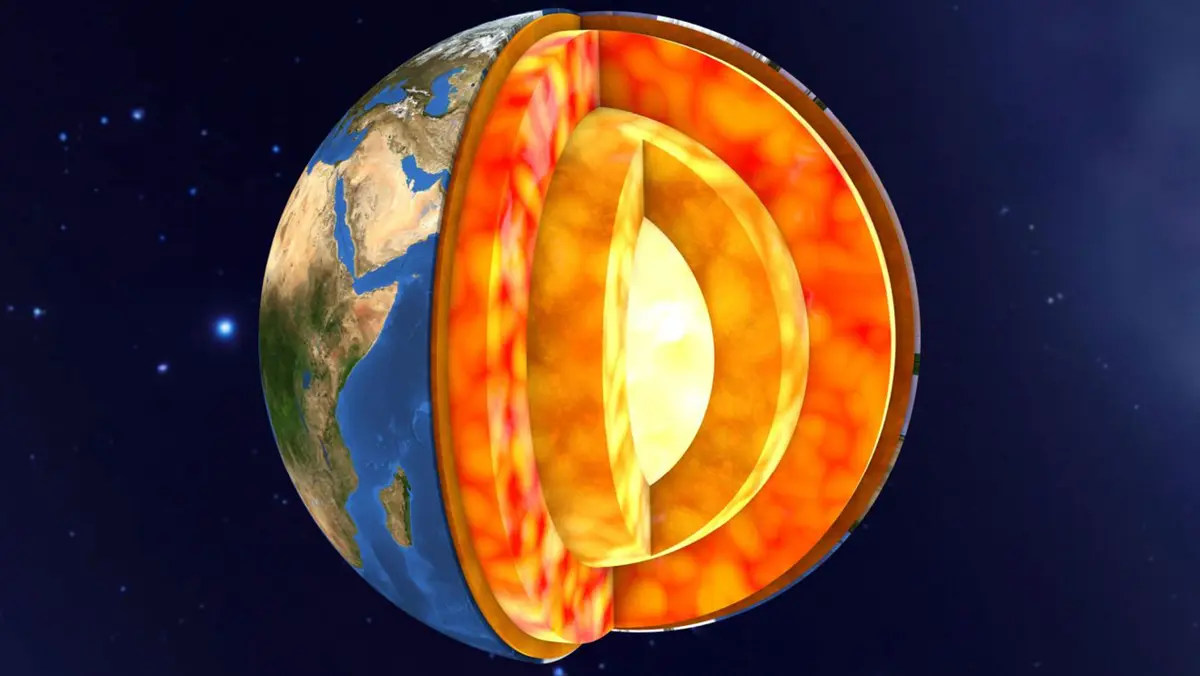
Researchers at Stanford University produced the first global map of continental mantle earthquakes. These rare quakes originate deep beneath the Earth’s crust within the mantle, rather than in the brittle crust where most earthquakes occur. The study was published on 5 February 2026 in the journal Science.
Background
Earthquakes usually start within the Earth’s crust at depths of 10–30 km. Deep earthquakes in subduction zones have long been recognised, but evidence of similar events beneath continents was limited. Using data from more than 46 000 earthquakes recorded since 1990, the Stanford team identified 459 mantle quakes deeper than 80 km below the crust–mantle boundary (the Mohorovičić discontinuity).
Key insights
- Clustering: Continental mantle earthquakes are regionally clustered. Significant concentrations occur beneath the Himalayas in southern Asia and under the Bering Strait between Asia and North America.
- Identification method: The researchers compared two types of seismic waves – Sn waves that travel through the upper mantle and Lg waves that move through the crust. Differences in wave strength help distinguish mantle quakes from crustal ones.
- Implications: Although these deep quakes are too far below the surface to cause significant shaking, studying them can reveal how stresses transfer between the crust and mantle and improve understanding of mountain‑building processes.
Significance
The new dataset offers scientists a clearer picture of where continental mantle earthquakes occur and provides a starting point for exploring their triggers. Understanding deep seismicity may ultimately help refine models of Earth’s internal dynamics and improve hazard assessments for regions above active tectonic zones.
Sources: Down To Earth