
Crohn’s Disease – Understanding and Emerging Therapies
Why in news?
Recent studies have deepened our understanding of Crohn’s disease and pointed towards new treatments. One international research team mapped gene activity across more than 50 cell types in the gut of patients with Crohn’s disease, revealing how immune and epithelial cells behave during inflammation. Another group developed small molecules that mimic a protective genetic variant of the CARD9 protein, while researchers using artificial intelligence identified a narrow‑spectrum antibiotic that targets disease‑linked Escherichia coli strains.
What is Crohn’s disease?
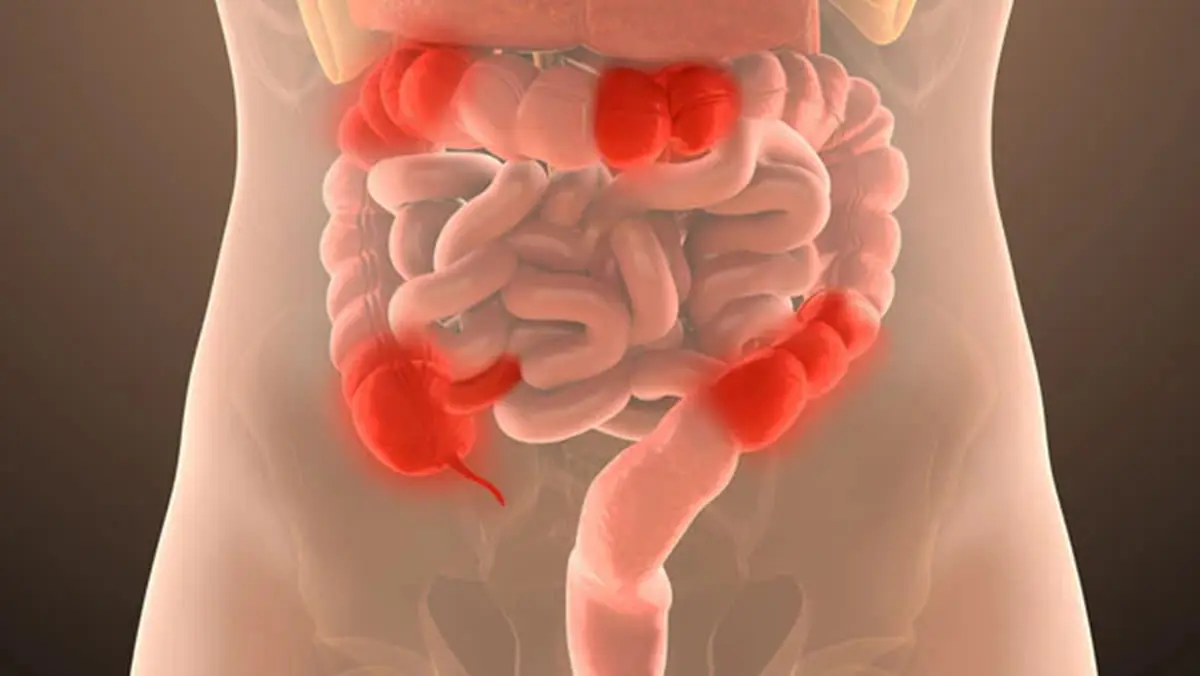
Crohn’s disease is a chronic inflammatory bowel disease that causes swelling and ulcers anywhere along the digestive tract, most commonly at the end of the small intestine and the beginning of the large intestine. It is part of a group of conditions called inflammatory bowel disease, along with ulcerative colitis. The exact cause is unknown, but a combination of genetic factors, an overactive immune response and an imbalance in gut bacteria appears to play a role. The disease typically begins in young adults and follows a pattern of flare‑ups and remissions.
Symptoms
- Persistent diarrhoea and abdominal pain.
- Unintended weight loss and fatigue.
- Rectal bleeding or blood in the stool.
- Mouth ulcers and loss of appetite.
- Inflammation around the anus, leading to fistulas or abscesses.
Current management
- Medication: Anti‑inflammatory drugs, immune suppressants and biologic therapies can reduce inflammation and maintain remission.
- Diet and lifestyle: Patients may need to modify their diet, avoid trigger foods and manage stress.
- Surgery: Some people require surgery to remove damaged sections of the intestine when complications arise.
Emerging research
- Cell atlas: By mapping gene activity across gut cell types, scientists have identified pathways that drive inflammation and tissue repair, paving the way for targeted therapies.
- CARD9 mimetics: Researchers at the Broad Institute engineered small molecules that mimic a protective variant of the immune protein CARD9. These compounds reduce inflammatory signalling in human immune cells and mice, offering a potential new therapy.
- Enterololin: Using artificial intelligence, scientists discovered an antibiotic dubbed enterololin that kills Crohn’s‑associated E. coli but spares beneficial gut bacteria. AI predicted its mechanism of action and accelerated development.
Conclusion
Crohn’s disease remains a lifelong condition without a cure, but research is rapidly advancing our understanding of its causes and offering hope for new treatments. By combining genetics, immunology and artificial intelligence, scientists are working towards therapies that could improve the quality of life for millions of patients.