
Why in news?
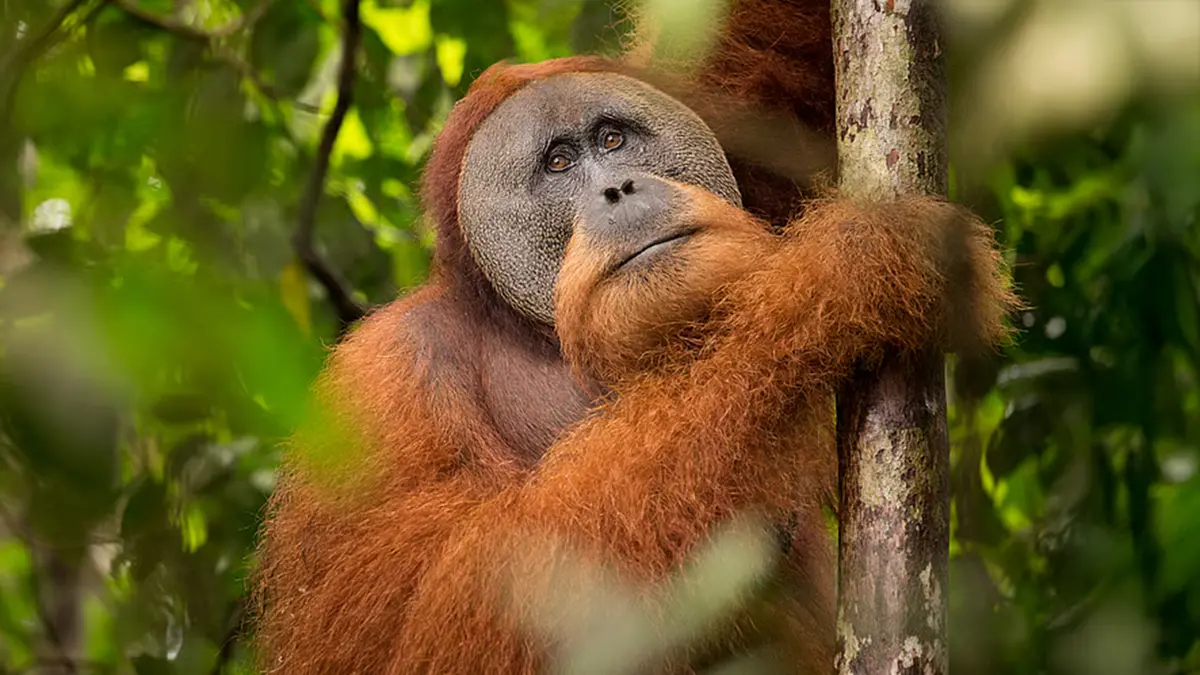
In November 2025 Tropical Cyclone Senyar struck North Sumatra. Intense rainfall triggered landslides in the Batang Toru ecosystem, home to the critically endangered Tapanuli orangutan. Scientists reported that about 58 individuals died, which is roughly seven per cent of the entire species. The disaster renewed calls for stronger conservation measures.
Background
The Tapanuli orangutan was recognised as a distinct species only in 2017. Fewer than 800 animals remain in the wild, all confined to the Batang Toru forest in Sumatra’s highlands. Habitat loss from logging, mining and dams already threatened their survival. When Cyclone Senyar stalled over the region it delivered more than 1 000 millimetres of rain in four days. Landslides destroyed 8 300 hectares of forest and swept away orangutans.
Key details
- Scientists estimate that rainfall intensity was about 50 per cent higher because of climate change.
- The deaths represented seven per cent of the species and 11 per cent of the local population.
- Conservationists urge the Indonesian government to halt mining, hydropower and road projects in Batang Toru.
- Even a one per cent annual decline could push the species toward extinction.
Conclusion
Cyclone Senyar exposed the vulnerability of the Tapanuli orangutan to extreme weather and habitat destruction. Without strict protection of their forest and curbs on development, these primates may vanish within decades.
Source: Times Of India