
Why in news?
The Damodar River, once called the “Sorrow of Bengal,” has been in the news because of concerns about flood management and the role of the Damodar Valley Corporation in controlling river waters. Recent debates focus on balancing flood mitigation with irrigation, power generation and industrial development in eastern India.
Background
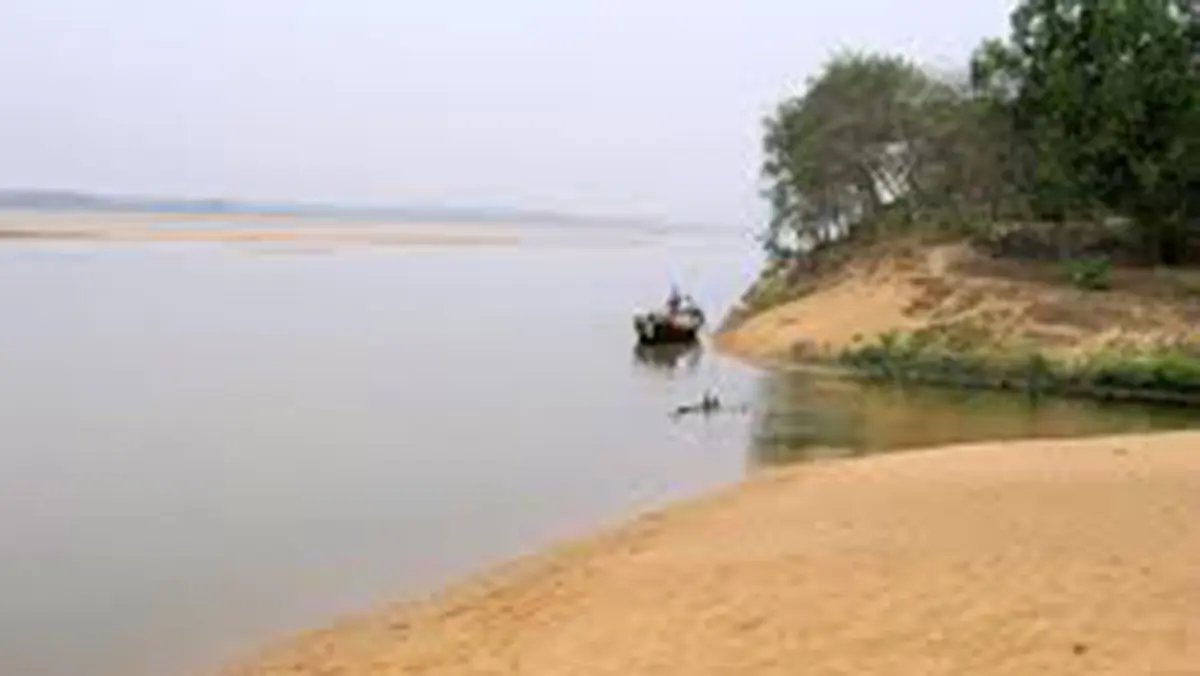
The Damodar River originates in the Khamarpat hills on the Chota Nagpur Plateau in Jharkhand. It flows eastward for about 592 kilometres through West Bengal before joining the Hooghly River near Howrah. The river and its tributaries—Barakar, Konar, Bokaro and others—drain a heavily forested and coal‑rich basin.
Because the Damodar is rain‑fed, it receives most of its 1,400 mm annual rainfall during June to August. Historically this led to devastating floods. Major flood years recorded in colonial times include 1770, 1855, 1866, 1926, 1935 and 1943. The destructive floods earned the river the nickname “Sorrow of Bengal.”
Flood control and the Damodar Valley Corporation
- In 1948 the Government of India created the Damodar Valley Corporation (DVC), modelled on the Tennessee Valley Authority in the United States. It is a multipurpose project entrusted with flood control, irrigation, hydropower generation and socio‑economic development in the Damodar basin.
- DVC built four major dams—Tilaiya (1953), Konar (1955), Maithon (1957) and Panchet (1959)—on the Damodar and its tributaries. Additional barrages and canals irrigate millions of hectares in Jharkhand and West Bengal.
- The dams have greatly reduced peak flood discharge. However, critics argue that siltation and unplanned releases still cause inundation downstream. Balancing reservoir levels for power production and flood moderation remains challenging.
- The availability of cheap hydropower from DVC spurred industrialisation in the coalfields of eastern India, earning the area the nickname “Ruhr of India.” Steel plants and thermal power stations flourished along the river.
Environmental and social aspects
- Thousands of people were displaced during dam construction in the 1950s. Rehabilitation and compensation issues continue to be debated.
- Mining and industrial activities have polluted the river. Efforts are underway to reduce fly ash, heavy metals and acidic effluents entering the Damodar.
- Ecologists call for restoring riparian forests and wetlands to enhance the basin’s resilience to climate variability.
Conclusion
The Damodar River illustrates both the benefits and challenges of river‑valley development. While the DVC has tamed floods and powered industrial growth, sustainable management requires constant vigilance. Future strategies must integrate flood control with environmental protection and equitable water distribution.

