
Why in news?
A new report from the International Centre for Integrated Mountain Development (ICIMOD) found that winter 2025‑26 saw a 27 percent decline in snow persistence across the Hindu Kush Himalaya. It is the fourth straight year of below‑average snow cover and raises concerns about water security for millions downstream.
Background
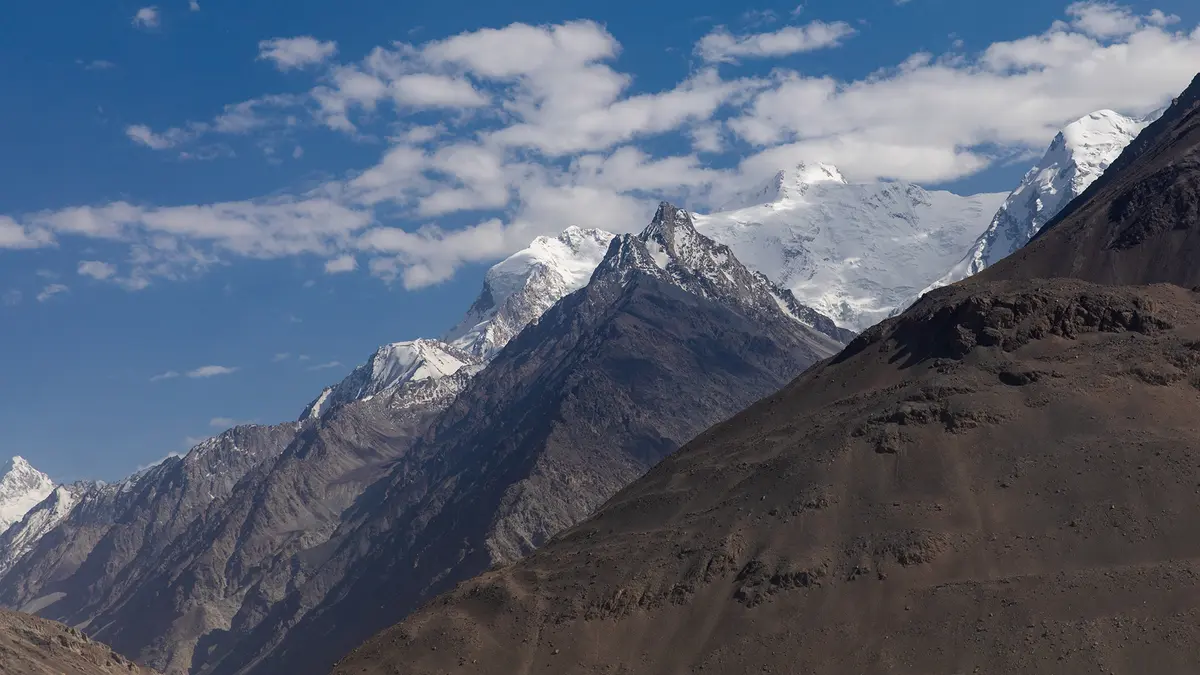
The Hindu Kush Himalaya, often called the Third Pole, is a high‑altitude region stretching roughly 3,500 km across eight countries – Afghanistan, Bangladesh, Bhutan, China, India, Myanmar, Nepal and Pakistan. With more than 60,000 glaciers, it forms the largest storehouse of ice outside the polar regions and feeds ten major rivers including the Ganga, Brahmaputra and Indus. Nearly two billion people rely on its snowmelt for drinking water, irrigation and hydropower. Rising temperatures and changing precipitation patterns are causing glaciers to retreat and snow to melt earlier each year.
Recent findings
- Record decline: Snow persisted on the ground 27 percent less than the long‑term average, exceeding last year’s 23.6 percent shortfall.
- Limited basins with surplus: Only the Ganga and Irrawaddy basins recorded above‑average snow, while the Mekong (‑59.5%), Tibetan Plateau (‑47.4%) and Salween (‑41.8%) saw sharp drops.
- Drought risk: Reduced snow means less meltwater in early summer. ICIMOD warns that communities may face water shortages, increased groundwater use and drought, particularly in western basins such as the Amu Darya and Indus.
Causes and implications
Snow persistence depends on both snowfall and temperature. Warmer winters and erratic precipitation linked to climate change are causing snow to melt sooner and glaciers to shrink. Earlier reports noted that glaciers in the HKH are melting twice as fast now as they did two decades ago. Less snow not only threatens water supply and hydropower generation but also affects agriculture, biodiversity and disaster risk in the region. Downstream nations must coordinate water management, invest in drought preparedness and reduce greenhouse‑gas emissions to slow these trends.
Conclusion
The HKH region functions as Asia’s water tower. Continuous loss of snow and ice could destabilise water cycles and livelihoods across South and Southeast Asia. Urgent action — including climate‑adaptation measures, transboundary cooperation and sustainable development — is needed to protect this fragile mountain system.
Source: Down To Earth

