

Why in news?
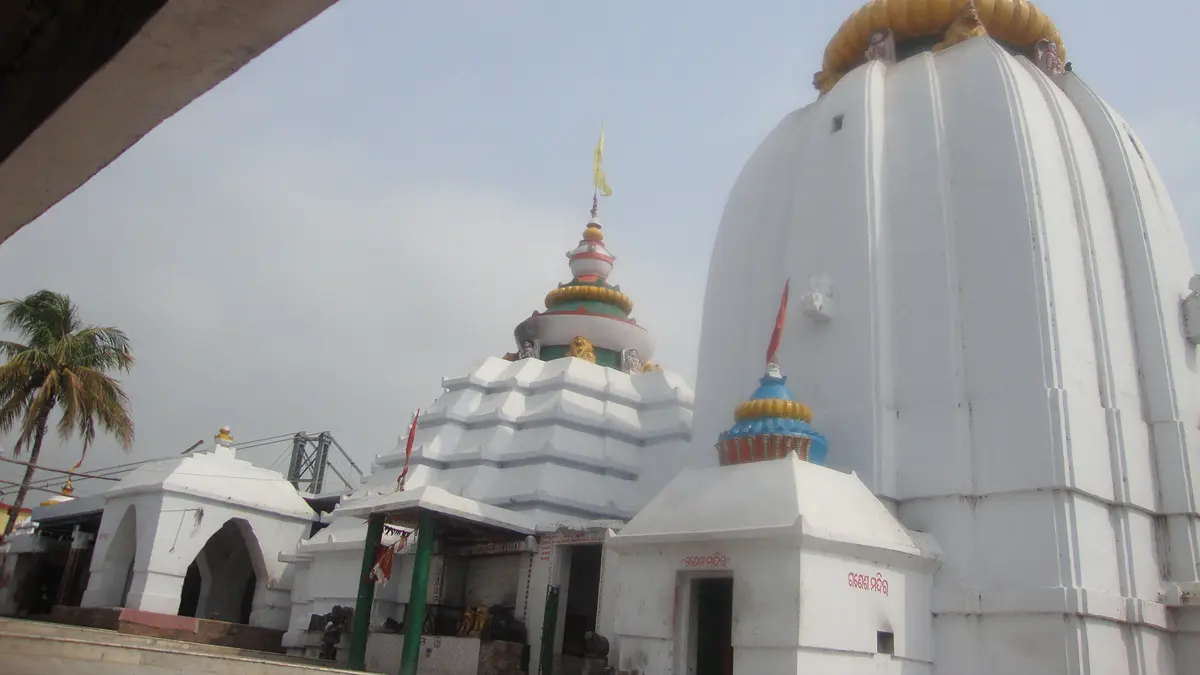
President Droupadi Murmu offered prayers at Dhabaleswar Temple near Berhampur on 5 August 2026. The visit concluded her three-day tour of Odisha.
Akashvani News also reported her visit to the Army Air Defence College at Gopalpur. She later travelled by special train from Berhampur to Bhubaneswar.
Background and the essential location check
The temple in the news is in the Berhampur–Gopalpur part of Ganjam district in southern Odisha. Official records support this geographical context.
An Odisha Works Department inventory records a Karlapalli–Markandi road passing through Dhabaleswar. The Ganjam district portal separately identifies Berhampur and Gopalpur as important local places.
Public official material provides little reliable detail about this shrine’s construction, patronage or architectural history. Those gaps must not be filled with another temple’s history.
The better-known Dhabaleswar shrine near Cuttack is a different place. Cuttack district describes it as a Shiva shrine on a Mahanadi island.
The district profile links the island to Mancheswar by a hanging bridge. It places the road journey from Cuttack at about 30 kilometres.
Those details prove nothing about the temple near Berhampur. A shared name and dedication do not establish a shared site or history.
What can be stated with confidence
The President visited Dhabaleswar Temple near Berhampur in Ganjam; the Mahanadi island temple near Cuttack is a separate shrine. The first fact comes from the official broadcaster’s contemporary report; the second comes from Cuttack district’s official profile.
Claims about dynasties, dates or Kalinga architecture require evidence specific to the Berhampur site. They cannot be transferred from its namesake.
Why this correction matters beyond one temple
Namesake confusion is common in heritage reporting. Place names, deities and local traditions recur across India. Later websites may repeat an early error until an unsupported statement seems established. Careful location checks can stop this cycle.
Reports should match an event to its district and nearby landmarks; they should also check district or endowment records.
Historical claims must remain separate from current-event facts. This is especially important when a constitutional office brings sudden attention to a local site.
The visit can bring useful visibility to the Berhampur–Gopalpur region. Yet heritage attention should extend beyond promotion. Durable gains include clear signage, safe access, drinking water and sanitation. Visitor arrangements must also respect ordinary worshippers.
Temple authorities and historians could prepare a verified local history. This would inform visitors without borrowing unsupported claims from another shrine.
The coastal location brings cyclones, intense rain and saline air. Maintenance plans should address these pressures and higher volumes of waste.
Tourism should benefit local transport providers, vendors and craftspeople. It should not turn the sacred space into an unmanaged commercial zone. Public institutions also need precise digital inventories of cultural sites. Each record could include the official name, location, authority and photographs.
A carefully sourced history would help journalists, travellers and administrators distinguish sites. The same record could support conservation and disaster preparation.
Some histories will remain incomplete despite careful research; an honest uncertainty is better public history than a confident, borrowed legend.
Conclusion
The President prayed at Dhabaleswar Temple near Berhampur; she did not visit the famous Mahanadi island shrine near Cuttack. Accurate location is the first step in preserving heritage. Responsible reporting must not decorate a thin record with another monument’s history.