
Why in news?
On 12 June 2026 the Department for Promotion of Industry and Internal Trade and the Open Network for Digital Commerce held a roundtable on DigiDukaan. The initiative aims to digitise business processes for more than 1.4 crore neighbourhood grocery shops or “kirana” stores across India. Early pilots in Hyderabad have shown promising results.
Background
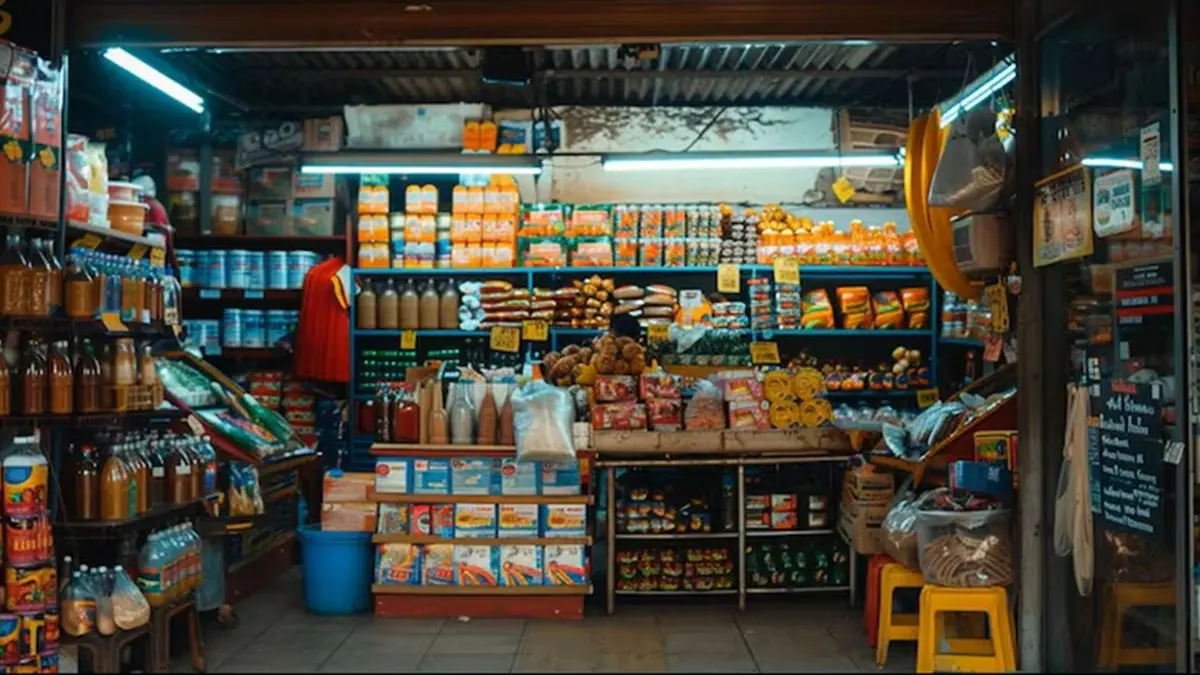
Kirana shops account for about 75–80 percent of fast‑moving consumer goods sales in India. They often rely on informal procurement from local distributors, which limits their bargaining power and access to brands. ONDC is a digital public network that allows buyers and sellers to transact through interoperable platforms. DigiDukaan applies this concept to general trade so that small retailers can order goods online and receive deliveries from multiple suppliers.
Key features
- Direct procurement: Retailers can place orders with manufacturers and authorised distributors through a mobile app. This increases margin by reducing layers of middlemen and makes promotional schemes more transparent.
- Improved working capital: Digital ordering and payment help shops manage inventory and cash flow. They can avoid overstocking and ensure timely deliveries. Distributors also gain access to a wider market without expanding sales teams.
- Data and visibility: Brands receive direct information about demand and scheme utilisation. This allows better supply chain planning and targeted marketing. Retailers can view competing offers and choose the best deals.
- Pilot successes: In Hyderabad more than 10,000 retailers and over 35 brands have onboarded via a platform called Qwipo. Another platform, Salescode, will launch a DigiDukaan pilot in Jaipur on 19 June 2026. Expansion is planned for Mumbai, Bengaluru and Delhi‑NCR.
Challenges discussed
- Fragmented engagement: Retailers are used to personal relationships with sales agents. Getting them to adopt a digital ordering system requires training and trust building.
- Rising costs: Manufacturers face higher distribution costs and seek more efficient channels. DigiDukaan could help by aggregating orders and reducing duplication.
- Limited visibility: Lack of data on secondary sales makes it hard for companies to forecast demand. Digital records can improve analytics and help reduce inventory waste.
Conclusion
DigiDukaan has the potential to transform India’s traditional retail landscape. By giving kirana owners direct access to suppliers and data tools, the initiative can boost margins and encourage fair competition. Success will depend on easy‑to‑use technology, awareness campaigns and collaboration among retailers, distributors and brands.