
Why in news?
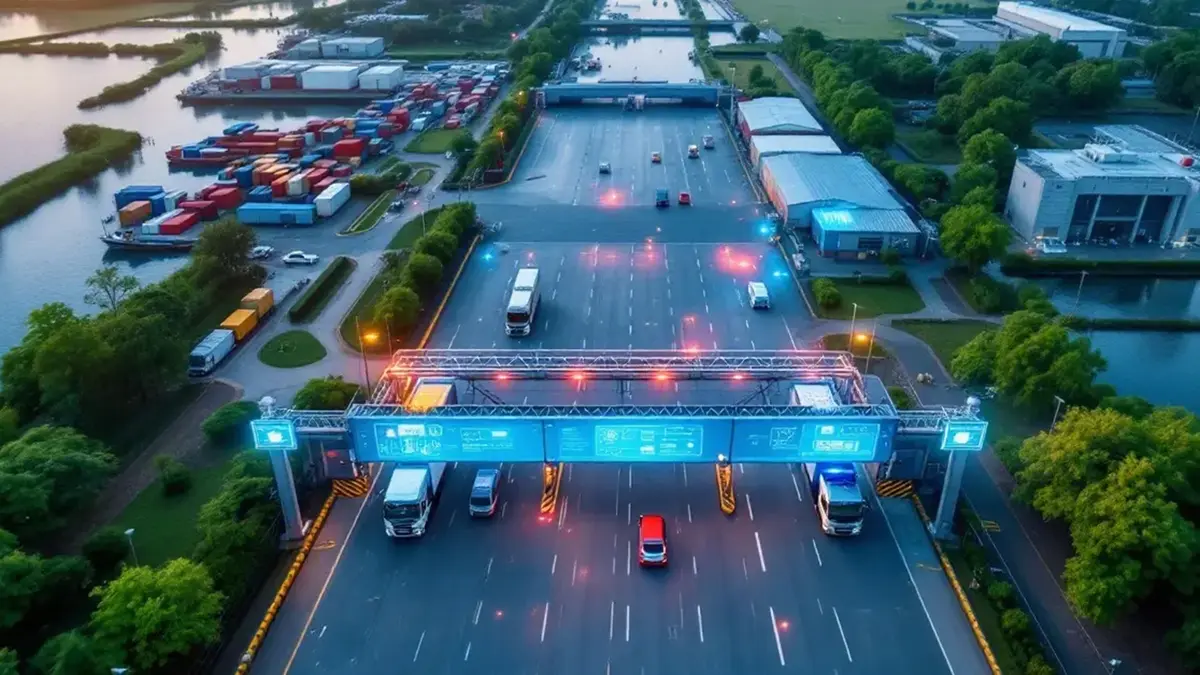
On 8 June 2026 the Union Home Minister unveiled the Land Port Management System (LPMS), a digital platform designed to modernise cross‑border trade and travel at India’s land ports. The system will integrate customs, immigration, security and logistics functions, bringing land ports on par with the digital processes already in place at airports and seaports.
Background
The Land Ports Authority of India (LPAI), under the Ministry of Home Affairs, manages 15 land ports on India’s borders with Bangladesh, Nepal, Bhutan, Pakistan and Myanmar. These gateways handle millions of passengers and large volumes of cargo every year. Until now, procedures at land ports were largely paper‑based, causing delays and unpredictable transit times. The LPMS aims to digitise the entire workflow from slot booking to customs clearance.
Main features
- End‑to‑end workflow: The platform enables traders and passengers to book slots, make payments, submit documents and track cargo online. Authorities can schedule inspections and clearances more efficiently.
- Integration with national portals: LPMS interfaces with the Indian Customs Electronic Gateway (ICEGATE), the Unified Logistics Interface Platform (ULIP) and the national motor vehicle database to exchange information securely in real time.
- Single‑window clearances: Multiple government agencies—including customs, immigration, security and quarantine authorities—access the same digital platform. This reduces duplication of paperwork and allows for quicker clearances.
- List of land ports: LPAI currently operates Attari and Dera Baba Nanak in Punjab; Rupaidiha and Raxaul in Uttar Pradesh and Bihar; Jogbani and Darranga in Assam; Petrapole, Dawki, Sutarkandi, Golakganj and Mankachar in West Bengal and Assam; and Agartala, Srimantapur, Sabroom and Moreh in the northeast.
- Benefits: The platform is expected to cut transaction time and costs, improve security through traceable procedures, and enhance transparency for traders and passengers.
Conclusion
The digital Land Port Management System represents a significant step toward seamless border management. By integrating diverse agencies onto one platform, India can facilitate trade, enhance security and improve the travel experience. Continuous training and infrastructure upgrades at land ports will be necessary to realise its full potential.