

Why in news?
A spectator enclosure at the Red Fort’s Independence Day ceremony carried the name “Dimna Lake.” The 15 August 2026 arrangements used names of 25 important Indian lakes for seating enclosures. The change replaced status-heavy labels with geographic names. It was intended to highlight water bodies and the need for conservation.
The naming did not grant Dimna a new legal category or conservation status. It was a symbolic part of the national ceremony in Delhi. Dimna itself is an artificial lake near Jamshedpur in Jharkhand. Its selection brought an industrial city’s water reserve into a nationwide discussion about lakes, catchments and public responsibility.
Where is Dimna Lake?
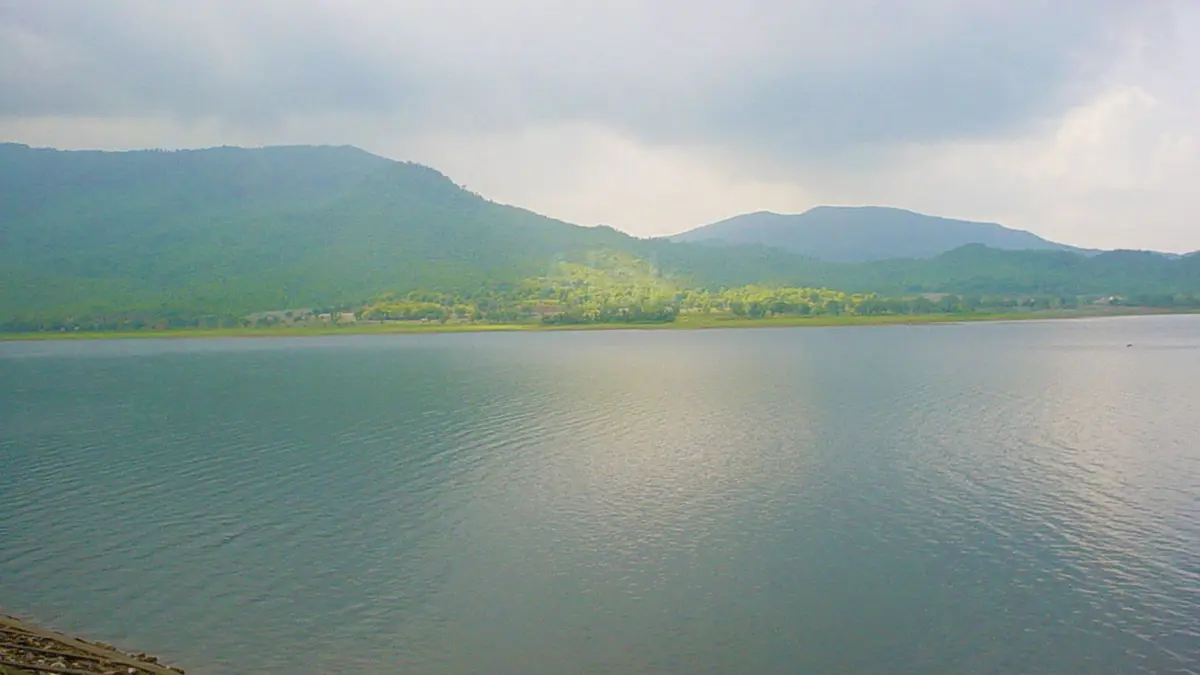
Dimna Lake lies about 13 to 15 kilometres from Jamshedpur. It sits close to the foothills of the Dalma range in East Singhbhum district. The surrounding area includes forested slopes, villages and expanding urban activity. Dalma Wildlife Sanctuary lies in the wider hill landscape. The lake is therefore connected with both city water needs and a sensitive ecological setting.
Jamshedpur developed around the valleys of the Subarnarekha and Kharkai rivers. Dimna lies away from the city’s dense industrial core. Low hills and monsoon runoff shape its catchment. The lake offers views towards Dalma and has become a recreation site. Its location also makes tourism management part of water-source protection.
How the reservoir was created
Dimna is a man-made impoundment completed by Tata Steel in 1944. It was developed as a reserve water source for the steel works and township. Rainfall and runoff from the local catchment supply much of its water. Tata Steel has also pumped Subarnarekha water into the reservoir during suitable seasons. The river itself was not dammed to create Dimna Lake.
This distinction matters for understanding the water system. A rain-fed reservoir depends on the health of nearby slopes and drainage channels. Pumped river water can supplement storage, but requires energy and careful operation. Changes in rainfall can affect both inflow and demand. Catchment damage may increase silt and reduce usable storage over time.
Why the lake matters to Jamshedpur
Dimna serves as an important reserve within Jamshedpur’s water infrastructure. It supports supply to the city and industrial operations during periods of need. The reservoir also moderates dependence on immediate river flows. Such backup capacity becomes more important during dry months or operational disruptions. However, storage alone cannot solve rising demand without efficient use.
The lake is also a popular picnic and viewing location. Visitors bring local income and public connection with the landscape. Heavy traffic, litter and untreated waste can damage the same water body people visit. Recreation therefore needs toilets, waste collection and controlled access near sensitive banks. Safety arrangements are equally important around deep water.
What symbolic naming can achieve
Names at a national ceremony can widen public knowledge. They can introduce a lesser-known lake to readers outside Jharkhand. They can also replace social hierarchy with shared natural heritage. Yet symbolic recognition does not clean water or stop encroachment. The effect becomes useful only when it encourages local monitoring and accountable management.
Lake conservation begins in the catchment, not only at the shoreline. Authorities must track land-use change, silt inflow and water quality. They should control construction that blocks natural drains. Industries and urban bodies need transparent data on withdrawals and pollution. Local communities require a voice because their livelihoods and access may change with management decisions.
A wider water-security lesson
Artificial lakes are often treated as isolated containers. In reality, each depends on rainfall, soil, streams and surrounding land. Dimna also connects with river pumping and an urban distribution system. Climate variability may bring both intense downpours and longer dry spells. Managers must prepare for erosion during floods and shortage during weak monsoons.
Demand management is therefore as important as new storage. Leakage control, water reuse and efficient industrial processes can reduce pressure. Regular desiltation should follow scientific assessment rather than routine excavation. Ecological buffers can filter runoff before it reaches the water. Public dashboards can make water levels and quality easier to understand.
A name can open a national conversation
Dimna’s Red Fort recognition is symbolic. The lake did not receive a new legal status. Its lasting value depends on stronger catchment care and clean shores. Transparent water management near Jamshedpur must turn public attention into practical protection.
Conclusion
Dimna Lake links industrial history, city water security and the Dalma landscape. Its story is more useful than a ceremonial label alone. The reservoir is rain-fed and also receives pumped river water. This mixed system needs careful operation and a healthy catchment. Public attention should strengthen accurate understanding of how the lake functions.
The Red Fort naming can help citizens notice India’s varied water bodies. Conservation must now remain grounded in local evidence and daily maintenance. Cleaner tourism, controlled runoff and efficient water use can protect Dimna. Cooperation among industry, government and residents is essential. A national symbol gains meaning when the real lake becomes healthier.