
Why in News?
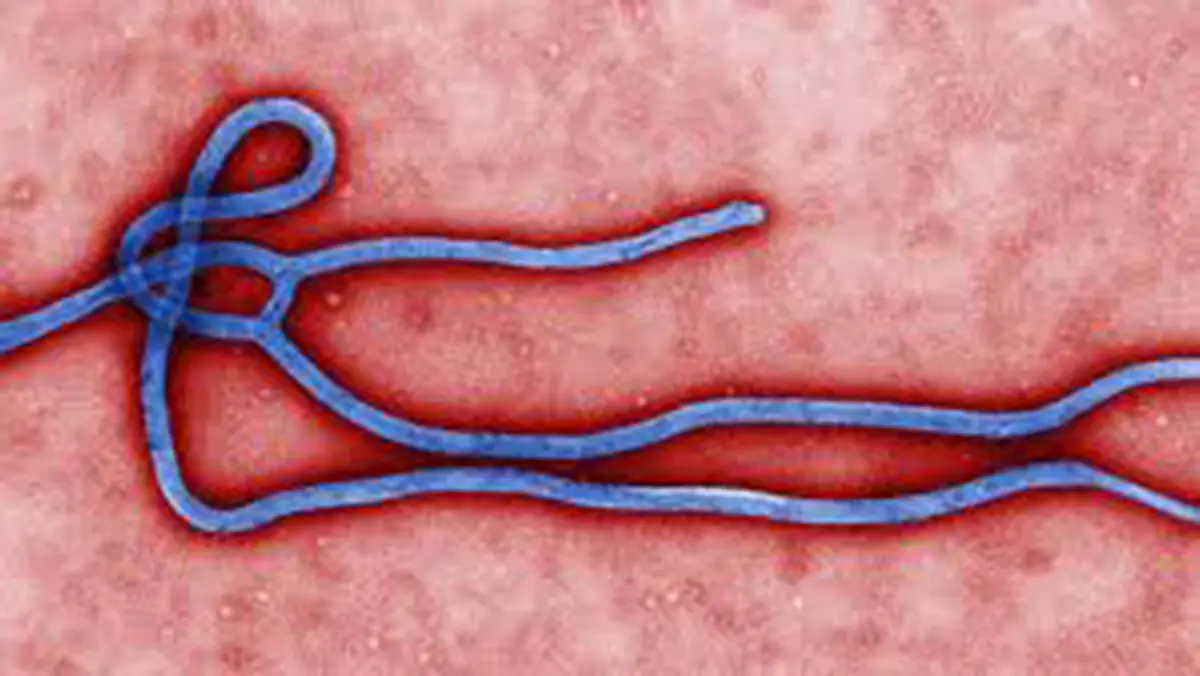
On 15 May 2026 the Democratic Republic of Congo (DRC) declared an outbreak of Ebola virus disease in Ituri province. By 16 May, the World Health Organization reported eight laboratory‑confirmed cases, around 246 suspected cases and 80 suspected deaths. Two confirmed cases were also detected in Kampala, Uganda. The causative agent is the Bundibugyo ebolavirus, a rare strain for which there is no licensed vaccine or specific treatment.
About Ebola Virus Disease
- Cause – Ebola is a severe, often fatal illness caused by Ebolaviruses in the Filoviridae family. Five species are known to infect humans: Zaire, Sudan, Bundibugyo, Taï Forest and Reston.
- Transmission – The virus spreads through direct contact with blood, secretions or other body fluids of infected persons or animals. It can also be transmitted via contaminated surfaces and equipment. Ebola is not airborne.
- Symptoms – After an incubation period of 2–21 days, patients develop sudden fever, muscle pain, fatigue, headache and sore throat followed by vomiting, diarrhoea, rash and, in severe cases, internal and external bleeding. Many deaths result from dehydration and organ failure.
- Treatment and prevention – There is no specific antiviral therapy for Bundibugyo ebolavirus. Supportive care—such as rehydration, electrolyte management and treatment of co‑infections—improves survival. Vaccines exist for the Zaire and Sudan strains, but none has been licensed for Bundibugyo.
Current Situation
- Case counts – As of mid‑May 2026, eight laboratory‑confirmed cases were reported in DRC’s Ituri province, with over two hundred suspected cases and dozens of suspected deaths. Surveillance teams were investigating clusters of community deaths.
- Spread to Uganda – Two confirmed cases were detected in Kampala, indicating cross‑border transmission. Authorities in both countries intensified contact tracing and monitoring.
- Challenges – The outbreak occurs in a region with chronic insecurity and population displacement, hampering access to health facilities and safe burials. Laboratory capacity for rapid diagnosis is limited, and high case fatality rates of 25–50 % in previous outbreaks raise concern.
- Risk to other countries – The United States Centers for Disease Control and Prevention (CDC) assessed the risk of importation as low but advised travellers returning from affected areas to monitor their health and seek medical attention if symptoms appear.
Public Health Response
- Implement ring surveillance to identify and monitor contacts of confirmed cases for 21 days.
- Establish isolation units and train healthcare workers in infection prevention and control, including the use of personal protective equipment.
- Engage communities to promote early reporting of symptoms, avoid unsafe burials and dispel myths surrounding the disease.
- Coordinate cross‑border response through the WHO, the African Union and neighbouring countries to prevent further spread.
Conclusion
The 2026 Bundibugyo ebolavirus outbreak underscores the unpredictability of emerging infectious diseases and the importance of preparedness. Although the number of confirmed cases is relatively small, the high number of suspected cases and lack of specific vaccines warrant vigilance. Strengthening surveillance, fostering community trust and supporting local health systems are essential to containing the outbreak and protecting neighbouring regions.

