
Why in news?
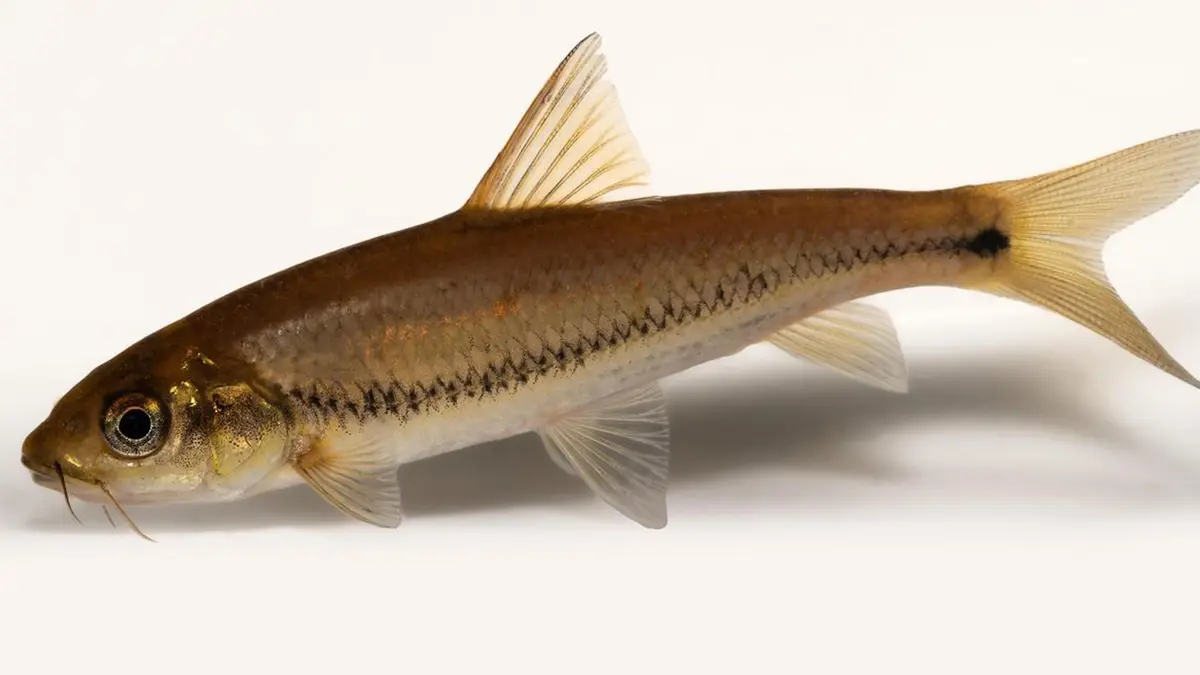
Scientists have described a new species of fish named Eechathalakenda incognita from the upper reaches of the Periyar River in Kerala. The discovery resolved a decades‑old mix‑up with another species and highlights the rich but threatened biodiversity of the Western Ghats.
Background
The genus Eechathalakenda was long thought to contain only one species, Eechathalakenda ophicephala, found in the headwaters of the Pamba River. Researchers collected specimens from the Periyar River at elevations above 900 metres and compared their morphology and DNA with known samples. They found significant differences in body shape, scale patterns and genetic sequences, showing that the Periyar population belongs to a different species. The name incognita (meaning “unknown”) reflects the fact that this fish had been hiding in plain sight for decades.
How the new species differs
- Colour and stripes: E. incognita has a bold horizontal stripe along its sides and a distinct pigmentation pattern, whereas E. ophicephala shows more diffuse markings.
- Fin structure: The new species possesses a different number of pectoral fin rays and variations in the shape of the supraneural bones (small bones that support the dorsal fin).
- Lateral‑line scales: It has more lateral‑line scales and more rows of scales between the dorsal fin and lateral line than its close relative. These features help scientists distinguish between similar‑looking fish.
- Genetic distance: Analysis of the mitochondrial cytochrome c oxidase (COX1) gene showed that E. incognita differs from E. ophicephala by about 5 percent, a difference large enough to warrant species‑level recognition.
- Distribution and conservation: Both species have very restricted ranges in high‑altitude streams of the Western Ghats. The new species is known only from the Periyar Tiger Reserve, while E. ophicephala is confined to the Pamba River. Because their habitats are small and threatened by dams, pollution and climate change, researchers have called for urgent protection.
Conclusion
The identification of Eechathalakenda incognita reminds us that much of India’s freshwater biodiversity remains undocumented. Careful fieldwork and genetic analysis can reveal hidden species and guide conservation planning. Protecting the pristine headwaters of rivers like the Periyar and Pamba is vital for preserving unique fish and the ecosystems they inhabit.