
Why in news?
Estonia’s foreign minister and business leaders recently visited India to discuss trade, digital governance and defence cooperation. The Baltic nation is positioning itself as a gateway for Indian companies to access northern Europe. It also sees potential in collaborating on artificial intelligence and rare‑earth magnets.
Background
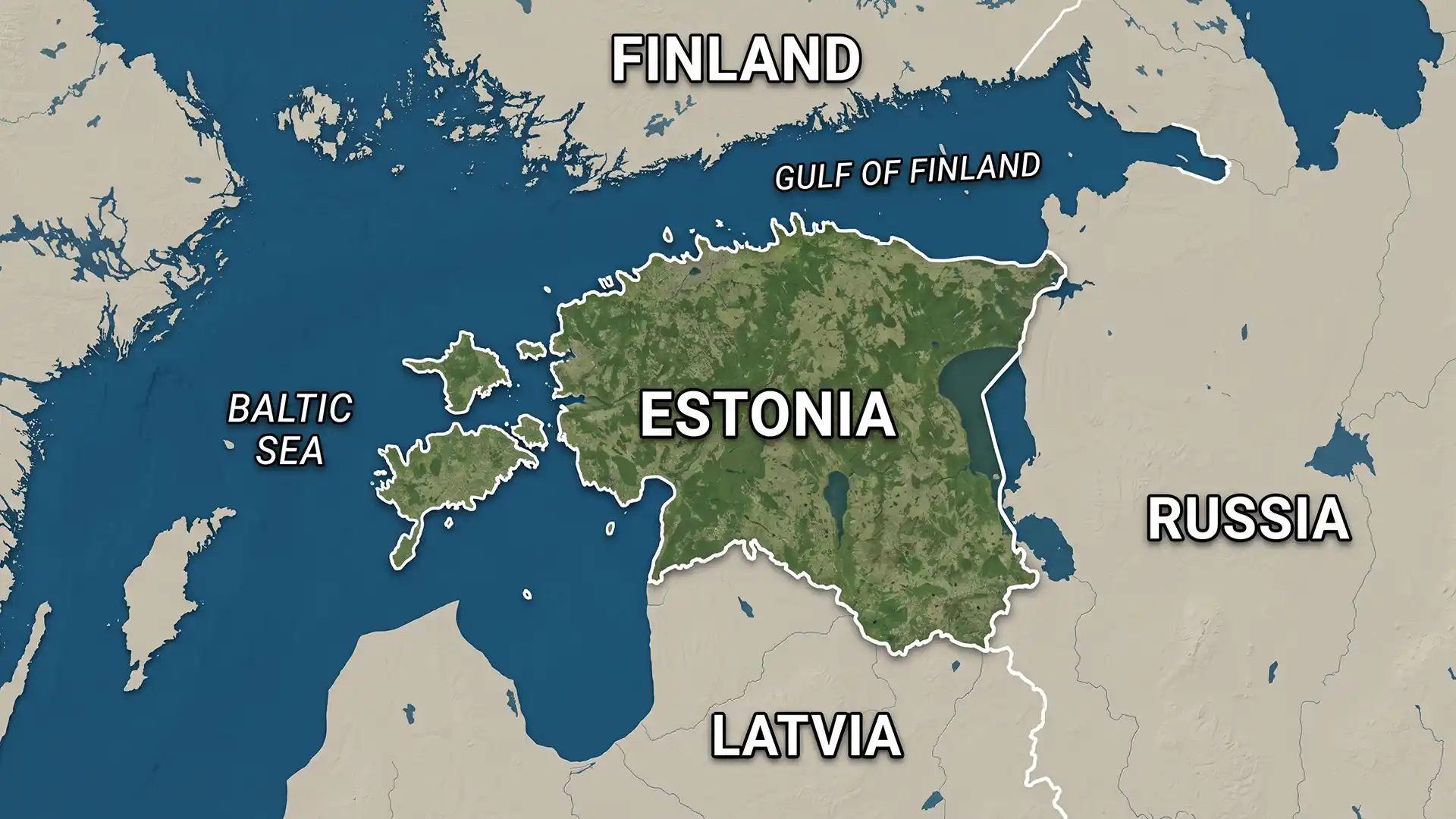
Estonia is a small Northern European country on the Baltic Sea. It regained independence from the Soviet Union in 1991 and joined the European Union in 2004. Known for its digital government services and start‑up culture, Estonia operates an e‑residency programme and has pioneered online voting. India recognised Estonia in 1991, and diplomatic relations have grown steadily. Two thousand Indians work in Estonia’s technology sector. The countries co‑operate on cyber security and digital public infrastructure.
Key areas of cooperation
- Trade growth: Bilateral merchandise trade totalled around €139 million in 2025 and rose by over 150 percent compared with the previous year. India exports machines, vehicles and chemicals to Estonia and imports electrical equipment and optical instruments.
- Gateway to Europe: Estonian officials invite Indian firms to use Estonia as a base for entering the European market. They argue that the small country offers quick digital business services and lower administrative costs.
- Digital public infrastructure: Estonia is known for its digital identity and e‑governance platforms. India’s digital public goods such as Aadhaar, UPI and the India Stack have been shared with other nations. Both sides aim to learn from each other and promote open‑source solutions.
- Defence and security: Estonia has proposed co‑development and co‑production of defence equipment. Its defence budget exceeds five percent of GDP due to the Russian invasion of Ukraine. Estonia seeks Indian expertise in air defence systems, artillery and ammunition while insisting that production happen locally.
- Artificial intelligence and rare‑earths: The foreign minister highlighted opportunities in AI research and manufacturing of rare‑earth magnets used in electric vehicles and wind turbines. Estonia hopes that an India‑EU free trade agreement, if concluded, will boost investment.
Conclusion
Estonia and India are natural partners in digital innovation and emerging technologies. As Estonia offers a springboard into the European single market, Indian companies may find opportunities in software, green energy and defence manufacturing. A balanced trade agreement could unlock further potential for businesses and start‑ups from both countries.