

Why in news?
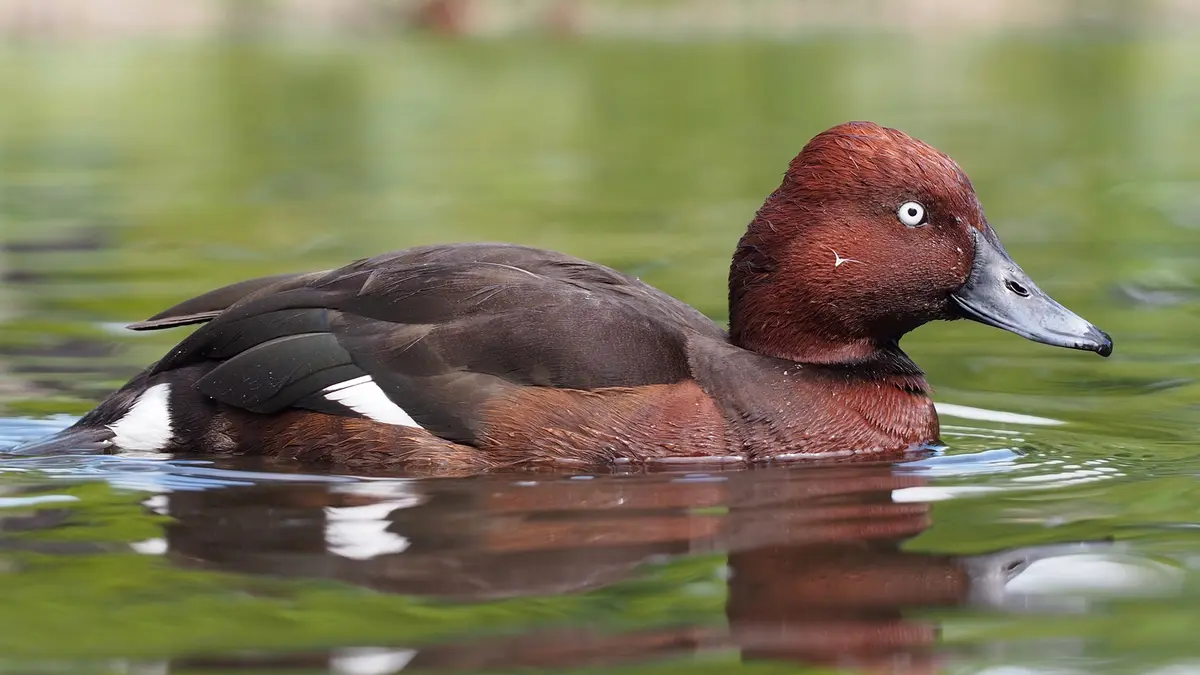
Birdwatchers in Chennai spotted a lone Ferruginous Pochard on Amoor Lake among a flock of common pochards. Such sightings are rare in South India and highlight the importance of urban wetlands for migratory birds.
Background
The Ferruginous Pochard (Aythya nyroca), also called ferruginous duck or white‑eyed pochard, is a medium‑sized diving duck native to Europe, Asia and parts of Africa. It prefers shallow freshwater bodies with dense submerged vegetation and floating plants. These ducks dive to feed on aquatic plants, molluscs, insects and small fish.
Distribution and habitat
- Range: Breeding populations occur across southern and eastern Europe, Russia and Central Asia. The species winters around the Mediterranean, Black Sea and into sub‑Saharan Africa via the Nile valley.
- Preferred habitat: Quiet lakes, marshes and reservoirs with abundant aquatic vegetation and reedy margins. In India the species is uncommon and usually found in northern wetlands during winter.
- Diet: Aquatic plants make up the bulk of the diet, supplemented by molluscs, aquatic insects and small fish.
Conservation status
- The Ferruginous Pochard is listed as “Near Threatened” on the IUCN Red List.
- Major threats include wetland drainage, pollution, hunting and disturbance during breeding. Habitat loss along migration routes also contributes to declines.
Significance of the Chennai sighting
- Observations outside the species’ usual range indicate the importance of urban and suburban wetlands in providing refuge for migratory waterbirds.
- Protecting lakes like Amoor helps maintain biodiversity within cities and offers opportunities for citizen science and environmental education.
Conclusion
The unexpected presence of a Ferruginous Pochard in Chennai underscores the need to conserve wetlands even in densely populated regions. Ensuring clean water, controlling disturbance and restoring shoreline vegetation will encourage more such sightings.
Source: The Hindu