
Why in news?
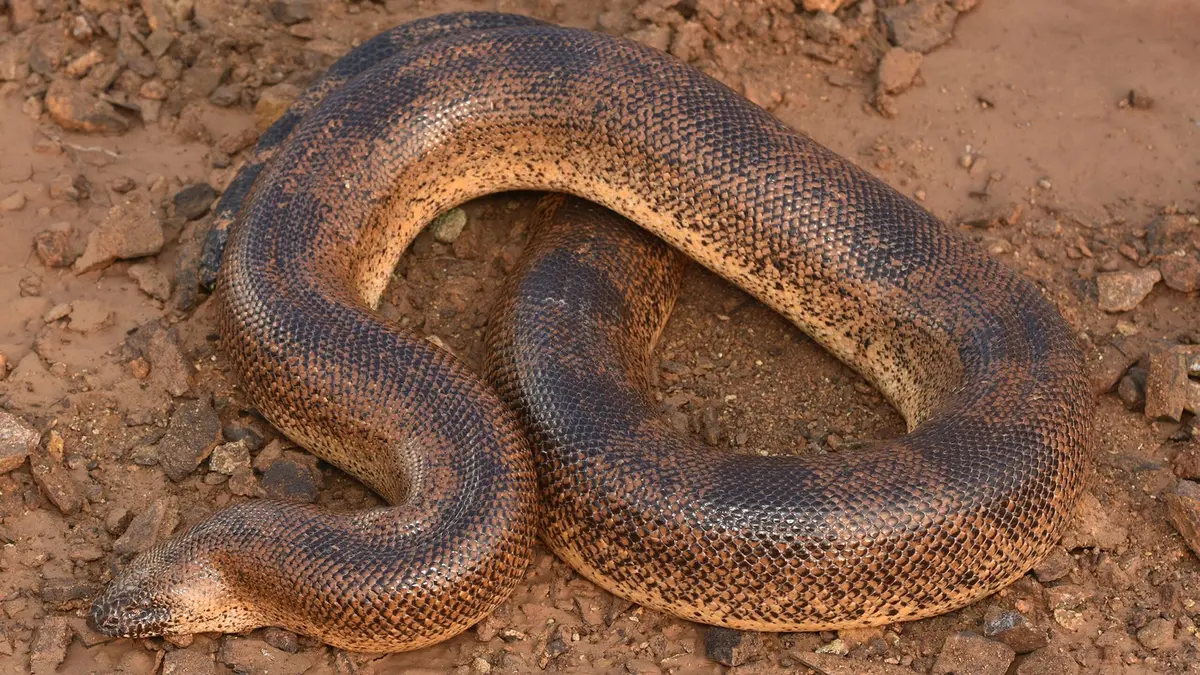
Herpetologists recently reported the first confirmed sighting of the Sistan sand boa (Eryx sistanensis) in the northern Thar Desert of Rajasthan. The species was earlier known only from Iran and Pakistan. The new record suggests the snake might also occur in Haryana and Punjab, attracting interest from conservationists.
Background
The Sistan sand boa is a small, burrowing snake discovered in Iran in 2020. It belongs to the genus Eryx, which also includes the common sand boa found in India. The species was considered endemic to Iran and Pakistan until researchers from the Rajasthan Forest Department and local NGOs found three live individuals during sand‑dune surveys in the Thar Desert. These findings were published in a scientific journal, making it the first official record from India.
Key features
- Morphology: The boa is small with a slender tail and has fewer dorsal scale rows than the common sand boa. Its head is not distinct from the body, helping it move through sand.
- Habitat: It prefers arid, sandy regions with sparse vegetation. These habitats allow the snake to burrow and ambush prey such as small rodents and lizards.
- Distribution: Previously known from Iran and Pakistan, the species is now recorded in India. It may occur in other north‑western states with similar dry landscapes.
Significance
- Biodiversity record: The discovery adds a new species to India’s reptile fauna and highlights the importance of surveying arid ecosystems that are often overlooked.
- Conservation insight: Finding the species in India indicates that conservation measures should include desert habitats, which face threats from sand mining and unregulated development.
- Scientific value: Comparative studies with the common sand boa could reveal how species adapt to different environments and evolve distinct traits.
Conclusion
The first Indian record of the Sistan sand boa underscores that deserts harbor unique wildlife. Protecting these fragile landscapes will help scientists discover more species and understand their ecological roles. Community awareness and collaborative research are essential for their conservation.