

Why in news?
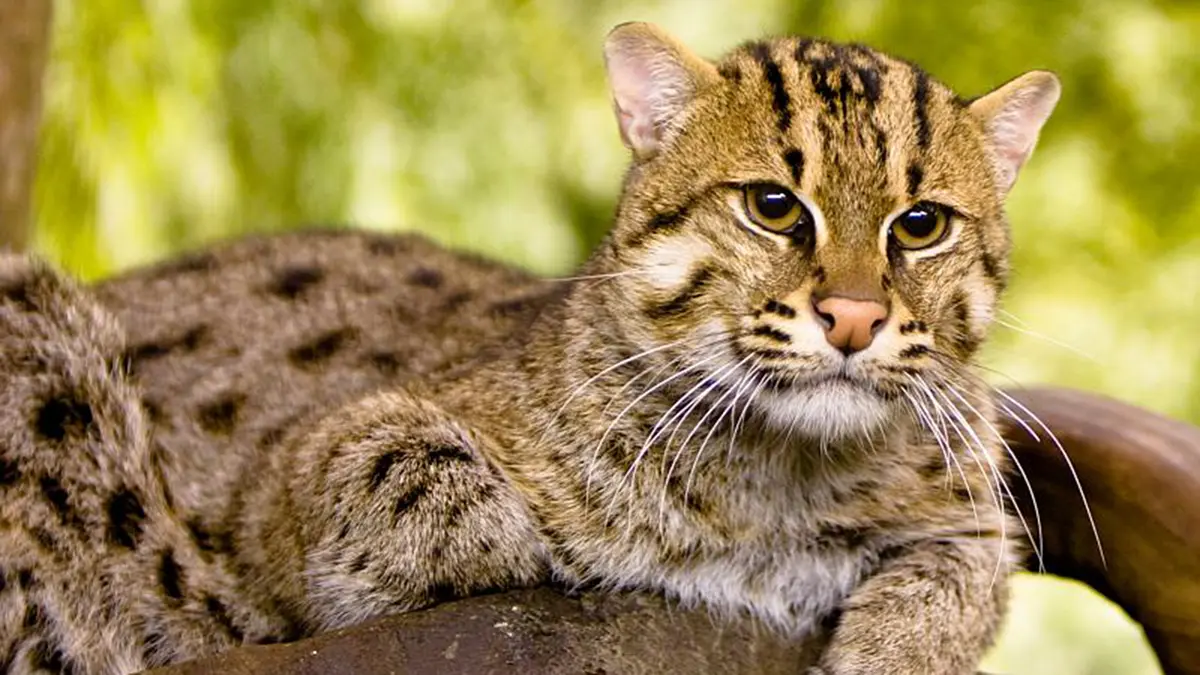
A camera‑trap study released on 22 February 2026 found that Kaziranga National Park in Assam is a stronghold for the endangered fishing cat. Researchers identified 57 unique individuals across more than 450 square kilometres, indicating a healthy population.
Background
The fishing cat (Prionailurus viverrinus) is a medium‑sized wild cat adapted to wetland habitats. It has partially webbed feet, a dense water‑repellent coat and a short tail that helps it balance on muddy banks while hunting. The cat preys on fish, frogs and crustaceans. Listed as Vulnerable on the IUCN Red List, the species faces threats from habitat loss, wetland drainage and hunting for its pelts. The study, conducted by the Kaziranga Tiger Cell and researchers led by scientist Tiasa Adhya, analysed camera‑trap images collected during the All India Tiger Estimation.
Key findings
- High density in Kaziranga: The identification of 57 individual fishing cats across a wide area suggests that Kaziranga is one of the species’ last strongholds in India.
- Sentinel species: Fishing cats are indicators of healthy freshwater ecosystems. Their presence reflects intact marshes, swamps and floodplains that also support birds, fish and other wildlife.
- Monitoring method: The study used photographic identification — matching unique pelage patterns and facial markings — to estimate population size. Such non‑invasive methods help monitor elusive species without trapping them.
- Conservation implications: The findings will inform conservation planning, including zoning of habitats, controlling invasive plants and reducing conflict with local communities who depend on wetlands for livelihoods.
Conclusion
Kaziranga’s wetlands not only sustain rhinoceroses and tigers but also offer refuge to lesser‑known species like the fishing cat. Protecting these wetlands through ecological management and community engagement is essential for preserving biodiversity.
Source: The Hindu