
Why in news?
On 4 July 2026 the Central Bureau of Investigation (CBI) arrested the last remaining accused in a 2002 idol theft case. The arrest relates to the theft of a headless stone Buddha statue from Garhwa Fort near Prayagraj in Uttar Pradesh. During the robbery the watchman was killed, making the case a double crime. The latest arrest brings closure to a long‑pending investigation.
Background
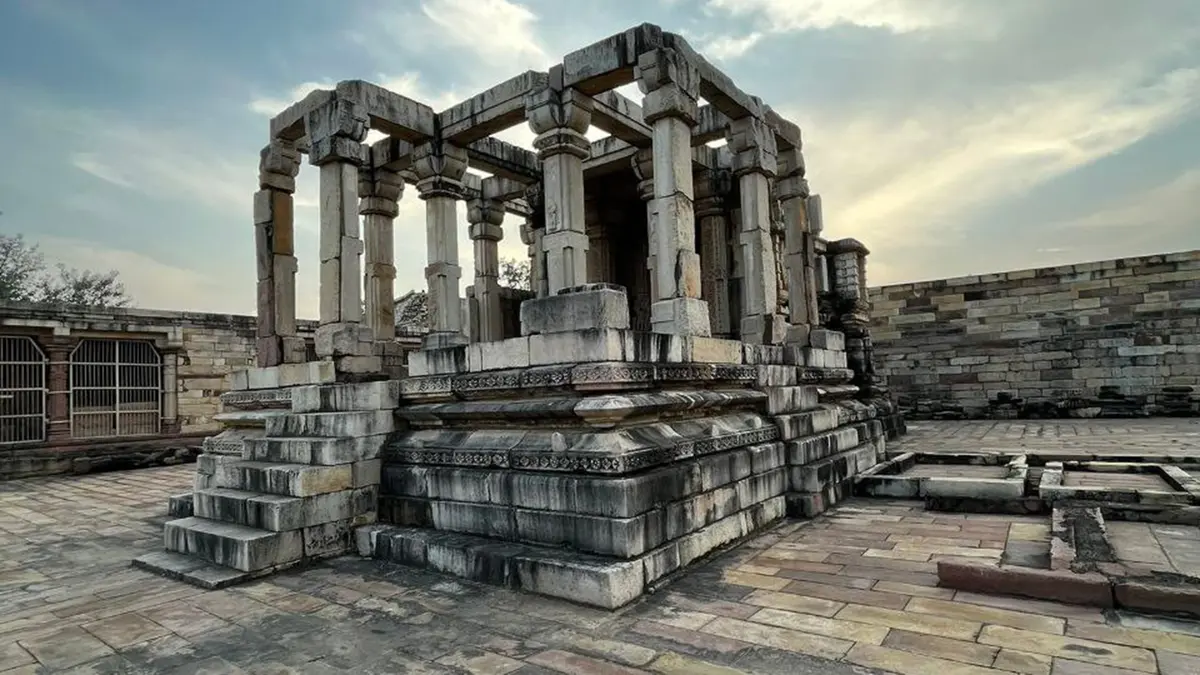
Garhwa Fort is an ancient temple complex located about 40 kilometres from Prayagraj. Originally built during the Gupta period (5th–6th century CE), it features a panchakona or five‑cornered ground plan with a central sanctum and mandapas. Sculptures depicting the ten incarnations of Vishnu adorn the temple walls, and several stepwells within the fort provided water to visitors. In the 18th century King Vikramaditya of the nearby region fortified the complex, giving it the name “Garhwa Fort.” Many valuable artifacts from the site are preserved in museums today.
The 2002 incident
- Break‑in: On the night of 21–22 April 2002 a gang entered the fort, killed the watchman Vinod Srivastava and stole a priceless headless Buddha idol.
- Investigation: The CBI took over the case and over the years arrested several suspects, recovering some artifacts. The July 2026 arrest of Ramnarayan alias Hyder completes the list of accused.
- Heritage importance: Garhwa Fort is both a Hindu and Buddhist heritage site. The theft underscored the vulnerability of India’s archaeological treasures and prompted authorities to improve protection.
- Ongoing conservation: Archaeologists have called for better documentation and preservation of the remaining sculptures and structures at the site.
Conclusion
The resolution of the Garhwa Fort case reminds us of the need to protect cultural heritage. By arresting the last accused, the CBI signals a commitment to safeguarding ancient sites. It also brings closure to the family of the slain watchman and highlights the fort’s historical value.