

Why in news?
Scientists exploring waters off Greenland announced the discovery of an unusual cold seep nicknamed “Freya”. Located more than 3.5 kilometres below the sea surface, the site contains mounds of gas hydrates — ice‑like crystals of methane trapped within water. The seep releases methane and other hydrocarbons, supports unique deep‑sea life, and highlights the enormous volumes of methane locked beneath ocean sediments. The find has renewed interest in gas hydrates as both a potential energy resource and a climate concern.
Background
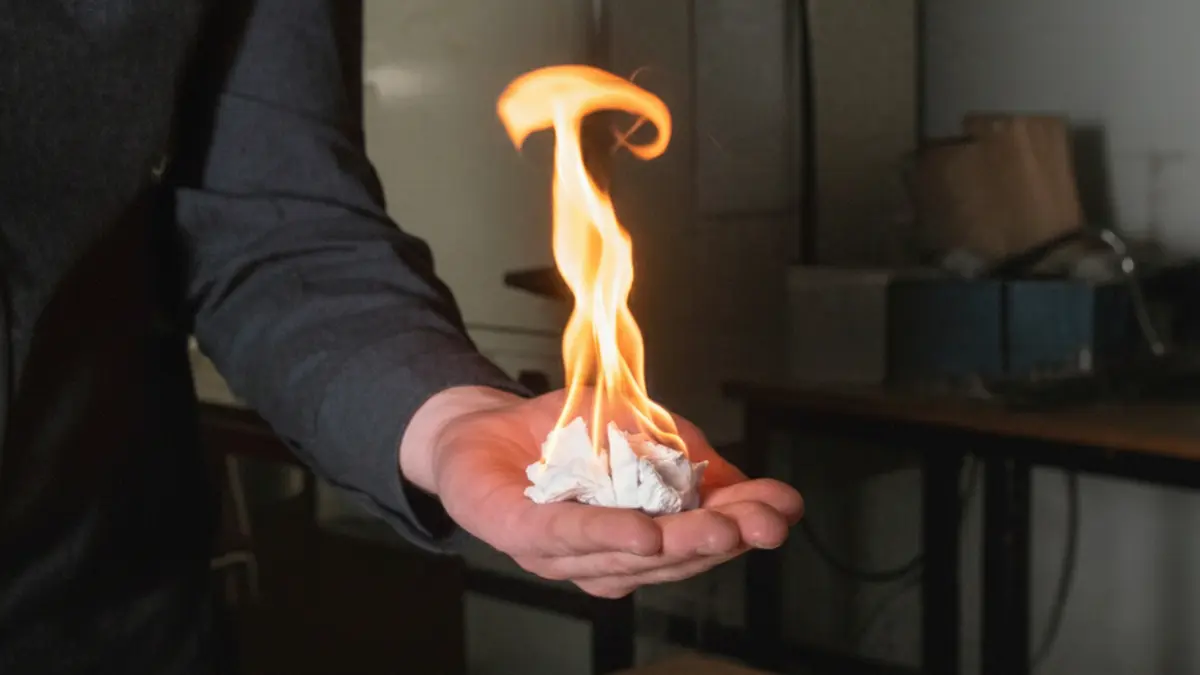
Gas hydrates, also called clathrate hydrates, are solid crystalline substances in which water molecules form cages around gas molecules, typically methane. They occur naturally under conditions of high pressure and low temperature, such as in permafrost regions and deep ocean sediments. When warmed or depressurised, a cubic metre of gas hydrate can release over a hundred cubic metres of natural gas. Vast deposits exist worldwide; estimates suggest hundreds of thousands of trillion cubic feet of gas are locked in these structures.
Types and formation
- Structure I and II: Gas hydrates crystallise in two common cubic forms. Structure I hydrates contain smaller cages made of 46 water molecules that can host gases like methane and ethane. Structure II hydrates have larger 17.3‑angstrom unit cells with 136 water molecules and can accommodate slightly larger gases such as propane.
- Structure H: A rarer hexagonal form requires a mixture of large and small guest molecules. Its unit cell contains 34 water molecules arranged in three types of cavities, including one large cavity that can host bigger hydrocarbon molecules.
- Conditions for stability: Hydrates form where temperatures are low and pressures high — conditions found in polar permafrost and ocean sediments beyond about 500 metres depth. Dissolved methane from decaying organic matter or deeper hydrocarbon sources becomes trapped in the water cages.
Energy potential and environmental concerns
- Abundant resource: Because methane hydrates contain enormous amounts of gas per unit volume, they are seen as a potential future source of natural gas. A cubic metre of hydrate can release roughly 164 cubic metres of methane when dissociated.
- Production challenges: Safely extracting gas from hydrates is difficult. Engineers must depressurise or heat sediments without destabilising the surrounding seabed or releasing uncontrolled methane.
- Climate risk: Methane is a potent greenhouse gas. Disturbance of hydrates by natural processes or human activity could trigger methane release, amplifying climate warming. Conversely, hydrates could trap carbon for millennia if left undisturbed.
Conclusion
The Freya cold seep highlights how little we know about deep‑sea gas hydrates. With growing energy demand and climate pressures, understanding hydrate formation, stability and potential exploitation is becoming increasingly important. Any future exploitation must balance energy benefits with safeguards to prevent large‑scale methane release.
Source: Centre for Gas Hydrate Research