

Why in news?
On 20 February 2026 the Australian government confirmed that Gentoo penguins on the remote sub‑Antarctic Heard Island have tested positive for the highly pathogenic H5N1 avian influenza virus. This marks the first recorded bird infections on an Australian territory. Earlier, southern elephant seals and Antarctic fur seals on the island were also found carrying the virus, though no mass die‑offs have been observed.
Background
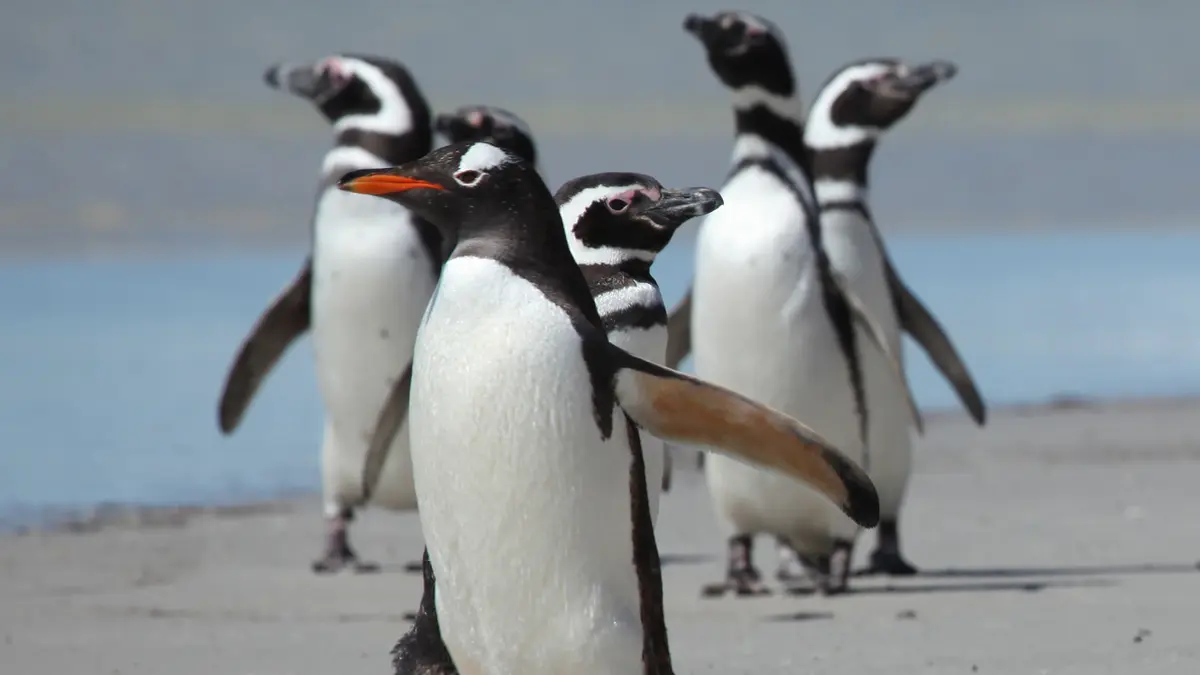
The Gentoo penguin (Pygoscelis papua) is a medium‑sized penguin species closely related to the Adélie and chinstrap penguins. It breeds in colonies along the coasts of the Antarctic Peninsula, the Falkland Islands and several sub‑Antarctic islands. Gentoo penguins are diurnal, social birds and are considered the fastest underwater swimmers among penguins. They feed mainly on fish and krill and are currently listed as Least Concern by the IUCN.
About the H5N1 outbreak
- Virus detection: Samples collected on 3 February 2026 were tested at the Commonwealth Scientific and Industrial Research Organisation’s Australian Centre for Disease Preparedness. The virus was confirmed to be the H5N1 clade 2.3.4.4b, which has caused widespread bird die‑offs globally.
- Other species affected: Southern elephant seals and Antarctic fur seals on Heard Island were previously found to be infected. The current detection in Gentoo penguins shows that birds are also susceptible in this region.
- No mass mortality: Scientists aboard the research vessel RSV Nuyina observed no signs of large‑scale deaths among seabirds or marine mammals on the island.
- Biosecurity response: The Australian government emphasised that national bird‑flu status remains unchanged but highlighted the need for continued vigilance, surveillance and preparedness. More than A$100 million has been earmarked to strengthen biosecurity and rapid response capabilities.
About Gentoo penguins
- Distribution: They inhabit coastlines of the Antarctic Peninsula, South Georgia, the Falkland Islands and other sub‑Antarctic islands.
- Habitat: Gentoo penguins build nests close to shorelines, allowing quick access to the sea for feeding.
- Characteristics: Recognisable by their white head stripe and bright orange beak, they are the fastest swimming penguins, reaching speeds of up to 36 km/h under water.
- Breeding: They breed in colonies, laying two eggs in nests made of stones, and parents take turns incubating and caring for chicks.
- Conservation status: The species is listed as Least Concern, but local populations can be vulnerable to environmental changes, overfishing of prey and now emerging diseases like avian influenza.
Source: Down To Earth