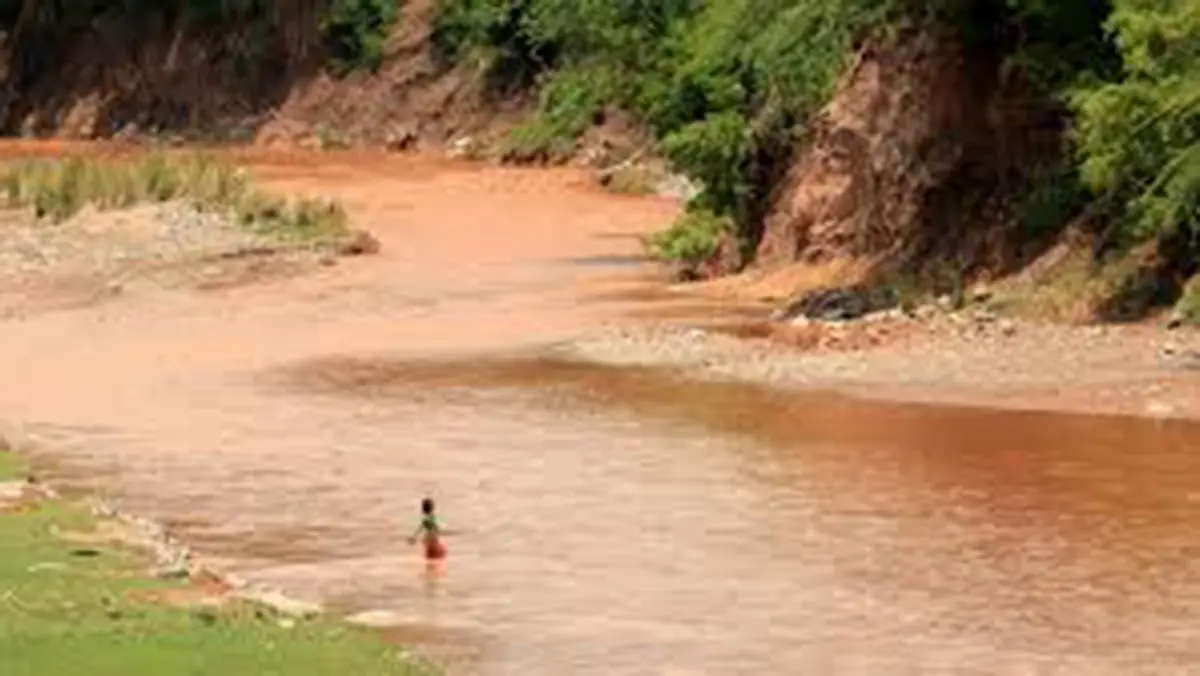
Why in news?
A committee of the Punjab Vidhan Sabha has advised the state government to oppose Haryana’s plans to build new dams on the Ghaggar River. The committee also recommended stronger measures to treat sewage, curb industrial pollution and build embankments to prevent flooding. The recommendations underscore long‑standing disputes over water sharing and river management between the neighbouring states.
Background
The Ghaggar is an intermittent river that flows mainly during the monsoon. It originates in the Shivalik hills of Himachal Pradesh, passes through Haryana (including Pinjore, Ambala and Hissar) and vanishes in the Thar Desert of Rajasthan. Downstream in Pakistan it continues as the Hakra. Many archaeologists identify the Ghaggar–Hakra with the Vedic Saraswati River mentioned in ancient texts, and numerous Indus Valley sites have been found along its dry bed. Today the river feeds two irrigation canals and its flow depends on rainfall and water diverted from canals.
Committee recommendations
- Oppose new dams: The committee noted that Haryana has already built the Kaushalya Dam and several reservoirs on the Ghaggar. It urged Punjab to object to further construction at the next meeting of the Ghaggar Standing Committee.
- Sewage treatment: Untreated municipal and industrial effluents from Chandigarh and Haryana pollute the river. Punjab has been asked to ensure timely completion of sewage treatment plants and to send water samples regularly to monitor compliance.
- Industrial pollution: Factories discharging waste into the river should be investigated and penalised. Strict enforcement of environmental norms is needed to curb contamination.
- Flood control: To prevent breaches during heavy rains, the committee recommended constructing earthen embankments (“dhussis”) and reinforcing banks with stones and wire mesh. Farmers should receive treated water from sewage plants for irrigation.
- Survey and demarcation: Authorities should survey and demarcate the river’s old course and identify vulnerable points where leaks from irrigation pipes could cause flooding.
Historical and geographical significance
- Sacred identity: The Ghaggar‑Hakra is often equated with the legendary Saraswati River of the Rig Veda. Many Indus Valley civilisation sites, including Kalibangan and Banawali, lie along its palaeochannels.
- Seasonal nature: Unlike perennial Himalayan rivers, the Ghaggar flows only during the monsoon and quickly dries up. Its discharge has decreased over millennia as tributaries such as the Sutlej and Yamuna shifted course towards the Indus and Ganga basins.
- Irrigation role: Despite its seasonal flow the river feeds two canals that irrigate parts of Haryana and Rajasthan. The proposed dams could alter water availability and exacerbate inter‑state disputes.
Source: The Hindu