

Why in news?
India and the United States have reached an interim trade agreement that will increase the supply of Graphics Processing Units (GPUs) and other advanced technology products to India. The move follows earlier export restrictions imposed by the US on high‑end chips amid concerns about artificial‑intelligence competition.
Background
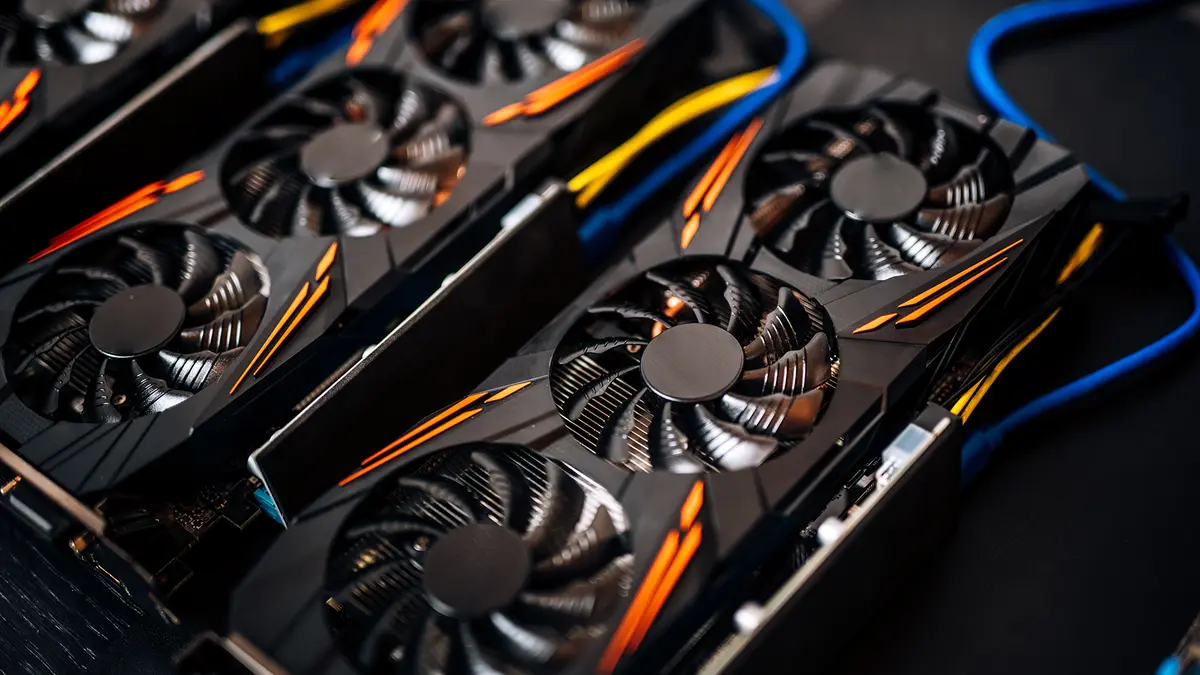
A GPU is a specialised processor designed to handle many calculations in parallel. While originally created to render images and video, GPUs are now essential for machine learning, scientific computing and cryptocurrency mining because they can process vast amounts of data simultaneously. There are two main types of GPU: integrated GPUs, which share the same chip as the central processing unit and are used in laptops and phones; and discrete GPUs, which are separate cards installed in desktops and servers for higher performance.
Key points of the agreement
- Increased imports: The US has agreed to relax export controls on certain GPUs and related technologies destined for India. This will help Indian companies and researchers access powerful hardware for artificial‑intelligence projects, weather modelling, pharmaceutical research and high‑performance computing.
- Domestic initiatives: India, which currently lacks large‑scale GPU manufacturing, is offering tax incentives for data centres until 2047 and is expected to launch an AI Mission that subsidises the acquisition of GPUs for start‑ups and academic institutions.
- Security considerations: The US had earlier restricted exports of cutting‑edge chips to prevent misuse in military applications. The new framework includes safeguards and end‑use monitoring to ensure that supplied hardware is used for civilian purposes.
- Skill development: Alongside hardware imports, the agreement envisages training programmes and research collaborations to build expertise in chip design, software optimisation and AI ethics.
Why GPUs matter
- Parallel processing: Unlike general‑purpose CPUs, GPUs can execute thousands of operations at once, making them ideal for neural networks and big‑data analytics.
- Broader applications: Beyond graphics and gaming, GPUs accelerate tasks such as DNA sequencing, climate simulations and autonomous‑vehicle training.
- Global competition: Countries and companies with access to advanced GPUs can develop AI tools faster, giving them an edge in innovation and economic growth.
Conclusion
The India–US agreement signals a deepening technology partnership. By ensuring a reliable supply of GPUs and investing in domestic capacity, India hopes to catch up in the global race for artificial intelligence while fostering responsible use of emerging technologies.
Source: The Indian Express