
Why in news?
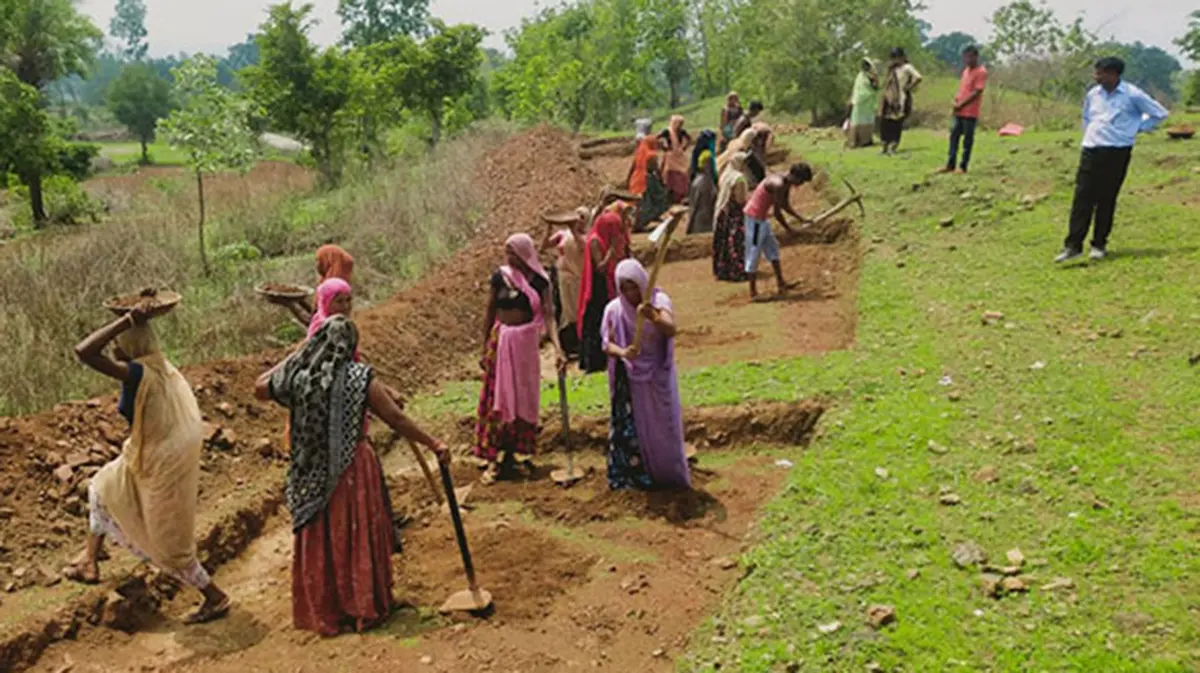
In May 2026 villagers in Borpada, Jhabua district of Madhya Pradesh, revived the Halma tradition to clean and restore a public well. The community mobilised without pay, demonstrating how indigenous practices continue to address local challenges.
Background
Halma is an age‑old custom of the Bhil tribal community in western Madhya Pradesh. In the local language, halma means “to work together without wages or contracts.” Historically, Bhil villages were far from markets and state support. When a family needed help—building a house, repairing embankments or restoring a tank—it called upon neighbours. People brought their own tools, food and labour. There was no formal leader or payment; participation was governed by a sense of mutual obligation. Those who helped could expect assistance in return when they faced a similar need.
Key aspects of the tradition
- Voluntary labour: Participation is entirely voluntary. Community members join out of solidarity and trust that their effort will be reciprocated when required.
- Collective decision‑making: There is no formal hierarchy. Tasks are discussed collectively, and groups divide work according to ability.
- Scope of work: Typical tasks include house construction, repairing farm embankments, restoring wells and ponds, building contour trenches, planting trees and organising cultural events.
- Revival for sustainability: In recent years Halma has been rejuvenated to address environmental challenges. Villagers have used it to desilt ponds, construct check dams, plant saplings on barren hills and conserve soil and water.
Significance
- Social cohesion: Halma strengthens bonds within the community by fostering a culture of reciprocity and collective responsibility.
- Resilience: By pooling labour, communities reduce their dependence on external help and adapt to natural or economic shocks.
- Environmental benefits: Collective efforts to restore water bodies and plant trees improve local water availability and biodiversity.
Conclusion
The revival of Halma demonstrates how indigenous traditions can address modern challenges. At a time when climate change threatens rural livelihoods, the Bhils’ spirit of cooperation offers a model for community‑led resilience. Recognising and supporting such grassroots initiatives can complement formal development programmes.