
Why in news?
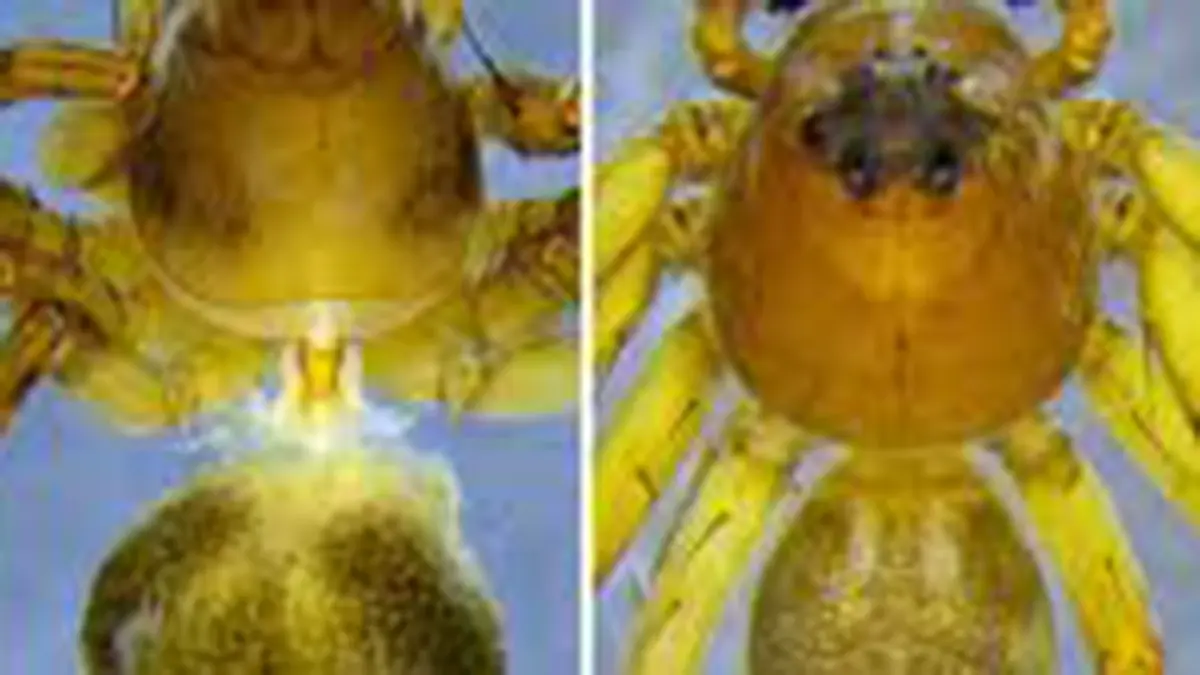
Scientists recently described a new species of lynx spider named Hamataliwa mawlyngot. The species was discovered on a shrub near Mawlyngot village in Meghalaya’s East Khasi Hills and published in the journal National Academy Science Letters.
Background
Lynx spiders belong to the family Oxyopidae. Unlike orb‑weavers they do not spin webs. They rely on keen eyesight and swift movements to stalk and capture insects among leaves and branches. Their agile hunting style makes them valuable natural pest controllers. The genus Hamataliwa includes species found in Southeast Asia and southern India, but northeastern India remained unexplored until now.
Discovery and significance
- Fieldwork: Researchers from the Zoological Survey of India and the University of Calcutta conducted surveys in the Indo‑Burma biodiversity hotspot. They collected male and female specimens living on bramble bushes near Mawlyngot village.
- Naming: The new species is named after Mawlyngot, the community where it was found. It marks the first record of the genus Hamataliwa in Meghalaya and bridges a distribution gap between the Indian subcontinent and Southeast Asia.
- Ecological role: Lynx spiders prey on a wide range of insects and therefore contribute to biological pest control in forests and plantations. Their discovery highlights the need to conserve shrub habitats in the East Khasi Hills.
Conclusion
The discovery of Hamataliwa mawlyngot underscores the rich biodiversity of Meghalaya’s hill forests. Continued surveys and habitat protection are essential to document and preserve the region’s many undiscovered species.