

Why in news?
A recent investigation highlighted continuing chromium contamination across parts of Kanpur Nagar, Kanpur Dehat and Fatehpur. Old industrial-waste dumps have released hexavalent chromium into groundwater used by nearby communities. The National Green Tribunal has examined affected sites and safe-water measures. The problem spans several settlements rather than one isolated well. It requires immediate exposure control and long-term removal or containment of the pollution source.
What chromium is
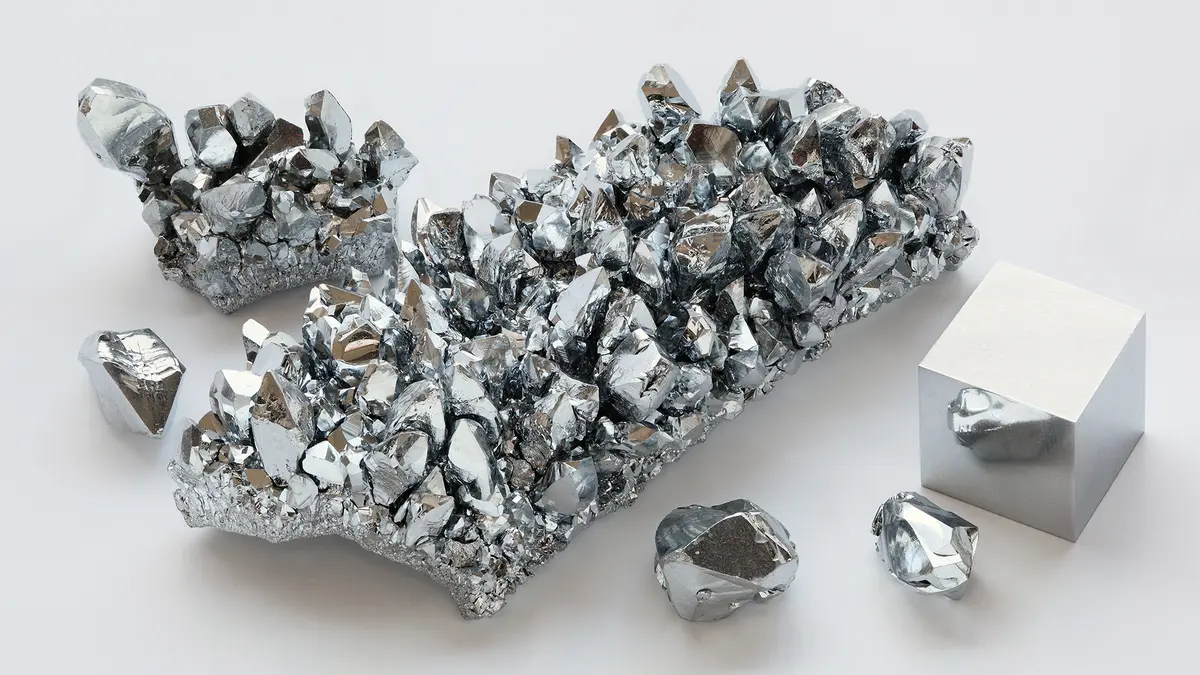
Chromium is a naturally occurring metallic element. Industry uses chromium compounds in leather processing, pigments, metal finishing and other manufacturing. Its effects depend strongly on chemical form. The two most discussed forms are trivalent chromium and hexavalent chromium, written as chromium(III) and chromium(VI).
Chromium(III) is generally less mobile and less toxic than chromium(VI). Chromium(VI) dissolves more readily and can move through water. Environmental conditions can also change one form into another. A safety assessment must therefore measure chemical form, concentration and exposure route.
Where the contamination occurs
The affected belt lies in central Uttar Pradesh. Kanpur Nagar contains the large industrial city of Kanpur. Kanpur Dehat lies beside its urban neighbour and includes Rania’s industrial area. Fatehpur extends farther along the Ganga–Yamuna plain. Several villages and urban neighbourhoods depend on local groundwater.
The National Green Tribunal identified sites around Rania, Rakhi Mandi and parts of Fatehpur. Named localities include Khanchandpur, Gharampur and Gaudhrauli. A Central Pollution Control Board inventory recorded large chromium-waste deposits at Rakhi Mandi and Khanchandpur. Exact present quantities require updated field measurement.
Why the alluvial setting matters
The region sits on deep alluvial deposits laid by river systems. Sand, silt and clay layers store groundwater in connected aquifers. Many households use handpumps or borewells. Polluted liquid can move through permeable layers and reach water points away from the original dump.
Rainfall can carry dissolved chromium from uncovered waste into the ground. Seasonal water-level changes may spread the plume. Clay layers can slow movement but do not guarantee protection. Mapping needs wells at several depths and directions. One clean sample cannot declare a whole settlement safe.
How industrial waste created a lasting problem
Chromium-bearing waste was deposited over years without adequate isolation. Some material came from industries producing or using chromium compounds. Exposed dumps allow rain and surface water to create contaminated leachate. Once pollution enters an aquifer, cleanup becomes difficult and expensive.
Earlier government studies found very high chromium values in some Rania-area handpumps. Their dates and locations must accompany any comparison with current results. Old contamination can persist after a factory closes. Responsibility therefore includes historic operators, landowners and public agencies enforcing waste rules.
Health concerns
Chromium(VI) can irritate skin and damage organs at harmful exposure levels. Some chromium(VI) compounds are established human carcinogens, especially through occupational inhalation. Drinking-water risk depends on dose, duration and chemical conditions. Cancer evidence from inhalation should not be copied directly into an unsupported ingestion claim.
The World Health Organization uses a provisional guideline of 0.05 milligrams per litre for total chromium in drinking water. India’s drinking-water standard sets 0.05 milligrams per litre for chromium(VI). Testing should use accredited methods and clear detection limits. Results must reach residents in understandable language.
Immediate protection for communities
Residents need a reliable safe-water supply before final remediation ends. Tankers can provide short emergency support. Piped water from a tested source is more dependable. Community treatment units require maintenance, electricity and verified performance. Authorities should mark unsafe handpumps clearly and prevent accidental reuse.
Reverse osmosis and nanofiltration can reduce chromium under controlled conditions. They create a concentrated waste stream that needs hazardous handling. Poorly maintained units can fail silently. Regular inlet and outlet testing is essential. Safe water cannot depend only on equipment installation photographs.
Stopping and cleaning the source
Authorities must cover, isolate or remove exposed waste before more leachate forms. Removal needs secure transport to an authorised treatment or disposal site. Workers require protective equipment and dust control. Careless excavation can spread contamination further. Site plans should reflect groundwater flow and monsoon conditions.
Long-term options may include pump-and-treat systems or reactive treatment barriers. The suitable method depends on depth, chemistry and plume movement. Monitoring wells should surround the source and nearby habitations. Public dashboards can show trends without exposing personal medical data. Independent laboratories can verify official results.
Accountability and public-health follow-up
The polluter-pays principle supports recovery of environmental costs from responsible parties. However, disputes over liability should not delay drinking water. Regulators need a time-bound plan with named agencies and budgets. The National Green Tribunal can review compliance, but local execution remains decisive.
Health teams should record exposure history and symptoms without creating panic. Medical surveillance must use evidence-based protocols. Residents need access to results and referrals. Children, pregnant women and workers handling waste may need focused attention. Researchers should avoid promising that one test can predict every future illness.
Safe water first, source control next
Providing alternate water ends immediate exposure only when supply is dependable. It does not clean the aquifer. Authorities must also isolate the waste, map the plume and monitor wells over many years.
Conclusion
The chromium problem is a long environmental failure with present human consequences. Central Uttar Pradesh’s connected alluvial aquifers make partial action especially risky. Every affected community needs tested water and transparent results. Waste removal, plume control and polluter accountability must proceed together. Success should mean consistently safe household water, not merely closed files or installed treatment units.