

Why in news?
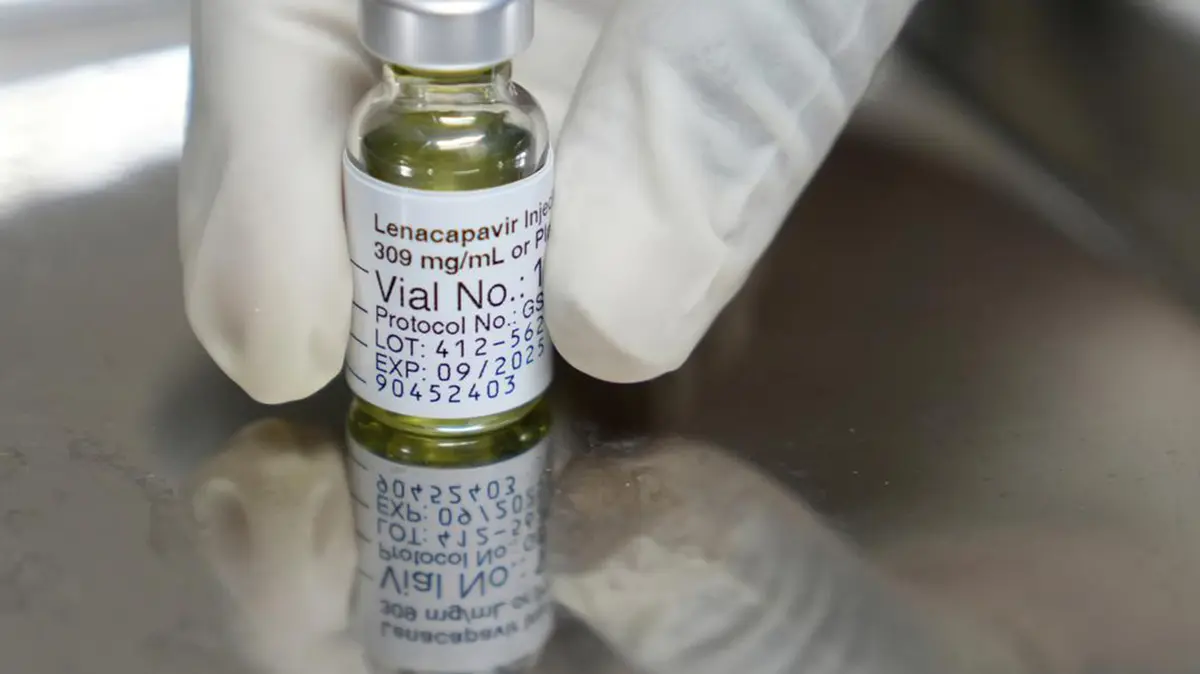
A recent scientific study has shown that HIV must damage its own capsid – the protein shell encasing its genetic material – in order to develop resistance to the new drug lenacapavir. The finding underscores how crucial the capsid is to the virus’s life cycle and reaffirms it as a promising target for future antivirals.
Background
HIV (Human Immunodeficiency Virus) attacks the body’s immune system, specifically CD4 T cells. Over time it can lead to Acquired Immune Deficiency Syndrome (AIDS). The virus has a protective protein coat called the capsid, which safeguards its genetic material (RNA) until it reaches the host cell’s nucleus.
For decades, HIV treatment relied on antiretroviral drugs that block enzymes like reverse transcriptase, protease and integrase. In 2025, the United States approved lenacapavir, the first long‑acting injection targeting the capsid itself. Patients can take the drug every six months, making treatment more manageable.
What the new study found
- When HIV is exposed to lenacapavir alone, some viral strains mutate to become resistant. These mutations cause small cracks in the capsid, helping the virus evade the drug.
- However, these mutations also weaken the virus. Viruses with damaged capsids are less fit and replicate poorly.
- The study reinforces that using lenacapavir in combination therapy – alongside other antiretrovirals – can prevent resistance from developing.
Why the capsid is an important target
- Multi‑function role: The capsid protects viral RNA, transports it into the host nucleus and interacts with host proteins to avoid immune detection.
- Conserved structure: The capsid proteins are less prone to rapid mutation compared with other viral proteins, making them stable targets.
- Versatility: Drugs that disrupt capsid function could work at multiple stages of the viral life cycle.
Implications
- Developing more drugs that target the capsid may open new avenues for HIV treatment and prevention.
- Combining capsid inhibitors like lenacapavir with other antiretrovirals reduces the chance of resistance while maintaining viral suppression.
- The study highlights the importance of continued research into viral proteins beyond the traditional targets.
Conclusion
Understanding how HIV’s capsid works and why it is so crucial allows scientists to design better treatments. While lenacapavir marks a milestone in capsid‑targeting drugs, combining it with existing therapies remains vital for long‑term control of the virus.
Source: The Hindu