
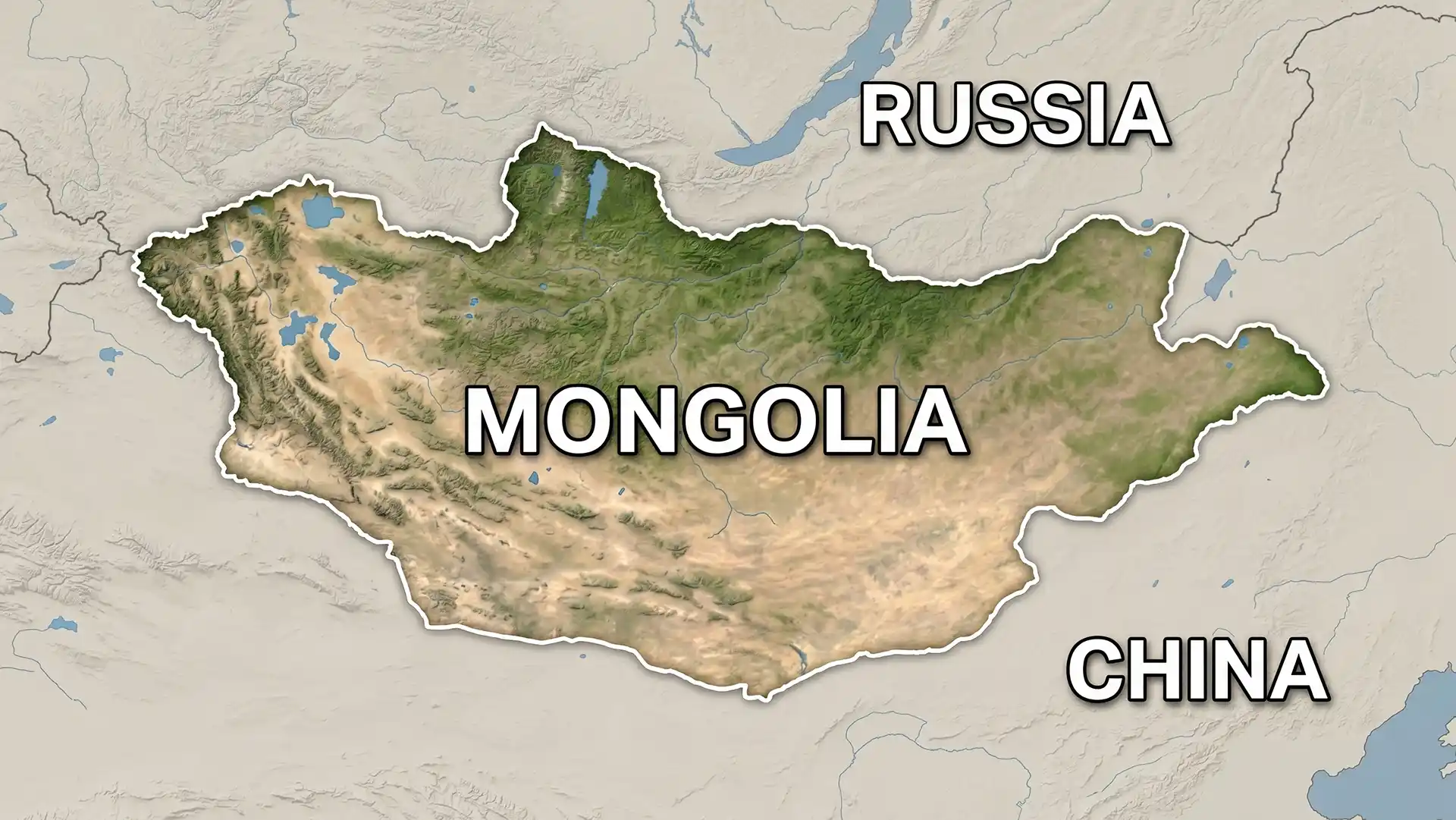
Why in news?
On 31 May 2026 India sent the sacred relics of Arhat Sariputra and Arhat Mahamoggallana from the Sanchi Stupa to Ulaanbaatar. For ten days they were enshrined at the Gandantegchinling Monastery, giving Mongolian devotees a rare chance to pay homage. This was only the second time the relics were taken abroad – the first was in 2024 – and the event celebrated the ancient cultural bond between India and Mongolia.
Background
Sariputra and Mahamoggallana were two of Gautama Buddha’s most revered disciples. Ancient Buddhist texts describe Sariputra as unequalled in wisdom and Mahamoggallana as foremost in miraculous powers. After their passing in the 5th century BCE, their relics were enshrined in stupas across the Indian subcontinent. The Sanchi Stupa near Bhopal, built by Emperor Ashoka in the 3rd century BCE, housed relics rediscovered during British excavations in the 1850s. These relics were preserved in India and occasionally exhibited to the public.
Mongolia adopted Buddhism in the 16th century and looks to India as the faith’s birthplace. During Prime Minister Narendra Modi’s 2015 visit to Mongolia, India promised to send these relics when conditions allowed. The exposition at Gandantegchinling Monastery, Mongolia’s principal monastery, was organised by the Indian government, the Ministry of Culture and the Archaeological Survey of India. An Indian Air Force aircraft transported the relics in special caskets accompanied by monks and officials.
Highlights of the exposition
- Civilisational ties: The display underscored centuries‑old spiritual links between India and Mongolia. Mongolian leaders described the relics as “living messengers” of the Buddha’s teachings.
- Rare pilgrimage: Devotees from across Mongolia queued at the monastery to pay respects. The relics are usually kept at the National Museum in New Delhi and have travelled abroad only twice.
- Artefact display: Alongside the relics, twenty items illustrating the Buddha’s life – such as sculptures and manuscripts – were exhibited. Monks chanted prayers and offered ceremonial lamps during the ten‑day event.
- Strengthening bonds: Leaders from both countries noted that the exhibition celebrated India’s “spiritual neighbourhood” policy. It also coincided with programmes commemorating 70 years of diplomatic relations.
Conclusion
The display of Sariputra and Mahamoggallana’s relics in Mongolia reminded the world of Buddhism’s deep roots in India and its continuing resonance in Central Asia. Beyond religious devotion, such cultural exchanges foster goodwill and mutual respect. As India and Mongolia deepen their partnership, promoting shared heritage can build enduring people‑to‑people connections.