

Why in news?
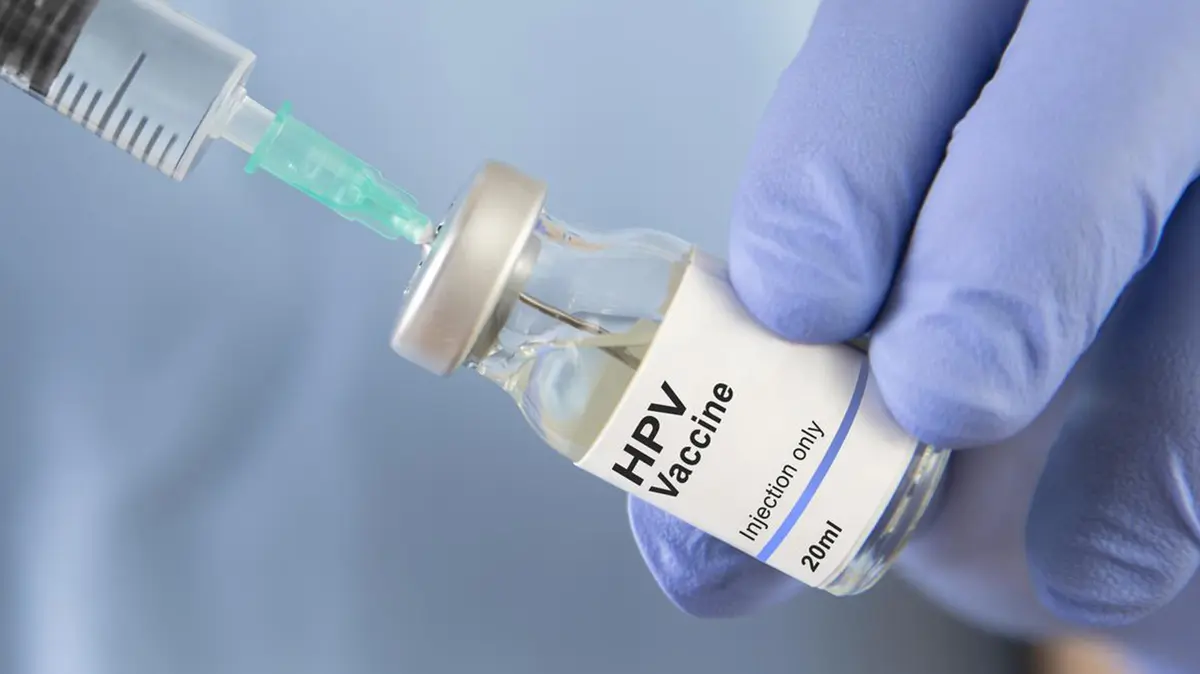
India has launched a national campaign to vaccinate girls aged 14 against human papillomavirus (HPV), a group of viruses that can lead to cervical cancer. The government aims to prevent thousands of cervical cancer cases by administering the vaccine free of cost through schools and health centres.
Background
HPV is a family of viruses that spread through skin‑to‑skin contact, including sexual contact. While most infections are harmless and resolve on their own, some HPV types cause genital warts or cancers of the cervix, anus and throat. Cervical cancer is one of the leading causes of cancer deaths among women in India.
Vaccines like Gardasil protect against the high‑risk HPV types 16 and 18 (which cause the majority of cervical cancers) and low‑risk types 6 and 11 (which cause warts). The World Health Organization recommends vaccinating pre‑teen girls before they become sexually active.
India’s vaccination programme
- Target group: Girls aged 14 years across the country will receive a single dose of the vaccine.
- Free of cost: The government will supply the vaccine at no charge through schools, anganwadi centres and health clinics.
- Training and awareness: Health workers, teachers and parents are being trained to answer questions about the vaccine’s safety and benefits.
- Screening continues: Even after vaccination, women are advised to undergo regular cervical screening (like Pap smears) because the vaccine does not protect against all HPV types.
Benefits and challenges
- Cancer prevention: Vaccination can greatly reduce cervical cancer incidence and mortality in the long term.
- Public health impact: Combining vaccination with screening and awareness programmes enhances women’s health across the country.
- Acceptance and outreach: Misinformation or cultural hesitation may hinder uptake; therefore, community engagement is crucial.
- Supply and logistics: Ensuring sufficient vaccine supply, especially in remote areas, will be key to the programme’s success.
Conclusion
The nationwide HPV vaccination drive marks a significant public health intervention. By vaccinating young girls and continuing to screen women, India seeks to drastically reduce the burden of cervical cancer and improve women’s health in the years ahead.
Source: The Hindu