

Why in news?
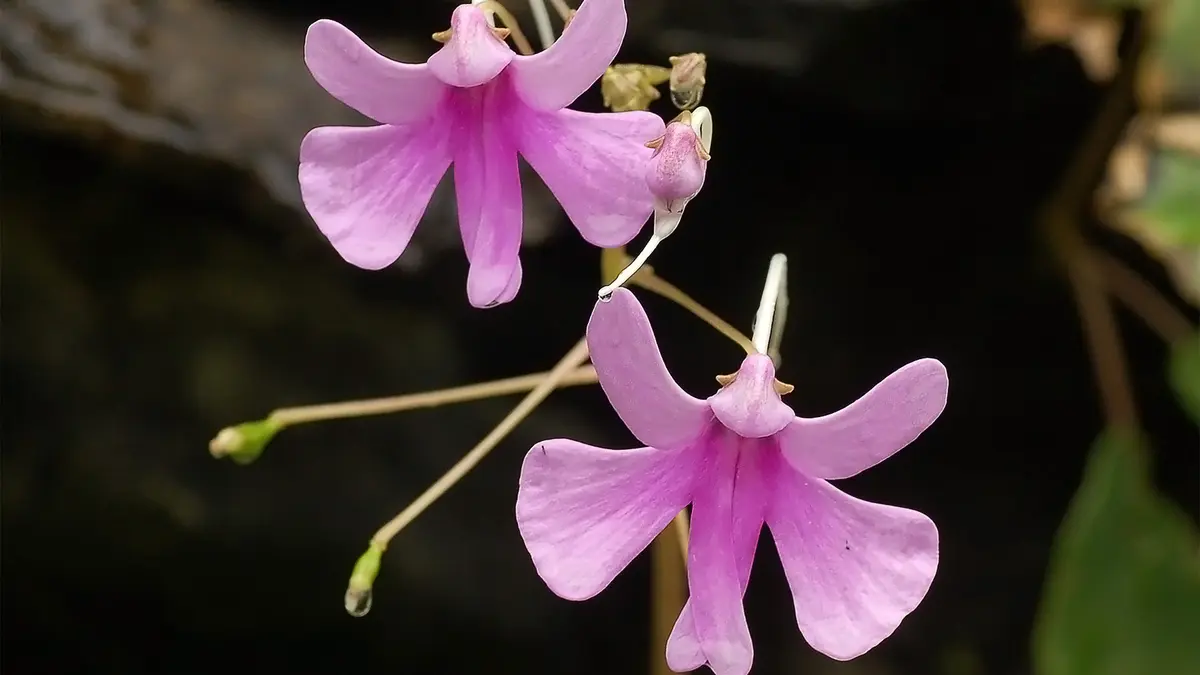
Botanists working in Nagaland’s Fakim Wildlife Sanctuary have described a new species of balsam flower, Impatiens nagorum. The discovery was reported in February 2026 and highlights the rich biodiversity of the eastern Himalayas.
Background
Balsams (Impatiens species) are delicate herbs known for their brightly coloured flowers and explosive seed pods. India hosts around 230 species of balsam, many confined to the Himalayas and Western Ghats. Impatiens nagorum was found at about 2,336 metres elevation in the Fakim Wildlife Sanctuary, which lies along the Indo‑Myanmar border.
Characteristics of the new species
- Growth habit: The plant has slender, trailing stems that creep along moist forest floors. Its leaves are serrated and arranged alternately.
- Flowers: The small white flowers have purple wings and a deeper, tubular lower sepal. Hairy lateral sepals distinguish it from related species.
- Population size: Botanists observed only about 20 individuals, suggesting the species is extremely rare and potentially threatened by habitat disturbance.
- Naming: The epithet “nagorum” honours the Naga tribes of northeastern India, acknowledging their close relationship with these forests.
Significance
The discovery underscores the importance of conserving the remote montane forests of Nagaland. Such habitats harbour unique plants and animals that are still being documented. Protecting these areas safeguards biodiversity and maintains ecological balance.
Conclusion
Impatiens nagorum is a tiny yet remarkable addition to India’s botanical heritage. Continued exploration and community‑based conservation will be essential to ensure that little‑known species like this balsam survive.