

Why in news?
India’s women and child development minister met a Liberian parliamentary delegation. Their talks focused on leadership, representation and gender-responsive governance.
The meeting in context
The exchange connected political participation with women-led development. It also built upon an India-backed governance project already operating in Liberia.
The India, Brazil and South Africa Facility for Poverty and Hunger Alleviation supports that project. It works with Liberia’s Women Legislative Caucus.
The initiative aims to strengthen legislative skills, coalitions and gender-responsive lawmaking. It also seeks closer engagement between women legislators and communities.
Geographic and political setting
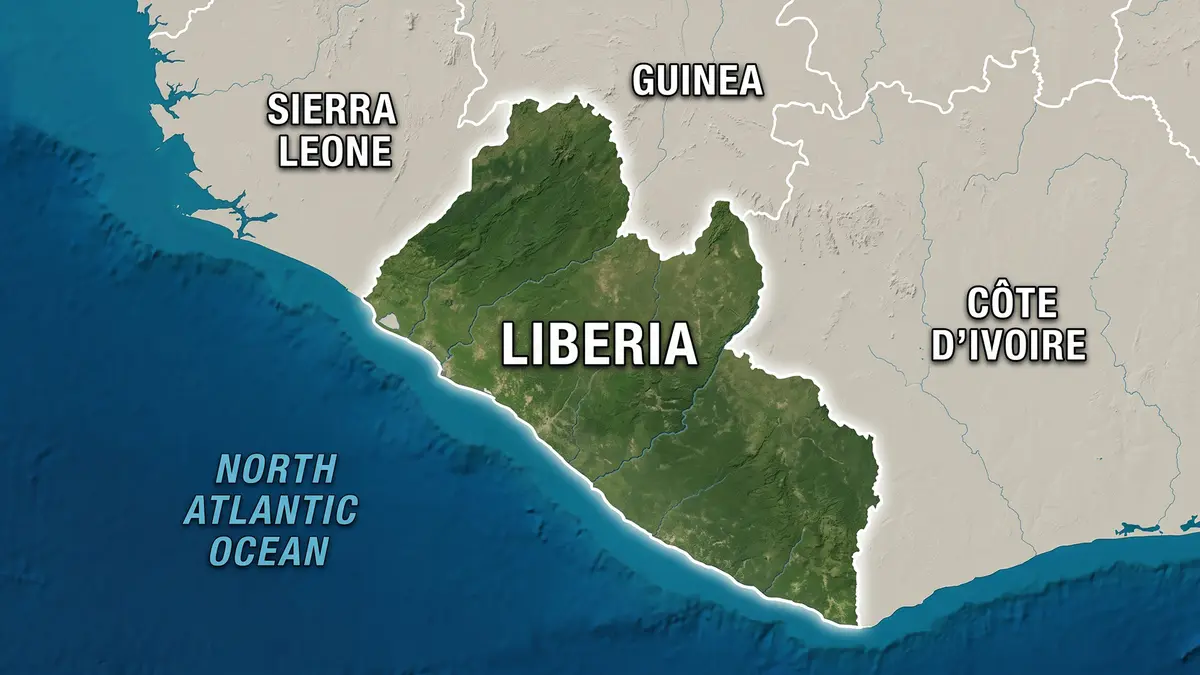
Liberia lies on West Africa’s Atlantic coast. It borders Sierra Leone, Guinea and Côte d’Ivoire.
Its capital, Monrovia, is the country’s political and economic centre. Rural communities face different access conditions from the coastal capital.
That geography matters for representation. National institutions need channels that connect remote communities with legislators and public services.
What gender-responsive governance means
It examines how laws, budgets and services affect different genders. Representation matters, but policy design and implementation matter equally.
Why the partnership matters
Women legislators may widen attention to care, safety, health and economic access. Outcomes, however, depend on authority and institutional support.
Training can strengthen committee work and budget scrutiny. Lasting change also requires parliamentary research, reliable data and cross-party cooperation.
India can share experience from local-government reservations and women-focused programmes. Liberia must adapt any lesson to its own Constitution and institutions.
South–South cooperation can support locally chosen priorities. It works best when partners publish goals, spending and measurable results.
Evaluation should examine legal reforms and public participation. Meeting counts alone reveal little about institutional change.
Women’s groups outside Parliament should remain involved. Their evidence can connect national debate with daily barriers faced across the country.
The funding platform joins India, Brazil and South Africa. Its structure makes shared development experience part of multilateral cooperation.
Capacity building should survive electoral turnover. Parliamentary staff and documented procedures can retain knowledge when individual legislators change.
Gender-responsive budgeting offers one practical test. It traces whether public money actually addresses unequal needs identified during consultation.
Participation must influence decisions
Women-led development requires more than visibility. It needs budgets, evidence and institutions that convert representation into outcomes.
Conclusion
The India–Liberia exchange links diplomacy with institutional capacity. Credible results will depend on transparent, locally owned implementation.