

Why in news?
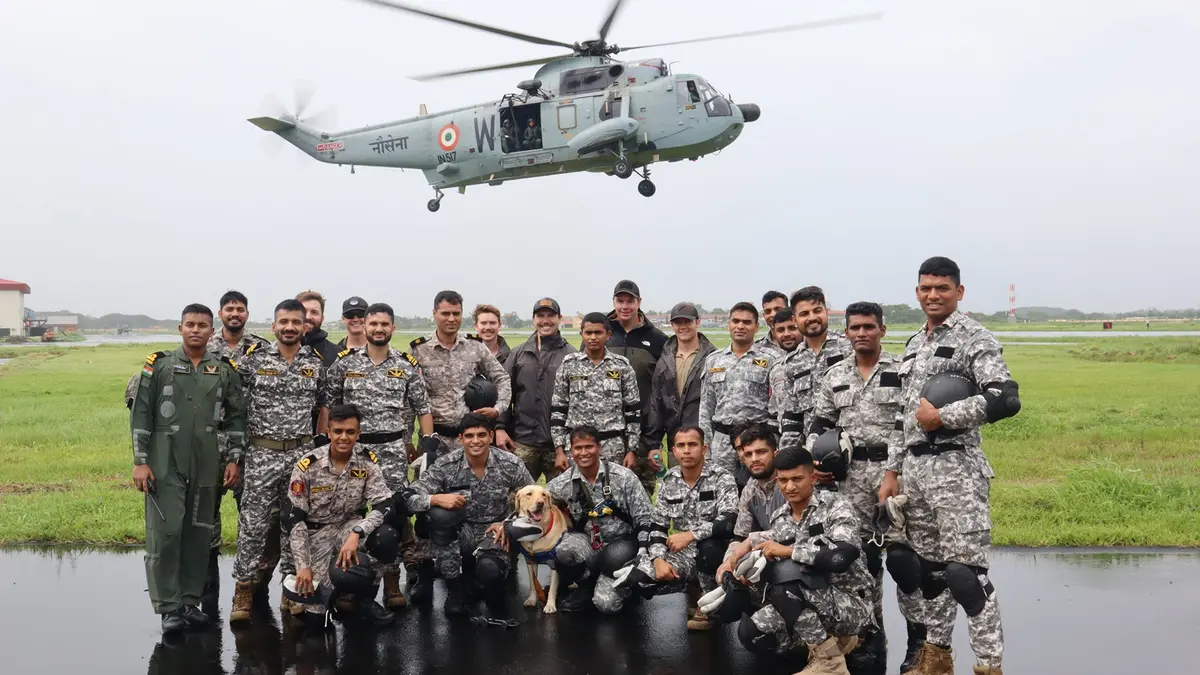
A bilateral Explosive Ordnance Disposal (EOD) exercise was reported in Kochi. The Indian and United States naval engagement was scheduled through 14 August.
What EOD teams do
Explosive Ordnance Disposal teams identify, render safe and remove hazardous munitions. Naval teams also work underwater around ports, ships and wrecks. Training can cover mine detection, neutralisation, diving procedures and salvage. Common methods improve safety when two navies operate together.
India and the United States have conducted joint salvage and EOD engagements since 2005. Their 2023 Salvage Exercise (SALVEX) also took place at Kochi.
Why Kochi matters
Kochi is a major port on Kerala’s Arabian Sea coast. Sheltered backwaters and harbour approaches support naval, commercial and training activity. The Southern Naval Command is headquartered there. It serves as the Indian Navy’s principal training command.
This concentration provides diving schools, harbour infrastructure and specialist personnel. It also supports realistic work around coastal and underwater hazards.
Strategic value
Unexploded munitions can close channels and delay shipping. Mines and improvised devices can also threaten naval bases and energy routes.
Interoperable teams can respond faster during accidents, conflict or humanitarian operations. Shared procedures reduce misunderstandings in hazardous underwater tasks.
Bilateral training also builds professional trust below the strategic level. Its practical value should be assessed through tested skills, not ceremony.
Exercises should include environmental safeguards and secure evidence handling. These procedures matter when recovered objects involve pollution, crime or later investigation.
Teams must communicate clearly while using different equipment and terminology. Repeated drills expose these small differences before a real emergency magnifies them.
Kochi’s position on India’s western seaboard connects it with Arabian Sea routes. Safe approaches support naval readiness and commercial continuity together.
After-action reviews should record procedural and equipment gaps. Lessons can then inform training standards without disclosing operationally sensitive details. This approach turns a short exercise into a repeatable institutional capability that improves across later engagements.
Training is not a treaty commitment
The exercise improves specialist cooperation. It does not create an automatic obligation for joint combat or collective defence.
Conclusion
The Kochi exercise develops a narrow but critical capability. Safe ports and interoperable teams strengthen wider maritime resilience.