

Why in news?
A report released by the Union Government’s Sandalwood Development Committee estimates that the global annual demand for sandalwood is about 5,000–6,000 tonnes. The findings highlight the growing pressure on India’s dwindling sandalwood resources and the need for sustainable management.
Background
Santalum album, commonly known as Indian sandalwood or chandan, is a slow‑growing tree valued for its fragrant heartwood and essential oil. Traditionally used in Ayurveda, perfumes, cosmetics and religious rituals, sandalwood takes around twenty years to produce commercially viable heartwood. It grows best in slightly alkaline soils (pH 6.7 – 7.5) under warm, humid climates with well‑drained soil. Major sandalwood‑growing states include Karnataka, Andhra Pradesh, Gujarat, Bihar, Telangana, Madhya Pradesh, Maharashtra and Tamil Nadu.
Challenges highlighted by the report
- High demand vs. limited supply: With global demand exceeding 5,000 tonnes annually, natural sandalwood stocks are under severe strain. The long maturation period and slow regeneration make it difficult to meet demand through natural forests.
- Illegal logging and smuggling: High market prices have led to rampant poaching, particularly in Karnataka and Tamil Nadu. Illegal harvesting and cross‑border smuggling reduce the country’s legitimate export earnings and threaten wild populations.
- Habitat loss and pests: Deforestation, land‑use change and disease outbreaks further diminish sandalwood stands. The sandalwood spike disease, caused by phytoplasma, has severely affected trees in southern India.
Way forward
- Community cultivation: Encouraging farmers and communities to grow sandalwood on private lands with assured buy‑back arrangements can increase supply while reducing pressure on natural forests.
- Legal reforms: Simplifying permit procedures for harvesting cultivated sandalwood and strengthening enforcement against illegal trade will promote legal supply chains.
- Research and conservation: Breeding disease‑resistant varieties, establishing seed orchards and restoring degraded habitats will help conserve genetic diversity and ensure future supply.
Significance
- Cultural and economic value: Sandalwood heartwood and oil are integral to Indian religious rituals, traditional medicine and perfumery. Protecting the species safeguards cultural heritage while supporting rural livelihoods through legal trade.
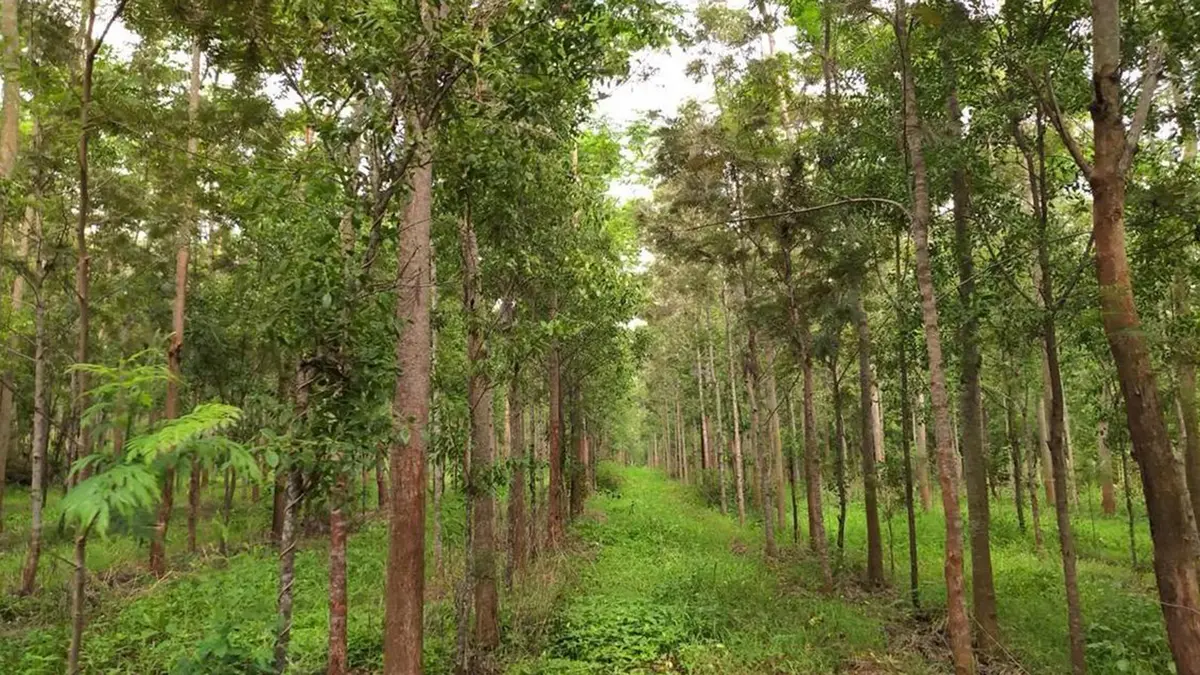
- Environmental benefits: Mixed sandalwood plantations under agro‑forestry systems improve soil fertility, conserve biodiversity and offer an additional income stream to farmers.
- Policy momentum: Recent government initiatives—such as liberalising cultivation rules and promoting plantations through the Union Budget—signal renewed focus on restoring India’s sandalwood economy.
Source: The Hindu