
Why in news?
India and Uzbekistan held the 17th round of Foreign Office Consultations in New Delhi on 13 May 2026. The talks were co‑chaired by India’s Secretary (West), Sibi George, and Uzbekistan’s First Deputy Foreign Minister, Bakhromjon Aloev. The meeting reviewed bilateral relations and ways to strengthen cooperation in trade, tourism, education and technology, underscoring the growing engagement between New Delhi and Tashkent.
Background
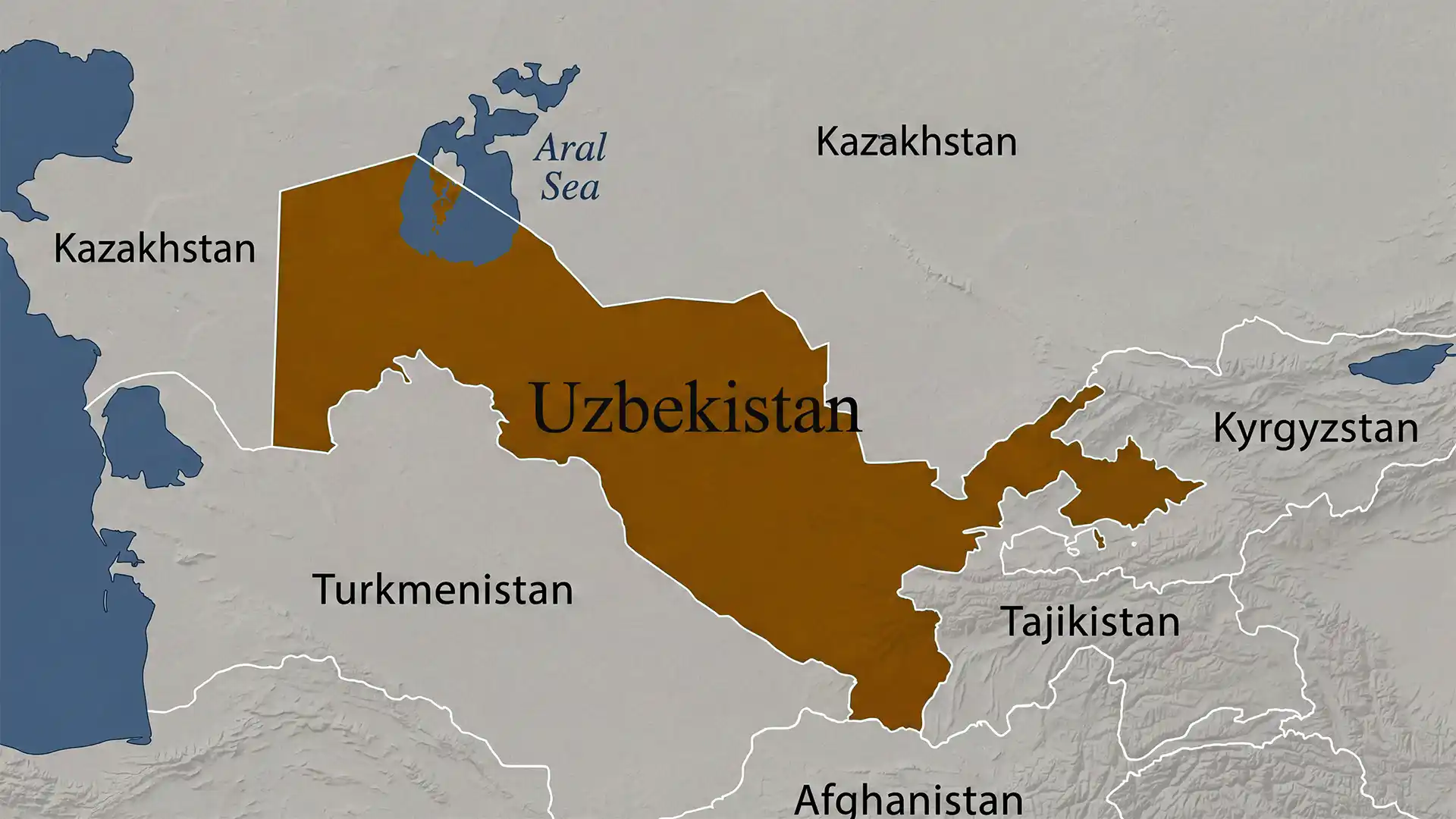
Uzbekistan is a landlocked Central Asian republic that gained independence after the collapse of the Soviet Union in 1991. It borders Kazakhstan to the north, Kyrgyzstan and Tajikistan to the east, Afghanistan to the south and Turkmenistan to the west. With a population of around 35 million people and rich reserves of natural gas, gold and cotton, Uzbekistan plays an important role in regional politics and trade. India established diplomatic relations soon after independence and has since sought to deepen economic and cultural ties, especially through the “Connect Central Asia” policy.
Discussion highlights
- Trade and investment: Both sides reviewed current trade volumes (about US$500 million) and discussed opportunities to expand commerce in pharmaceuticals, textiles and information technology.
- Tourism and people‑to‑people links: India encouraged more Uzbek tourists to visit heritage sites such as Varanasi and Bodh Gaya, while Uzbekistan promoted its Silk Road cities like Samarkand and Bukhara.
- Energy and innovation: The delegations explored cooperation in renewable energy and spoke about joint projects in solar and wind power. Uzbekistan expressed interest in India’s digital public goods like the Unified Payments Interface (UPI).
- Regional issues: They also exchanged views on developments in Afghanistan and Central Asia’s connectivity initiatives, emphasising the need for stability and open trade routes.
Conclusion
The consultations reaffirmed the strategic importance of India‑Uzbekistan relations. By focusing on economic cooperation and regional stability, both countries aim to build a comprehensive partnership that benefits their people and contributes to Central Asian connectivity.

