

Why in news?
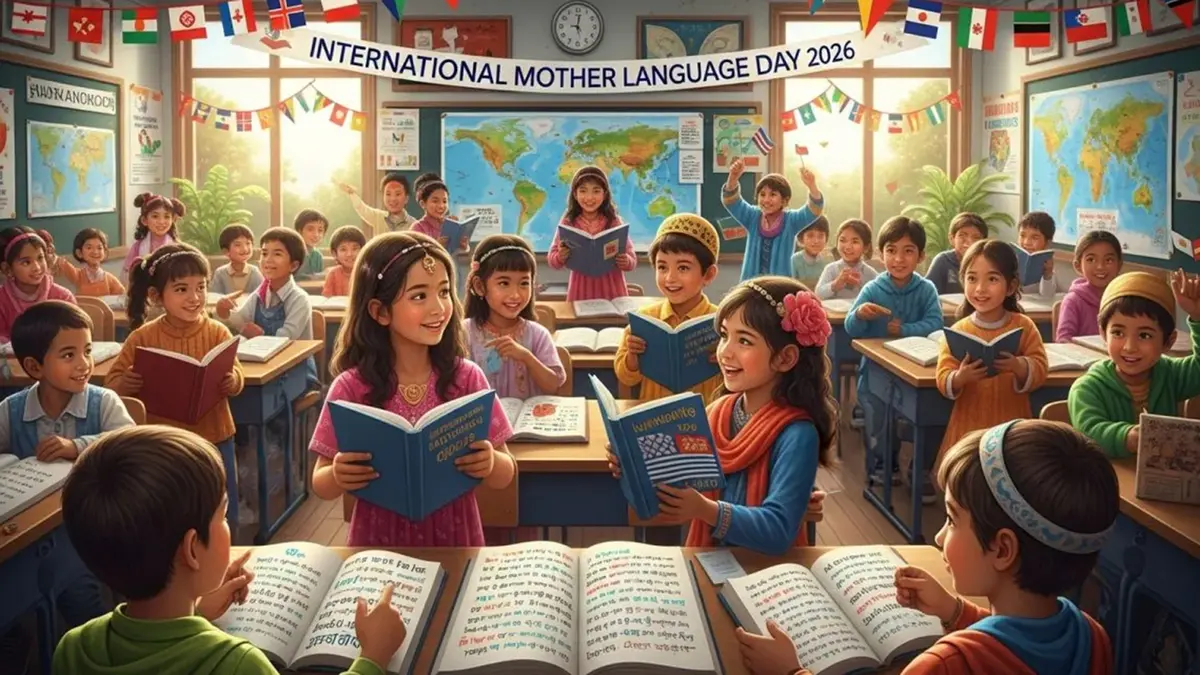
Every year on 21 February UNESCO observes International Mother Language Day to promote linguistic diversity and multilingual education. In 2026 the celebration focused on the theme “Youth voices on multilingual education”. A high‑level panel at UNESCO headquarters in Paris highlighted the role of young people and the digital revolution in preserving languages.
Background
International Mother Language Day was proclaimed by UNESCO in 1999 at the initiative of Bangladesh. The date commemorates the 1952 Bengali Language Movement, during which students in Dhaka were killed while demanding recognition of their mother tongue, Bangla. The day honours linguistic and cultural diversity and advocates for the preservation of all languages, especially those at risk of disappearing. The 2026 edition emphasised youth participation and the challenges and opportunities posed by artificial intelligence and digital communication.
Highlights of the 2026 observance
- Youth at the centre: UNESCO invited young language activists, educators and innovators to share ideas on how to make education more inclusive by using multiple languages. The event underscored that young people are not only inheritors but also custodians of linguistic diversity.
- Digital dimension: Discussions explored how digital platforms and artificial intelligence can either exacerbate or bridge linguistic inequalities. Online content remains dominated by a few major languages, and AI systems often lack data in indigenous languages.
- High‑level panel: The programme featured opening remarks by Bangladesh’s Permanent Delegate to UNESCO and the President of UNESCO’s General Conference, followed by an address from UNESCO’s Director‑General. A keynote lecture examined the future of mother tongues in the AI era.
- Cultural performances: The evening concluded with performances organised by the Permanent Delegation of Bangladesh, celebrating the richness of the world’s linguistic heritage.
Importance of mother languages
- Cultural identity: Mother tongues carry stories, songs and beliefs that shape a community’s identity. Losing a language often leads to the erosion of cultural heritage.
- Inclusive education: Research shows that children learn better when taught in their first language, especially in early grades. Multilingual education improves learning outcomes and helps bridge social gaps.
- Knowledge preservation: Many endangered languages contain unique ecological and medicinal knowledge that can benefit humanity.
Conclusion
International Mother Language Day reminds us of the profound connection between language, culture and development. By amplifying youth voices and harnessing technology wisely, societies can ensure that every language — no matter how small — has a place in our shared future.
Source: UNESCO