
Why in news?
The Union Culture Ministry reported fresh details about Kala Sanskriti Vikas Yojana. The information was given in the Lok Sabha on 20 July 2026. It covered grant applications processed during financial year 2025–26. The reply also explained the scheme’s support for artists and cultural organisations.
Background
India’s cultural traditions depend upon performers, teachers, community groups and small institutions.
Because markets may not support rare arts, the Union Government provides several cultural grants.
Kala Sanskriti Vikas Yojana, or KSVY, is the Culture Ministry’s Central Sector umbrella scheme.
Under a Central Sector scheme, the Union Government directly finances the programme.
What does the scheme seek to protect?
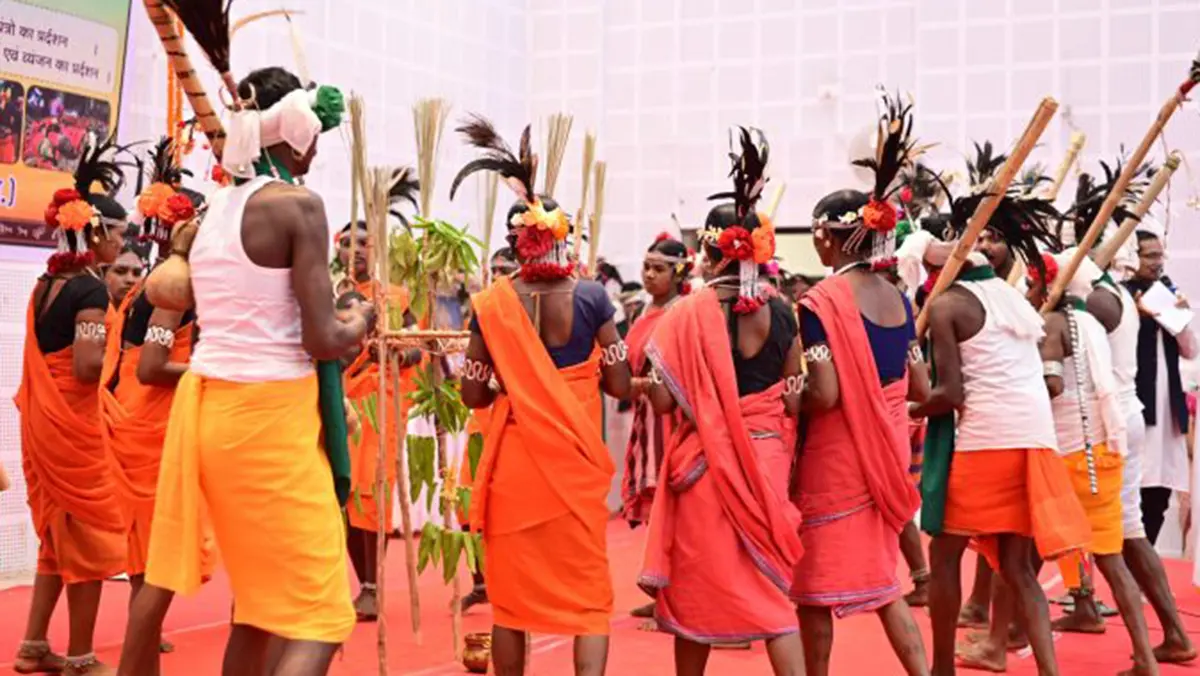
KSVY mainly supports performing arts and living heritage, also called intangible cultural heritage.
Intangible heritage carries living knowledge, while tangible heritage includes objects, manuscripts and buildings.
Some scheme components also support cultural buildings or preservation-related institutional work.
Major grant components reported for 2025–26
| Component | Main purpose | Recommended or sanctioned | Rejected |
|---|---|---|---|
| Repertory Grant and Guru–Shishya support | It supports performing groups, teachers and trained disciples. | 910 | 966 |
| Cultural Organisations with National Presence | It supports established institutions working across India. | 30 | 141 |
| Cultural Function and Production Grant | It supports productions, festivals, seminars and cultural events. | 692 | 3,688 |
| Himalayan Cultural Heritage | It preserves and develops culture across Himalayan regions. | 44 | 22 |
| Buddhist and Tibetan Culture | It supports institutions protecting Buddhist and Tibetan traditions. | 216 | 74 |
| Tagore Cultural Complexes | It assists multipurpose cultural spaces and related infrastructure. | 0 | 5 |
| Fellowships for Outstanding Persons | It enables research and specialised work in cultural fields. | 2,609 | 400 |
| Scholarships for Young Artistes | It supports advanced training by promising young practitioners. | 400 | 2,438 |
| Financial Assistance for Veteran Artists | It assists eligible senior artists facing financial difficulty. | 388 | 2,003 |
The official column combines “recommended” and “sanctioned” applications, so figures do not all represent final payments.
Rejection numbers show that submitting an application does not create an entitlement.
Classification caution: The parliamentary reply reports these nine grant components. Other Culture Ministry programmes should not be automatically added to this particular dataset.
How does the Guru–Shishya component work?
Guru–shishya training is a close teacher-disciple tradition within Indian performing arts.
The component directly supports eligible gurus, disciples and trained repertory performers.
Groups face annual assessment before Direct Benefit Transfer places approved assistance into verified bank accounts.
What activities can other components support?
- Cultural organisations can organise festivals, exhibitions, workshops, seminars and artistic productions.
- Himalayan assistance can preserve local languages, crafts, festivals and performance traditions.
- Buddhist and Tibetan support can strengthen monasteries, libraries, training and documentation.
- Tagore complexes can create spaces for performances, exhibitions and community cultural activity.
- Fellowships can support serious research, documentation or specialised creative work.
- Scholarships allow young artists to receive advanced training under recognised teachers.
- Veteran assistance supports qualifying senior artists with limited financial resources.
How are applications examined?
Applicants submit required identity, experience, activity, financial and institutional documents for their chosen component.
Expert committees examine merit and relevance, while officials verify records, grants and reported activities.
Approvals remain subject to available funds and the component’s detailed guidelines.
Recipients must normally submit utilisation records before receiving later assistance.
A utilisation certificate explains how an earlier public grant was actually spent.
Why does public support matter?
Traditional arts carry language, memory, values and community experience across generations.
Regular support helps artists continue training when market demand remains uncertain.
Documentation and performances also make rare traditions accessible to younger audiences.
However, transparent selection and financial monitoring remain essential for public trust.
Conclusion
KSVY provides a common support framework for artists, institutions and living traditions.
The 2025–26 figures also show that grants follow scrutiny, not automatic approval.