

Why in news?
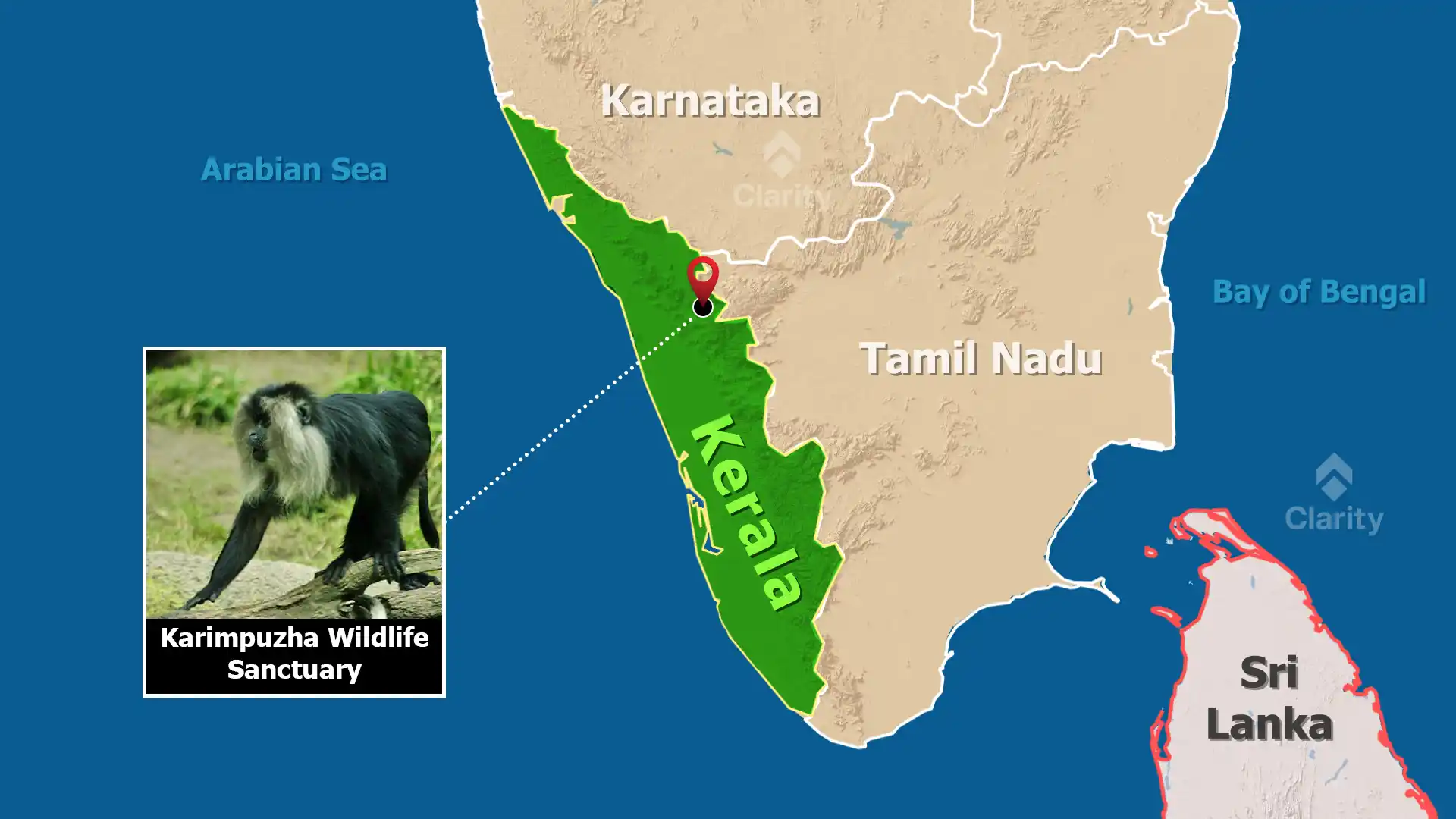
A comprehensive faunal survey conducted in the Karimpuzha wildlife sanctuary in Kerala recorded the presence of 63 species of birds, butterflies and dragonflies previously unreported from the area. The findings highlight the sanctuary’s rich biodiversity and the need for greater conservation efforts.
Background
Karimpuzha, located on the Nilgiri slopes in Malappuram district, covers an area of about 225 square kilometres. It is contiguous with the Silent Valley and Mukurthi national parks. Researchers from the Kerala Forest Research Institute, local universities and volunteer groups surveyed the sanctuary between September and December 2025, traversing altitudes from 500 to 2,300 metres.
Survey highlights
- Birds: Twelve bird species not previously recorded in the sanctuary were sighted, including the Broad‑tailed Grassbird and the critically endangered White‑rumped Vulture.
- Butterflies: Twenty‑seven species of butterflies, such as the Painted Courtesan and the Malabar Tree Nymph, were newly documented.
- Odonates: Twenty‑four species of dragonflies and damselflies, some endemic to the Western Ghats, were observed.
- Other fauna: The survey also noted 20 new moth species, 36 ant species, 10 species of bees and 42 fish species, indicating the sanctuary’s ecological complexity.
Significance
- Biodiversity hotspot: The discoveries reinforce Karimpuzha’s role as part of the Nilgiri Biosphere Reserve, one of the world’s eight “hottest hot‑spots” of biodiversity.
- Conservation implications: Identifying species distributions helps authorities design better management plans and protect habitats from human disturbance.
- Community involvement: Local villagers assisted in the survey, fostering stewardship and awareness.
Source: TH