

Why in news?
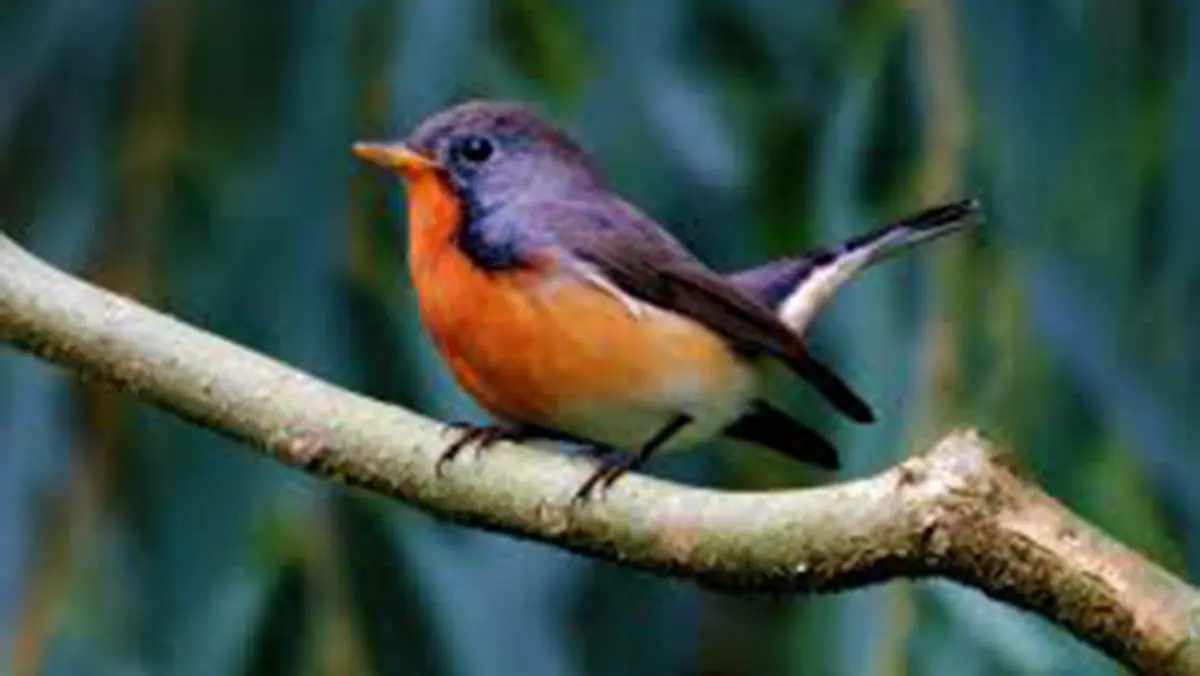
Birdwatchers in Kasaragod district, Kerala, reported a rare sighting of the Kashmir Flycatcher in May 2026. The species, normally found in the western Himalayas, was observed at the Chemmattam Vayal wetlands. This marks one of the first records of the bird in northern Kerala and raises hopes for increased awareness of wetland conservation.
Background
The Kashmir Flycatcher (Ficedula subrubra) is a small migratory songbird. It breeds in the highland oak and conifer forests of the north‑western Himalayas, particularly in Kashmir and Himachal Pradesh. In autumn the birds migrate south to the Western Ghats, Nilgiris and Sri Lanka to escape the cold. The species is listed as Vulnerable due to habitat loss and fragmentation.
Key facts about the sighting
- Location: The bird was seen at Chemmattam Vayal, a wetland near Seethangoli in Kasaragod district. The area has become a hotspot for birdwatchers due to its diverse avifauna.
- Record for northern Kerala: Although the flycatcher is occasionally recorded in southern Kerala and Tamil Nadu, it is rarely documented in the northern districts. The sighting increases the species count for Kasaragod to over 400.
- Conservation concerns: The Kashmir Flycatcher relies on undisturbed montane forest and shrub habitat for breeding. Deforestation, grazing and conversion of forests to plantations have reduced its breeding range. Wetland sites used during migration also face threats from development and pollution.
- Importance of citizen science: Local birdwatchers and naturalists play a vital role in reporting rare species. Their observations help scientists track migratory patterns and inform conservation strategies.
Conclusion
The unexpected sighting of the Kashmir Flycatcher in Kasaragod highlights the ecological richness of Kerala’s wetlands and emphasises the need to protect both breeding and stopover habitats. Continued monitoring and habitat conservation can contribute to the survival of this vulnerable species.
Source: TH