
Why in news?
The ongoing conflict in West Asia and a decline in Iran’s saffron production have boosted demand for Kashmir saffron in 2026. Prices have surged to around ₹350 per gram, and exports to the UAE, USA and Europe have increased. Farmers expect a better market despite recent declines in domestic output due to erratic rainfall.
Background
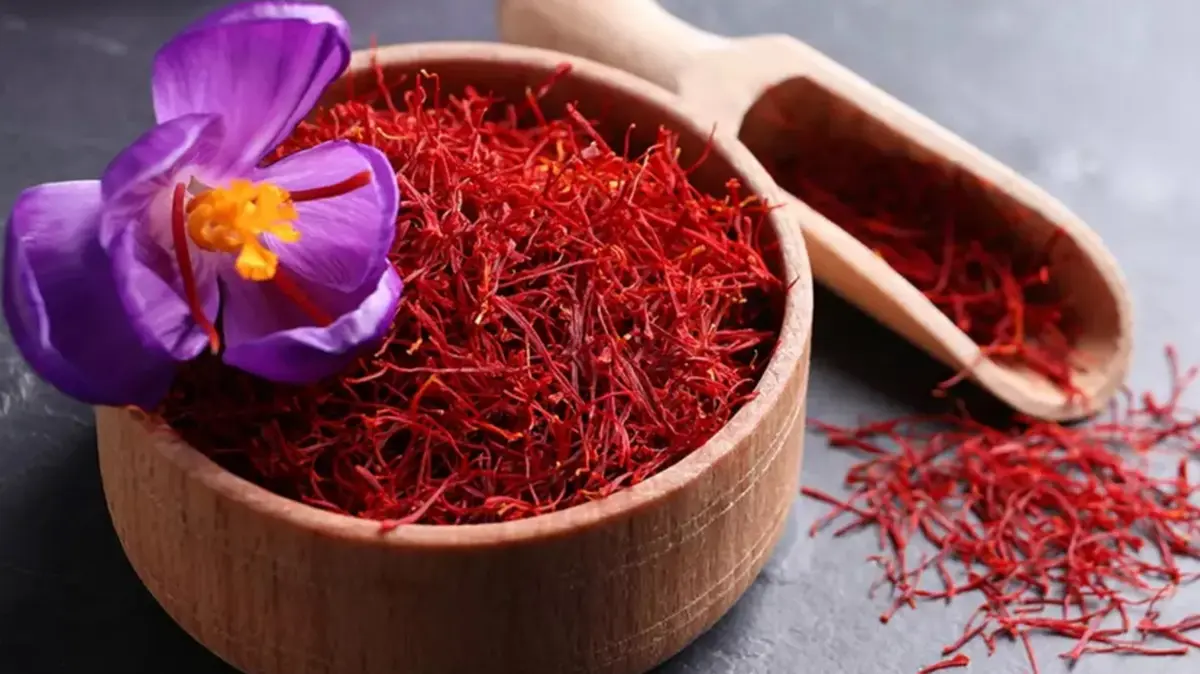
Saffron, often called “red gold”, comes from the dried stigmas of Crocus sativus. Kashmir’s Pampore region and adjoining fields in Pulwama are among the few places worldwide where saffron grows at altitudes around 1,600 metres. The product received a Geographical Indication (GI) tag in May 2020, recognising its unique colour, aroma and flavour. About 3,700 hectares in Jammu and Kashmir are under saffron cultivation. Production fell from 23.5 metric tonnes in 2023–24 to about 19.6 tonnes in 2024–25 due to fewer rainfall spells.
Types of Kashmiri saffron
- Mongra/Mogra: The top red part of the stigma. It is the costliest and most aromatic variety.
- Lacha: Consists of the whole stigma, including the red and yellow parts. It is slightly less expensive than Mongra.
- Zarda/Gucci: The lower yellow portion of the stigma. It is cheaper and used mainly for colouring.
Recent trends
- Price surge: Traders report retail prices rising from about ₹250 per gram in early 2025 to roughly ₹350 per gram in mid‑2026.
- Export markets: Demand has increased in Gulf countries, the USA and Europe as Iranian supplies shrink.
- Weather challenges: Farmers note that saffron requires multiple rain spells between August and November. Climate variability has reduced flowering and yields.
- Value addition: The GI tag helps authenticate genuine Kashmir saffron and protects farmers from adulteration. Government programmes under the One District One Product initiative aim to improve processing and marketing.
Conclusion
Kashmir saffron remains prized for its deep colour and aroma. The current global shortage offers an opportunity for growers, but sustained investment in irrigation, storage and market access is needed to maximise benefits and maintain quality.