
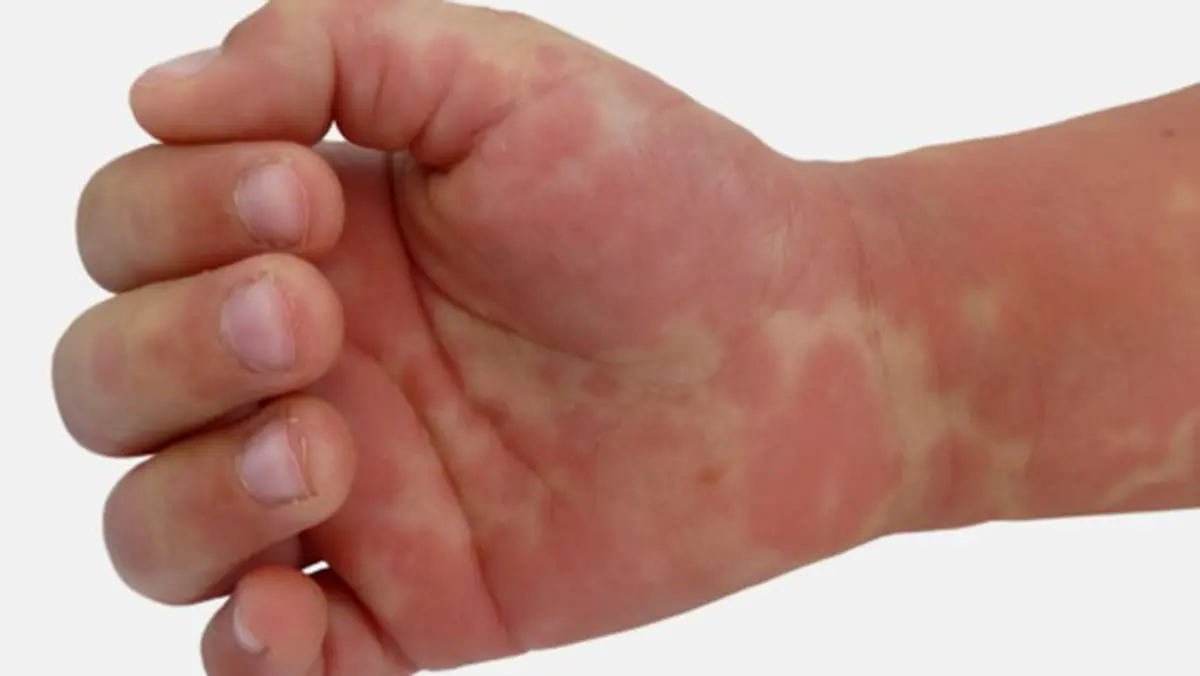
Why in news?
A multicentre trial in China examined whether adding the steroid prednisolone to the standard treatment for Kawasaki disease (intravenous immunoglobulin and aspirin) would reduce coronary‑artery lesions. Results published in April 2026 showed no significant reduction in the incidence of coronary lesions at one and three months. However, prednisolone shortened fever duration and reduced inflammatory markers, leading researchers to conclude that routine steroid use is unnecessary for most patients.
Background
Kawasaki disease, first described by Japanese paediatrician Tomisaku Kawasaki in 1967, is an acute inflammatory disorder of blood vessels. It primarily affects children under five years old and causes persistent fever, rashes, swollen lymph nodes, red eyes and inflammation of the mouth and throat. The cause remains unknown, but experts suspect a combination of genetic predisposition and viral or environmental triggers.
Clinical features
- Biphasic illness: Symptoms often occur in two stages. The first phase (1–2 weeks) brings high fever, rash, red mucous membranes, and swollen hands and feet. In the second phase (weeks 3–6) the fever subsides but the child may develop skin peeling and joint pain.
- Coronary involvement: Inflammation can damage the coronary arteries, leading to aneurysms. This makes Kawasaki disease the leading cause of acquired heart disease in children in industrialised countries.
- Diagnosis: There is no single diagnostic test. Physicians rely on clinical criteria, supported by blood tests and echocardiography to assess coronary arteries.
- Standard treatment: High‑dose intravenous immunoglobulin (IVIG) and aspirin given within the first 10 days of illness reduce inflammation and lower the risk of coronary aneurysms. Most children recover fully with early therapy.
Findings of the prednisolone trial
The Chinese study enrolled more than 3,200 children and compared standard therapy alone with standard therapy plus an oral course of prednisolone. At one month after disease onset, the proportion of children with coronary‑artery lesions was virtually the same in both groups. Prednisolone modestly reduced the need for rescue therapy and shortened the duration of fever but did not prevent the progression of existing aneurysms. Importantly, severe adverse events were similar in both groups.
Implications
The trial underscores that IVIG and aspirin remain the cornerstone of treatment. Steroids may be reserved for resistant cases or where inflammation persists despite standard therapy. Timely diagnosis and prompt administration of IVIG are crucial to minimise cardiac complications.
Sources: Medical Dialogues

