

Why in news?
Japan has been in the spotlight due to a recent earthquake on the Noto Peninsula and ongoing discussions about its disaster preparedness. Understanding the country’s geography, demography and governance helps explain why it frequently experiences natural hazards and how it responds to them.
Background
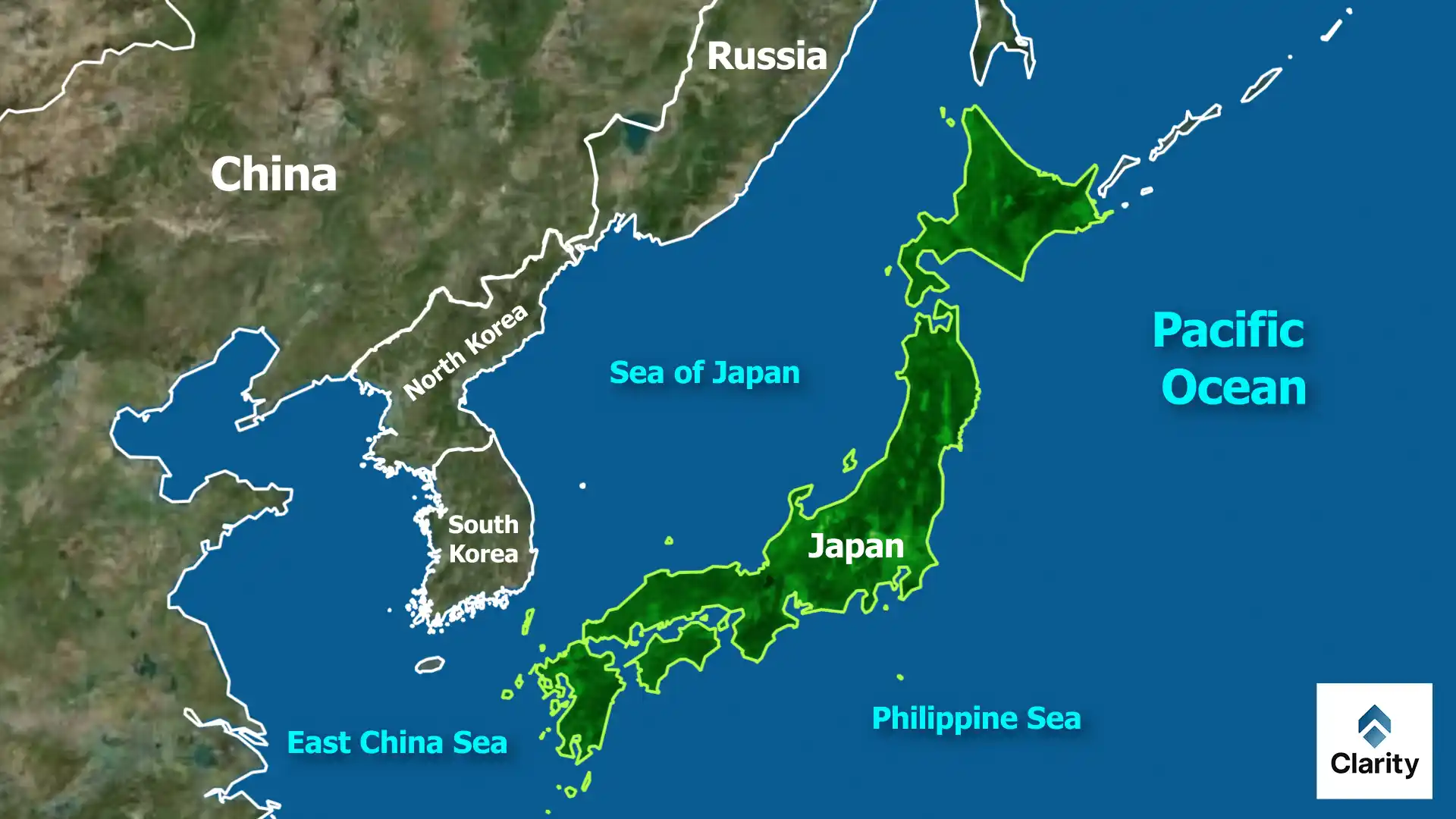
Japan is an island nation located in the northwestern Pacific Ocean. The archipelago stretches roughly 3,000 kilometres from north to south and comprises thousands of islands, of which the four largest—Hokkaido, Honshu, Shikoku and Kyushu—account for most of its land area. It is a parliamentary constitutional monarchy with an emperor as the ceremonial head of state and an elected prime minister as head of government. With a population of about 124 million, Japan is one of the world’s most densely populated countries and highly urbanised.
Geography and climate
- Mountainous terrain: More than four‑fifths of Japan is covered by mountains. The Japanese Alps run through central Honshu, and Mount Fuji, at 3,776 metres, is the highest peak.
- Ring of Fire: Japan sits on the convergence of several tectonic plates. This location makes it prone to earthquakes, volcanic eruptions and tsunamis. Numerous active volcanoes dot the islands.
- Climate diversity: The northern island of Hokkaido has cold, snowy winters, while southern Okinawa experiences a humid subtropical climate. Typhoons often strike during late summer and early autumn.
- Rivers and forests: Major rivers such as the Shinano, Tone and Kiso provide fertile plains for agriculture. Forests cover around two‑thirds of the land, supporting rich biodiversity.
Government and society
- Constitutional monarchy: The emperor is a symbol of the nation, while real political power rests with the parliament (Diet) and the cabinet headed by the prime minister.
- High human development: Japan boasts universal healthcare, high literacy and a long life expectancy. It is renowned for its technological innovation and advanced manufacturing sector.
- Demographic challenges: The population is ageing rapidly, with a low birth rate and shrinking workforce. These trends affect social security systems and economic growth.
Economy and culture
- Economic power: Japan has the world’s third‑largest economy. Key industries include automobiles, electronics, robotics and precision manufacturing.
- Cultural heritage: Traditional arts such as tea ceremony, kabuki theatre and calligraphy coexist with modern pop culture exports like manga and anime.
- Disaster preparedness: Frequent exposure to earthquakes and typhoons has led to strict building codes, early warning systems and regular drills, making Japan a global leader in disaster resilience.
Conclusion: Japan’s geographic setting offers both beauty and challenges. Its mountains, forests and seas nurture a unique culture and advanced economy, while the ever‑present risk of natural hazards drives its commitment to innovation and preparedness.
Source: TH