
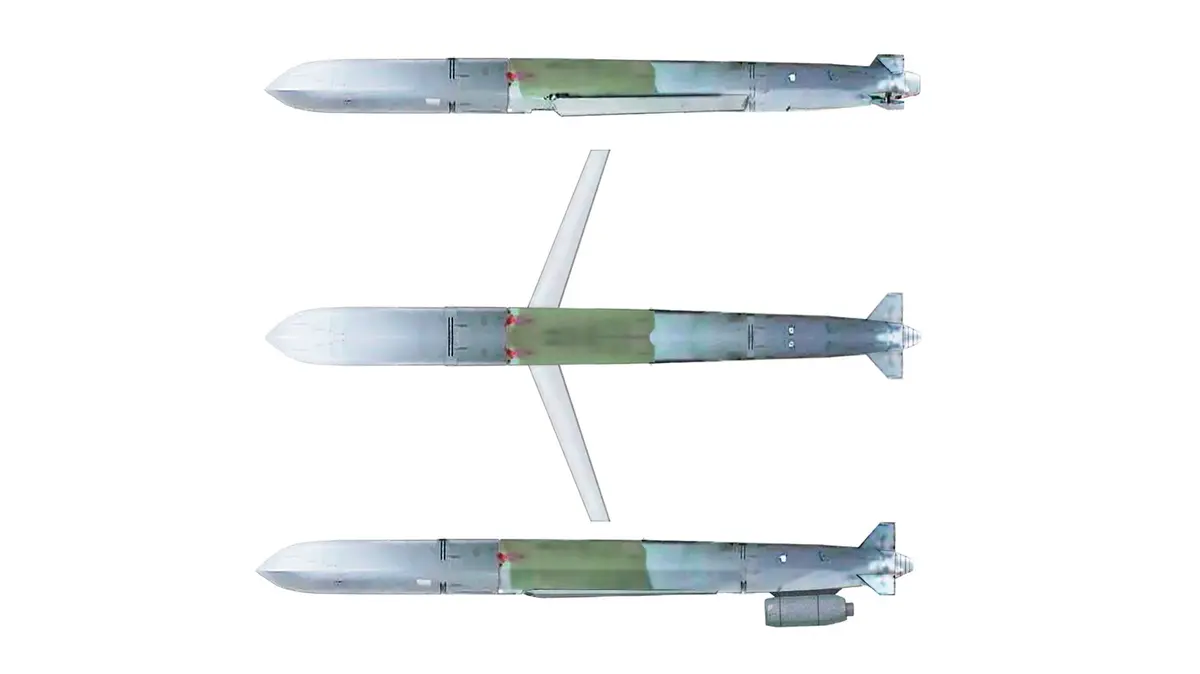
Why in news?
A Russian Kh-101 missile fell near Tarnawa-Kolonia in eastern Poland on 30 July 2026.
It left a roughly ten-metre crater in an uninhabited field without causing reported casualties.
Poland lodged a formal protest, although officials found no indication of deliberate targeting.
The incident raised North Atlantic Treaty Organization security concerns along the Ukrainian border.
Background
The Kh-101 is a Russian, air-launched, long-range and subsonic land-attack cruise missile.
It carries a conventional warhead, while the related Kh-102 is reportedly nuclear-armed.
Western publications commonly use the reporting name AS-23 Kodiak for this missile family.
The design replaced older Kh-55 family weapons with longer range and lower observability.
What happened in Poland?
Polish radar tracked the object during a large Russian missile and drone attack on Ukraine.
The debris and crater were found near Tarnawa-Kolonia, around 100 kilometres from Ukraine.
Prime Minister Donald Tusk said military assessment indicated a Russian Kh-101 cruise missile.
Polish authorities considered Ukraine the likely intended theatre rather than Polish territory.
Warsaw nevertheless summoned Russia’s ambassador because the flight violated Polish sovereignty.
Major technical characteristics
| Feature | Verified description |
|---|---|
| Class | Air-launched, land-attack cruise missile |
| Flight | Subsonic and capable of low, terrain-following approaches |
| Propulsion | Small turbofan engine deployed after aircraft release |
| Guidance | Inertial, satellite and terrain-comparison methods, with terminal imaging guidance reported |
| Warhead | Conventional for Kh-101; nuclear role belongs to Kh-102 |
| Main carriers | Tu-95MS and Tu-160 strategic bombers |
Low-observable shaping and radar-absorbing materials can complicate detection by air-defence systems.
The missile can follow programmed waypoints and approach targets from unexpected directions.
Its principal targets include fixed military facilities, infrastructure and other strategic ground objectives.
Why range figures differ
Independent open-source estimates commonly place operational range around 2,500 to 2,800 kilometres.
Russian official claims have reached 4,500 kilometres, but independent confirmation remains limited.
Payload, route, altitude, fuel and mission profile can also change achievable distance.
Does the incident automatically activate Article 5?
Article 5 covers an armed attack against a North Atlantic Treaty Organization member.
Whether an event qualifies as an armed attack is assessed case by case.
The affected ally must also request or consent to collective action under Article 5.
Every ally then chooses necessary assistance, which need not always involve armed force.
An accidental incursion or falling weapon does not therefore activate Article 5 automatically.
Conclusion
The Polish incident demonstrates how long-range warfare can create serious escalation risks beyond intended targets.