
Why in news?
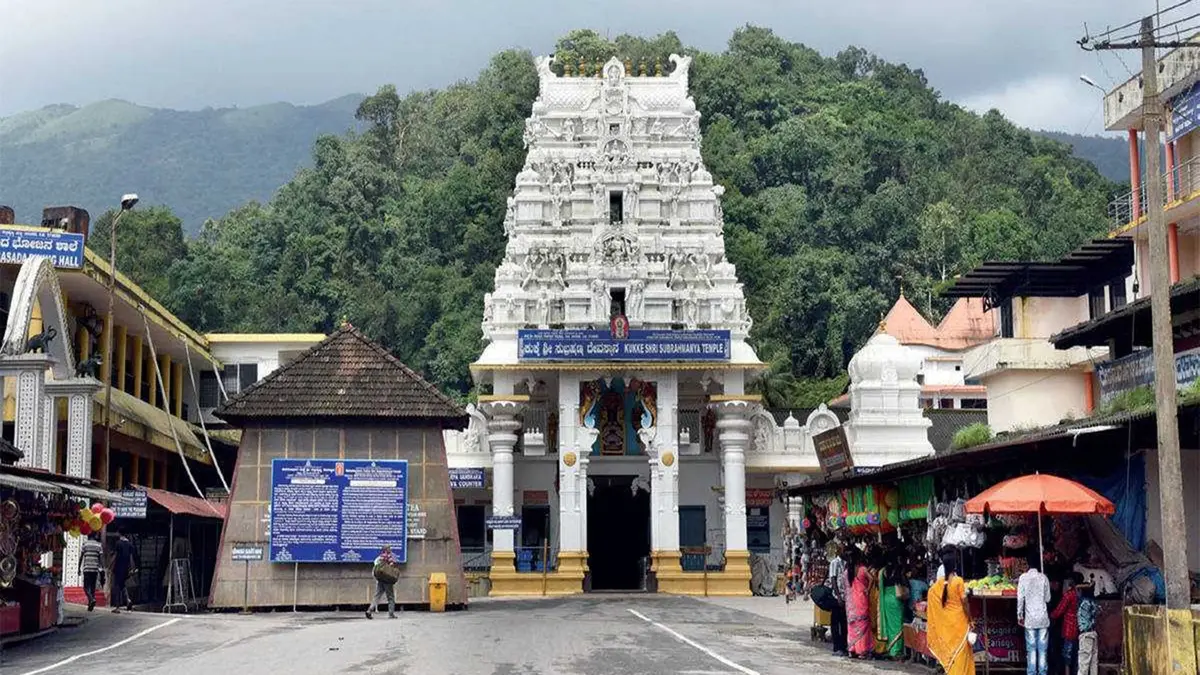
Karnataka’s renowned Kukke Subrahmanya Temple announced that it earned about ₹167.89 crore in the financial year 2025–26. According to reports in regional media, this is the highest annual income ever recorded by a Muzrai‑controlled shrine in Karnataka and around ₹12 crore more than the previous year. Offerings made by devotees through special sevas, general donations and interest income from investments contributed to the surge.
Background
Kukke Subrahmanya Temple stands on the banks of the Kumaradhara River in the village of Subramanya in Dakshina Kannada district of Karnataka. The temple is dedicated to Lord Subrahmanya, also known as Kartikeya, who is worshipped here as the protector of serpents. Tradition holds that the sage Parashurama created seven holy places (Sapta Kshetra) along the coast, and this shrine is one of them. Legend recounts that the serpent king Vasuki took refuge beneath the soil at this site to escape Garuda, and that Lord Subrahmanya later married Devasena nearby after defeating the demon Tarakasura. Historically, the Koojugodu Kattemane family served as temple administrators, and daily rituals follow the practices codified by the 13th‑century philosopher Madhvacharya.
Recent figures and significance
- Record income: The temple received about ₹167.89 crore between April 2025 and March 2026. This makes it the highest‑grossing Muzrai shrine in Karnataka for the 15th consecutive year.
- Main revenue sources: Special vows and offerings known as Harake Sevas generated roughly ₹64 crore. Hundi collections and other donations added about ₹24.7 crore, while direct cash contributions amounted to over ₹5 crore. Interest income from investments contributed around ₹49 crore.
- Expenditure: Reports indicate that about ₹85 crore was spent on operating costs, charitable activities and infrastructure improvements.
- Long‑term growth: The temple’s revenues have grown dramatically over the past two decades, rising from around ₹20 crore in 2006–07 to nearly ₹168 crore in 2025–26. The surge reflects the shrine’s popularity among devotees and the management’s ability to invest surplus funds prudently.

