
Why in news?
In late March 2026, Israel’s defence minister announced that the Israeli military would seize control of southern Lebanon up to the Litani River to create a “security zone”. The plan, described as a forward defensive line, would involve destroying Hezbollah‑linked infrastructure and preventing displaced Lebanese residents from returning until Israel judged the area secure. The statement signalled a major escalation of the ongoing conflict and revived memories of Israel’s past occupation of southern Lebanon. Around the same time, Lebanon expelled Iran’s ambassador, accusing Tehran of violating diplomatic norms and deepening regional tensions.
Background
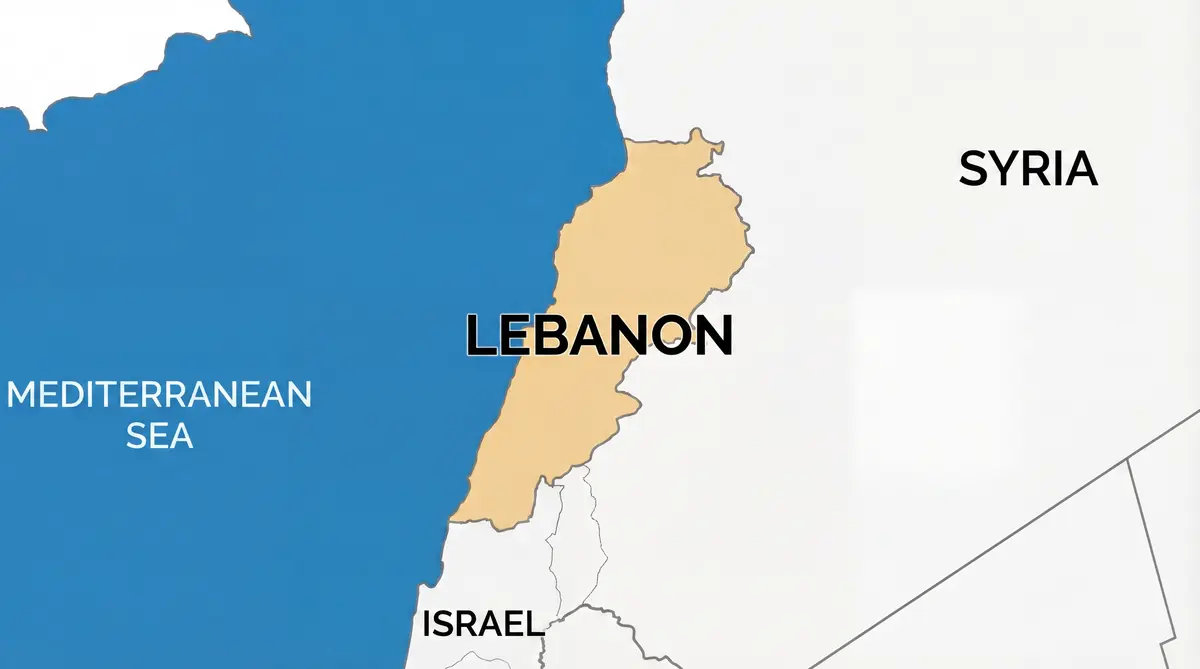
Lebanon is a small country on the eastern Mediterranean coast, bordered by Syria to the north and east and Israel to the south. The Litani River flows roughly 140 kilometres through southern Lebanon before emptying into the Mediterranean. Historically, Israel has viewed the area south of the Litani as strategically important. During the 1978 Operation Litani and again in 1982, Israeli forces pushed into Lebanon to drive out Palestinian militant groups. After 1985 the Israeli Defence Forces (IDF) maintained a “security zone” in southern Lebanon in partnership with the South Lebanon Army, a local militia. The occupation lasted until May 2000, when Israel withdrew under domestic and international pressure. Hezbollah, a Shi’a political and armed movement, emerged during these conflicts and has since become a major force in Lebanese politics and a sworn enemy of Israel.
Recent developments
- Announcement of a new buffer zone: Israel’s defence minister, Israel Katz, said the army would control territory up to the Litani River, roughly 30 kilometres north of the current border. The plan includes destroying bridges and buildings to create a clear line of defence.
- Hezbollah’s response: Hezbollah leaders condemned the proposal, calling it an “existential threat” and vowing to resist any Israeli occupation. They claimed responsibility for regular attacks on Israeli troops near the border and warned that they would fight to defend Lebanese territory.
- Humanitarian impact: Israeli airstrikes and artillery attacks have intensified across Lebanon, killing more than 1,000 people and displacing over a million. Lebanese health officials report that among the dead are many children, women and medical personnel, while scores of villages lie in ruins.
- Diplomatic actions: Lebanon expelled Iran’s ambassador, accusing Tehran of interfering in the conflict. Israel welcomed the move, but France cautioned Israel against expanding ground operations, warning of severe humanitarian consequences.
Significance
- Historical resonance: Israel’s proposed buffer zone mirrors its earlier occupation of southern Lebanon, which lasted from 1985 to 2000. That occupation aimed to shield northern Israel from rocket attacks but also fuelled resistance movements such as Hezbollah.
- Escalation risks: Taking control of territory inside Lebanon could ignite a wider regional conflict involving Iran and other regional actors. The move raises questions under international law about the seizure of land and collective punishment of civilians.
- Humanitarian concerns: Large‑scale displacement and destruction of infrastructure threaten to worsen Lebanon’s ongoing economic crisis. Relief organisations have warned of a looming humanitarian disaster if safe corridors and aid are not secured.
- Diplomatic balancing act: Lebanon’s expulsion of Iran’s ambassador reflects internal and regional tensions. International actors such as France are urging restraint, emphasising that further escalation would destabilise the Middle East.
Conclusion
The announcement that Israel will create a new “security zone” up to the Litani River signals a dramatic shift in the long‑running conflict between Israel and Hezbollah. While Israel frames the move as necessary for its defence, the plan evokes memories of past occupations and carries the risk of a broader war. With hundreds of thousands already displaced and civilian infrastructure under attack, the international community faces mounting pressure to broker de‑escalation and address the humanitarian fallout.
Source: The Times of India

