
Why in news?
New York City investigated a Legionnaires’ disease cluster. By 18 July, city officials had reported 72 confirmed cases. Two people had died and nine remained hospitalised. Cooling towers with initial positive results were disinfected.
Background
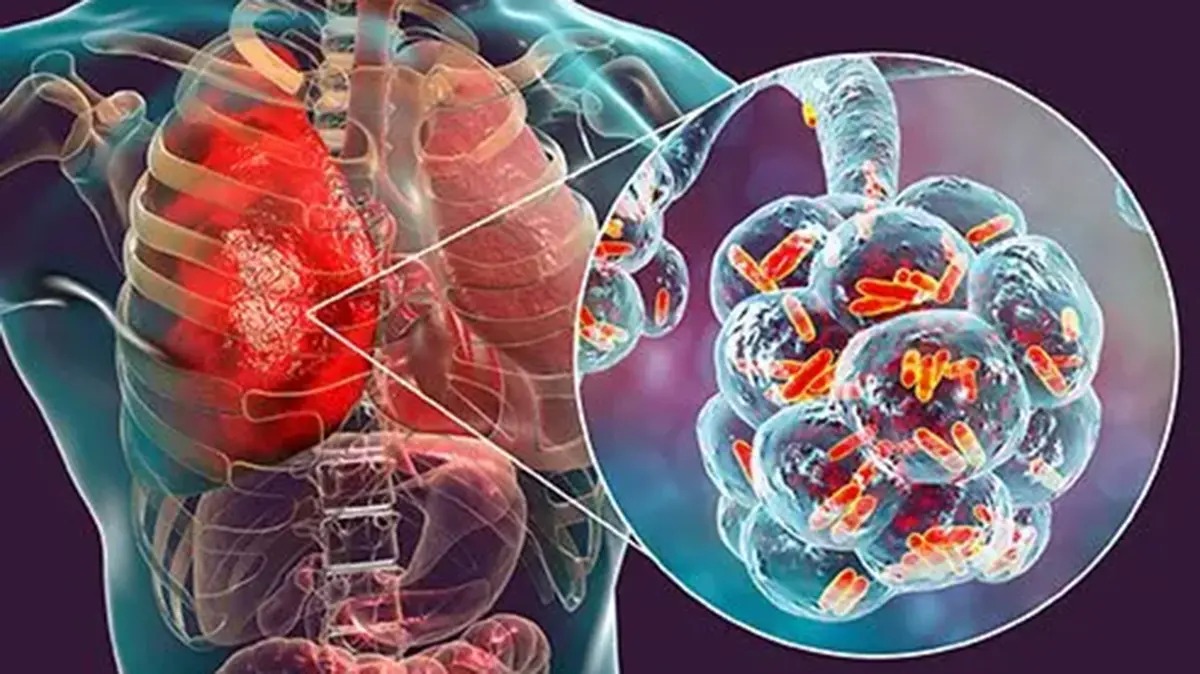
Legionnaires’ disease is a serious form of bacterial pneumonia; pneumonia causes inflammation inside the lungs’ tiny air sacs.
The disease is caused by bacteria belonging to genus Legionella.
The same bacteria can also cause a milder illness called Pontiac fever.
Why does the disease have this name?
- Members of the American Legion met in Philadelphia during July 1976.
- Many convention participants later developed severe and unexplained pneumonia.
- The outbreak caused illness and deaths before doctors knew its cause.
- Scientists identified the responsible bacterial species during the following year, 1977.
- The severe illness became known as Legionnaires’ disease.
The name comes from the affected convention group; it does not mean military personnel alone can develop the disease.
Where does Legionella grow?
The bacteria occur naturally at low levels in freshwater environments; serious exposure usually begins after growth inside human-made water systems.
Warm, stagnant water and weak disinfection allow rapid bacterial multiplication.
- Cooling towers can spread contaminated droplets across nearby areas.
- Large plumbing systems may contain warm and slow-moving water.
- Hot tubs create warm water and breathable mist.
- Decorative fountains can also create and spread contaminated water aerosols.
- Showerheads may spread fine droplets from contaminated plumbing.
An aerosol is a suspension of tiny liquid droplets in air.
Ordinary home and car air-conditioners do not use cooling-tower water.
They are therefore not usual sources of Legionnaires’ disease.
How does infection spread?
Most patients inhale mist containing Legionella bacteria; some patients inhale contaminated water accidentally while swallowing.
This second process is called aspiration; merely drinking contaminated water usually does not cause infection.
Person-to-person transmission is generally not expected during ordinary social contact.
Prelims point: Legionnaires’ disease usually spreads through contaminated water mist, not normal human contact.
What is the difference from Pontiac fever?
| Feature | Legionnaires’ disease | Pontiac fever |
|---|---|---|
| Main effect | Pneumonia affecting the lungs | Milder flu-like illness without pneumonia |
| Severity | Can require hospital care | Usually resolves without specific treatment |
| Treatment | Antibiotics are needed | Supportive care is usually sufficient |
| Cause | Legionella bacteria | Legionella bacteria |
The two illnesses have the same bacterial source but different clinical outcomes.
What symptoms occur?
Symptoms commonly begin between two and fourteen days after exposure; the exact reported range varies slightly across public-health guidance.
- High fever and shaking chills may appear during the early illness.
- Cough and shortness of breath indicate lung involvement.
- Headache and muscle pain can resemble influenza during the initial stage.
- Diarrhoea, nausea or abdominal symptoms may occur alongside respiratory illness.
- Confusion can appear when the infection becomes especially severe.
These symptoms are not unique to Legionnaires’ disease; doctors use clinical assessment, imaging and laboratory tests for diagnosis.
Who faces greater risk?
- People aged fifty years or above face greater risk.
- Current and former smokers face a greater risk of serious illness.
- Chronic lung disease increases the chance of severe illness.
- Cancer and weakened immune defences raise the risk of severe infection.
- Chronic kidney or liver disease can increase vulnerability.
Most healthy people exposed to the bacteria do not become ill; among diagnosed patients, the disease can still be life-threatening.
Public-health estimates suggest about one in ten patients may die.
What happened in New York City?
The city detected an Upper East Side cluster during early July 2026; the investigation initially covered three postal areas.
Officials sampled 183 cooling-tower systems across the affected area; seventy-six buildings returned positive initial screening results.
The city ordered immediate cleaning and disinfection for those towers; all 76 buildings reported completing this work by 16 July.
By 18 July, the cluster included 72 confirmed cases; nine people remained hospitalised, while 50 had left hospital.
Two deaths were linked with the investigated cluster by that date.
Dated update: Earlier reports mentioned 67 cases and one death; the official 18 July update gave 72 and two.
These figures were a dated snapshot and could change after further investigation.
How were the cooling towers tested?
Initial screening used polymerase chain reaction testing; the full name comes before its abbreviation, PCR.
PCR detects genetic material belonging to the bacteria; a positive result does not prove that live bacteria remain.
Culture testing grows bacteria and can identify living organisms; culture is slower but provides different evidence from PCR.
| Test | What it detects | Main limitation |
|---|---|---|
| PCR | Bacterial genetic material | May detect material from non-living bacteria |
| Culture | Live bacteria that grow in a laboratory | Results can take much longer |
New York acted on screening results before waiting for every culture result; this precaution aimed to stop exposure quickly.
Was the outbreak controlled?
New diagnoses declined sharply after the first investigation week; the daily average exceeded eight cases during 2–8 July.
It fell below one case during 10–17 July; officials said the exposure source had likely been eliminated.
The word “likely” matters because investigations and cultures continued.
How is the disease treated and prevented?
Doctors treat Legionnaires’ disease with appropriate antibiotics; early treatment improves the chance of recovery.
There is currently no vaccine against the disease; prevention therefore focuses on safe water-system management.
- Operators should prevent stagnant water and unsafe temperatures.
- Disinfectant levels need regular testing, recording and corrective maintenance.
- Cooling towers require cleaning, testing and accurate records.
- Large buildings need written water-management programmes for their complex plumbing systems.
- Public-health teams must investigate suspected community clusters without avoidable delay.
Conclusion
Legionnaires’ disease is preventable when complex water systems receive disciplined maintenance and quick public-health action.