

Why in news?
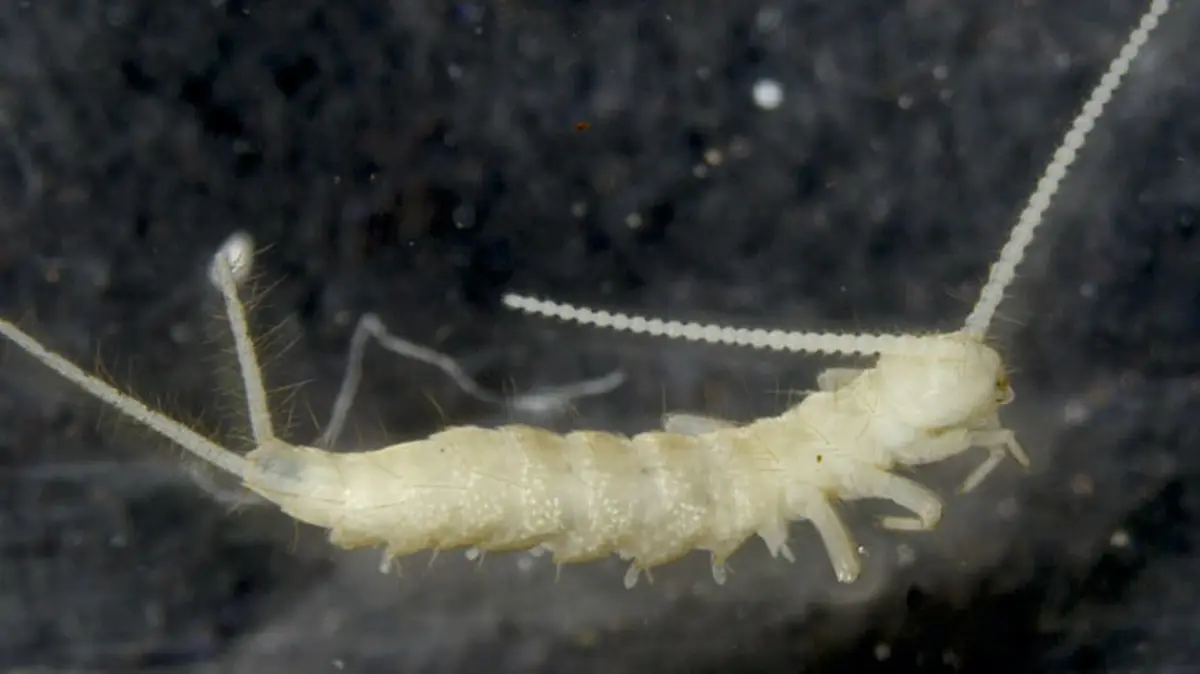
Zoologists from the Zoological Survey of India have described a new soil‑dwelling micro‑arthropod from the Eastern Himalayas named Lepidocampa sikkimensis. This is the first time an Indian research team has formally documented a Diplura species, highlighting India’s hidden soil biodiversity.
Background
Diplurans are ancient, wingless hexapods belonging to the order Diplura. They live in soil and leaf litter, playing important roles in decomposition and soil aeration. Because they are tiny and elusive, Diplura species are poorly known worldwide. The new species was collected near Ravangla in Sikkim and later found in Kurseong, West Bengal. Researchers identified it by its unique pattern of scales, bristles and specialised appendages. Alongside the new species, the team rediscovered the rare subspecies Lepidocampa juradii bengalensis and generated the first DNA barcodes for Indian Lepidocampa, enabling future taxonomic work.
Significance
- Documenting biodiversity: Soil arthropods are vital for nutrient cycling yet remain understudied. Discovering a new species underscores the rich biodiversity of the Eastern Himalayas and the need for continued exploration.
- Morphological distinctiveness: The species differs from its relatives in the arrangement of scales and bristles on its body and in the structure of its sensory appendages.
- Ecological role: Diplurans contribute to soil health by shredding organic matter and enhancing microbial activity. Their presence indicates a healthy, undisturbed ecosystem.
- Molecular breakthroughs: The new DNA barcodes will help scientists accurately identify species and track evolutionary relationships within the group.
This discovery brings attention to microscopic fauna that are often overlooked but essential for maintaining soil fertility and environmental balance.
Source: The Statesman