

Why in news?
Scientists published a major catalogue of Indian butterflies and moths. It updates the national total to 13,703 species. The work also flags doubtful records and invalid names. The peer-reviewed monograph appeared on 17 July 2026.
Background
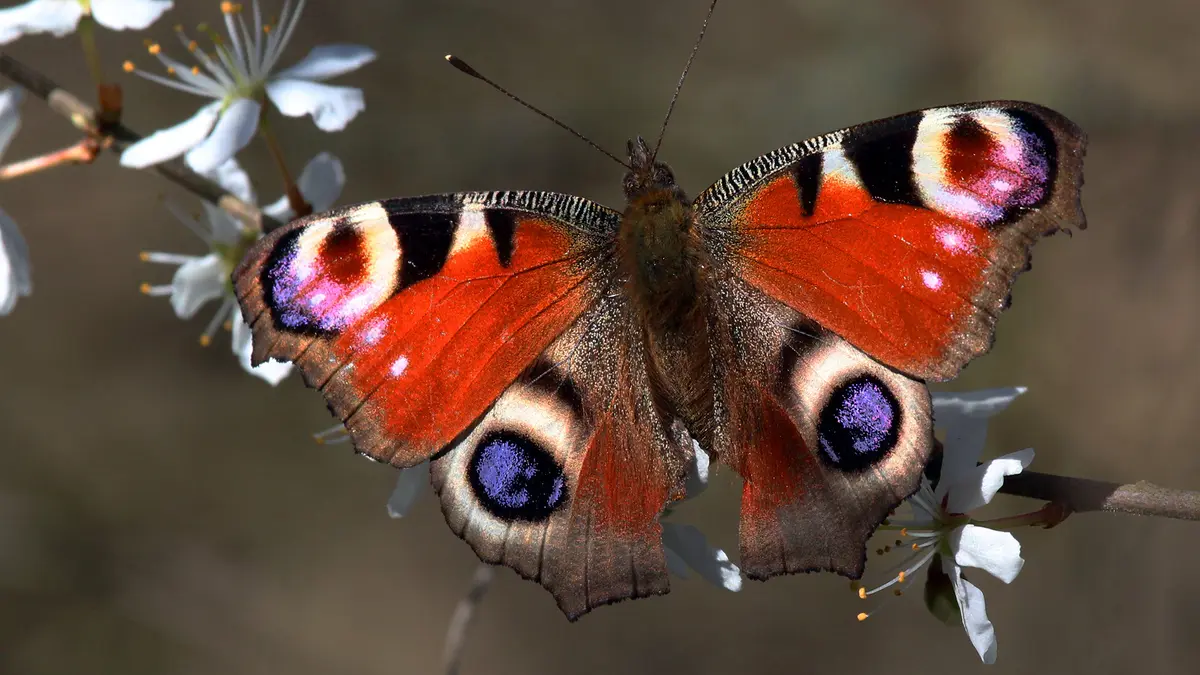
Lepidoptera is the insect order containing butterflies and moths; its name refers to their microscopic wing scales. These scales create colour, pattern and sometimes important thermal properties.
Lepidopterans undergo complete metamorphosis through four stages; an egg produces a larva, commonly called a caterpillar. The larva becomes a pupa before emerging as a winged adult.
Butterflies usually have clubbed antennae and are mostly active during daylight. Moths show wider antenna forms and include many nocturnal species. These distinctions have exceptions, so classification relies on several anatomical and genetic features.
What the 2026 catalogue changed
Rahul Joshi and Navneet Singh of the Zoological Survey of India prepared the study. It reviewed selected families lacking recent national catalogues. The work covered 1,689 species across 506 genera and 65 families.
The authors newly catalogued 41 families and revised another 24; earlier catalogues cover 37 additional families. Combining these records produced an updated Indian total of 13,703 species.
That total spans 3,705 genera, 240 subfamilies, 102 families and 31 superfamilies. The authors also identified 64 doubtful Indian records. They recorded 36 nomina nuda, meaning names published without meeting formal naming requirements.
Taxonomic cleaning can reduce a list as well as enlarge it. The catalogue proposed one generic synonym and two species synonyms. A synonym joins different scientific names that refer to the same taxon.
Why reliable catalogues matter
A national species list provides a baseline for monitoring environmental change. It helps researchers compare regions and recognise genuine new records. Quarantine and agriculture agencies also need stable names for pest identification.
Lepidopterans occupy several ecological roles; many adults transfer pollen while feeding on nectar. Caterpillars support birds and other predators, while some species damage crops or stored products.
The domesticated silkworm, Bombyx mori, supports commercial silk production; wild moths also contribute pollination and food-web services. Their decline may therefore signal wider habitat stress.
Limits and interpretation
New descriptions, range extensions and genetic studies will continue changing the list. Some old records may also disappear after re-examination. Specimen collections and openly accessible photographs can strengthen future verification.
Claims that Lepidoptera ranks exactly second among insect orders require caution. Global order rankings change with taxonomic treatment and new estimates. The important finding is India's documented diversity, not a rigid worldwide position.
Conservation implications
Butterflies and moths respond quickly to habitat and climate changes. Protecting them requires native host plants, pesticide restraint and connected habitats. Night lighting also deserves attention because it disrupts many nocturnal moths.
Long-term surveys should record abundance because species remain listed after local populations collapse. Repeated, standardised observations reveal such declines more reliably.
From names to usable biodiversity information
Taxonomy connects observations with accepted identities, preventing separate studies from unknowingly discussing the same species. Documented synonymies avoid inflated counts, while stable names support conservation laws and trade controls.
Historical records need careful verification because colonial labels may describe regions whose boundaries later changed. Missing coordinates or damaged specimens justify marking records as doubtful rather than deleting them immediately.
Deoxyribonucleic acid barcoding can reveal overlooked lineages, but it cannot replace morphology, ecology and preserved reference specimens. Public databases contain occasional errors, so integrated evidence produces more stable classifications.
Citizen observations expand coverage when photographs include dates, locations and useful viewing angles. Sensitive sites may require obscuring, while expert verification keeps popular databases scientifically dependable.
Conclusion
The new catalogue is both an inventory and a quality-control exercise. It gives Indian biodiversity research a clearer foundation for future discovery and conservation.