
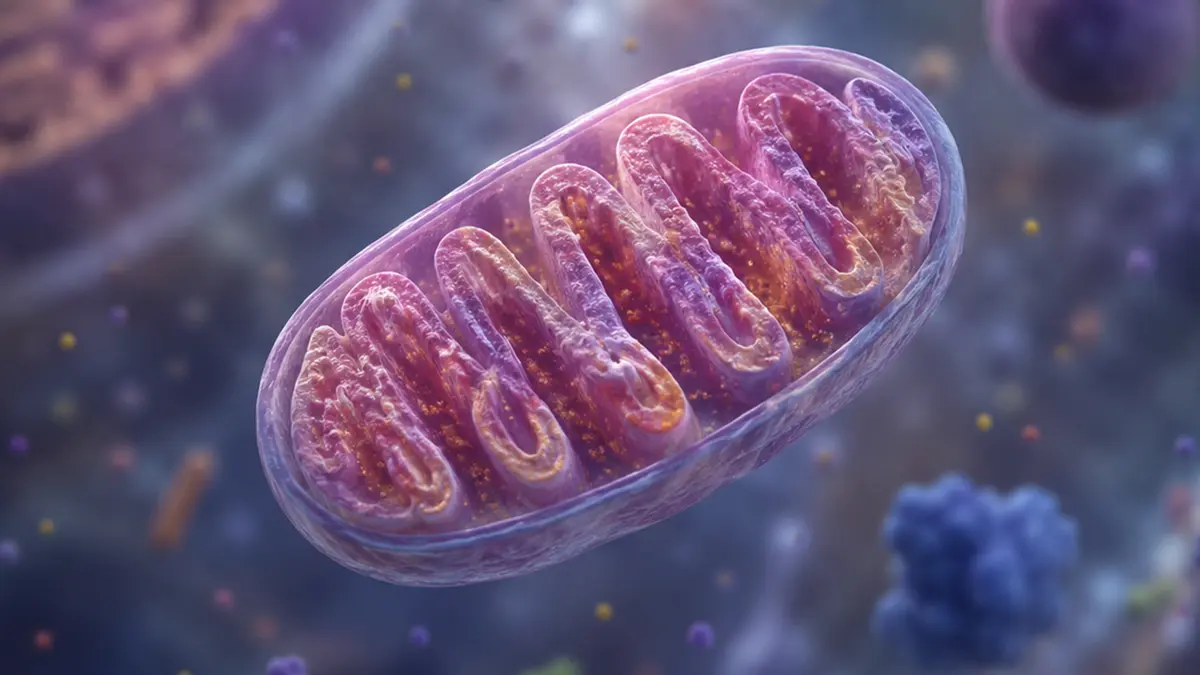
Why in news?
In late 2025 researchers at the University of Cologne reported that the amino acid leucine can stabilise proteins on the outer membrane of mitochondria and improve cellular energy production. The finding drew attention again in mid‑2026 because it hints at new therapeutic strategies for diseases linked to impaired energy metabolism.
Background
Leucine is one of three branched‑chain amino acids and is among the nine essential amino acids that the human body cannot synthesise. It is present in protein‑rich foods such as soybeans, lentils, peanuts, eggs and meat. Beyond its role in building and repairing muscle tissue, leucine triggers the mTORC1 pathway, which in turn stimulates muscle protein synthesis. Dietitians recommend about 7.5–9 grams per day for adults under 60 and 12–15 grams per day for older adults.
New scientific insights
- Mitochondrial stability: Researchers found that leucine binds to a quality‑control protein called SEL1L on the outer mitochondrial membrane. This interaction prevents the degradation of membrane proteins and helps maintain the structure of mitochondria.
- Energy boost: By preserving membrane integrity leucine improves the efficiency of oxidative phosphorylation, leading to higher energy output in cells.
- Potential therapies: The team suggested that modulating leucine intake or targeting SEL1L could be explored for treating mitochondrial diseases and age‑related decline in energy production. However, they warned against excessive supplementation because protein quality‑control pathways are complex.
- Other functions: Beyond mitochondria, leucine helps regulate blood sugar, supports wound healing and stimulates growth hormone release.
Conclusion
Leucine is more than just a building block for muscles. By stabilising mitochondria it plays a hidden role in cellular energy balance. This discovery invites further research into dietary interventions and drug targets to support people with metabolic disorders.