

Why in news?
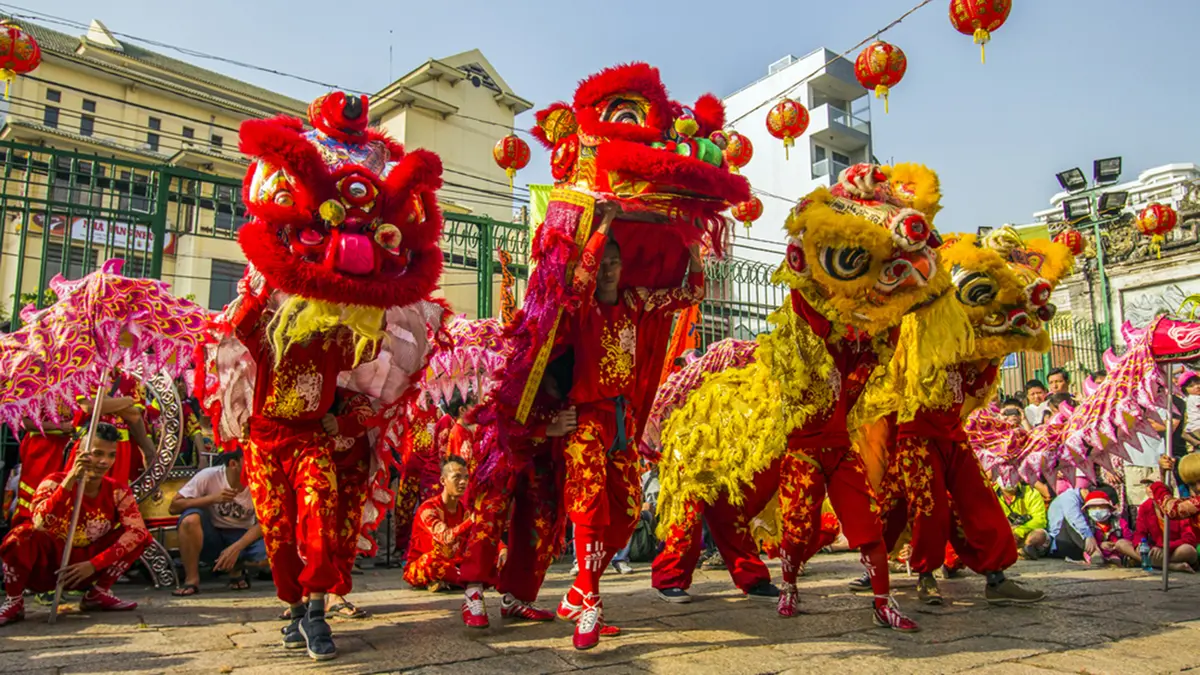
People around the world celebrated the Lunar New Year on 17 February 2026, marking the beginning of the Year of the Fire Horse. In Moscow, the city’s zoo hosted a special Spring Festival event featuring its resident pandas, dragon dances and cultural workshops.
Background
The Lunar New Year, also called the Spring Festival, is the most important holiday across East and Southeast Asia. It falls on the second new moon after the winter solstice and heralds the start of a new year according to the traditional lunisolar calendar. Each year is associated with one of twelve animal signs (Rat, Ox, Tiger, Rabbit, Dragon, Snake, Horse, Goat, Monkey, Rooster, Dog and Pig) and one of the five elements (Wood, Fire, Earth, Metal and Water). The combination repeats every 60 years. In 2026 the cycle produces the Fire Horse, a symbol of passion, independence and adventure.
Traditions and significance
- Family reunions: People travel long distances to gather with relatives. The first day is often spent visiting elders and offering food to ancestors.
- Cleaning and decorating: Homes are thoroughly cleaned to sweep away bad luck, and red lanterns, couplets and paper cuttings adorn doors and windows to attract prosperity.
- Festive foods: Dishes such as dumplings, noodles and sticky rice cakes symbolise wealth, longevity and unity.
- Red envelopes: Elders give children red packets (hongbao) filled with money to convey blessings of good fortune.
- Public celebrations: Dragon and lion dances, fireworks and temple fairs are held across China and the diaspora. The festival ends on the 15th day with the Lantern Festival.
Moscow celebrations
The Moscow Zoo collaborated with the Chinese Embassy to host a week‑long Spring Festival from 21 February to 1 March 2026. Visitors enjoyed traditional performances, tried calligraphy and paper‑cutting workshops, and watched the zoo’s giant pandas — Ruyi, Dingding and their cub Katyusha — munch on specially prepared treats. The event underscored growing cultural ties between Russia and China and allowed Muscovites to experience Lunar New Year festivities.
Conclusion
Lunar New Year celebrations illustrate the resilience of cultural traditions and their ability to transcend borders. The Year of the Fire Horse invites people to embrace change and vitality in the months ahead.
Sources: The Economic Times