
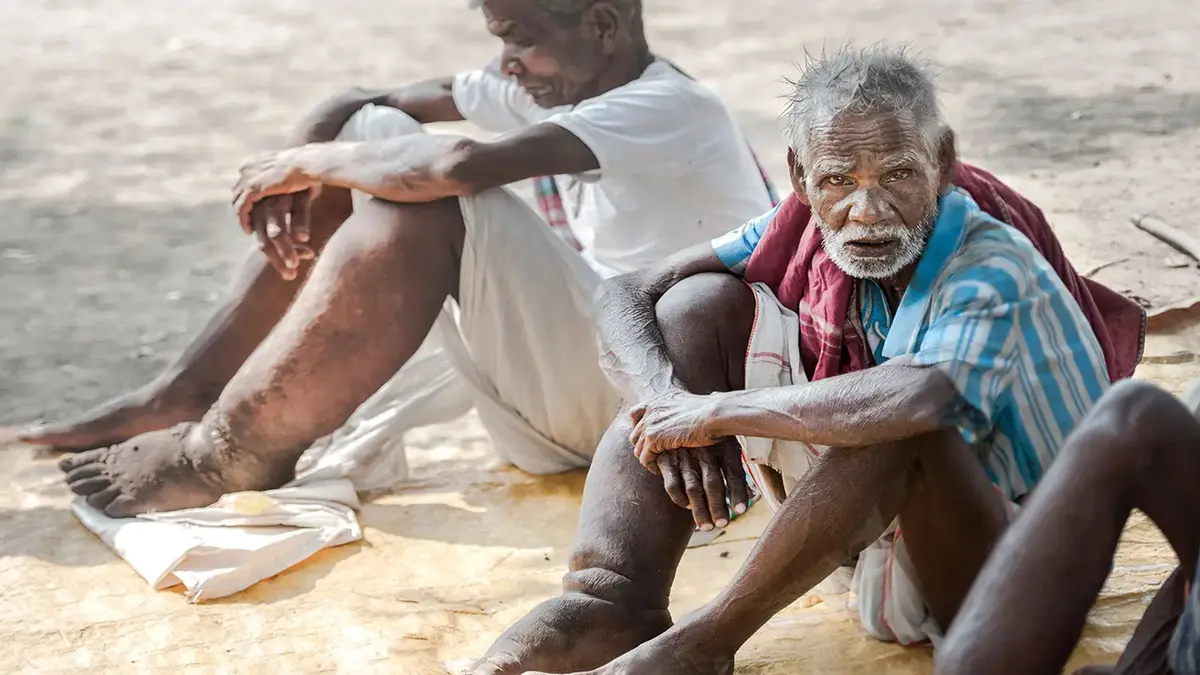
Why in news?
West Bengal began a preventive drug campaign against lymphatic filariasis in ten districts. Starting in Howrah during June 2026, health workers will treat eligible people in affected areas. The state aims to end the disease as a public-health problem by 2030.
Background
Lymphatic filariasis is a mosquito-borne parasitic disease, and it is commonly called elephantiasis after its most visible chronic effect.
The disease damages the lymphatic system, and this system balances body fluids and supports immune defence.
Infection often begins without visible symptoms, and damage can continue quietly for several years before severe swelling appears.
The World Health Organization classifies it as a neglected tropical disease. It mainly affects poor communities in tropical and subtropical regions.
Which parasites cause it?
Three thread-like roundworms can cause human lymphatic filariasis.
- Wuchereria bancrofti causes about 90 per cent of global infections.
- Brugia malayi causes most remaining infections.
- Brugia timori occurs in a limited part of Indonesia.
How does infection spread?
- Adult worms live inside an infected person’s lymphatic vessels.
- Female worms release tiny larvae called microfilariae into the blood.
- A mosquito takes up these larvae while biting that person.
- The larvae develop further inside the mosquito.
- A later bite places infective larvae on another person’s skin.
- The larvae enter the body and eventually reach lymphatic vessels.
Repeated mosquito bites are generally needed to establish infection, and the disease does not spread through ordinary casual contact.
Vector clarification: Several mosquito genera can transmit the worms, and these include Culex, Anopheles and Aedes, depending upon location.
What happens inside the body?
Adult worms may survive for six to eight years, and their presence causes inflammation and gradual lymphatic damage.
Many infected people show no outward symptoms, but hidden damage can still weaken lymphatic function and immune responses.
Later illness may produce repeated fever and painful inflammation, and long-term damage can cause permanent swelling and disability.
Main chronic conditions
- Lymphoedema: Poor lymph drainage causes persistent swelling, usually in a limb.
- Elephantiasis: Severe lymphoedema produces thickened skin and greatly enlarged body parts.
- Hydrocele: Fluid collects around the testes and enlarges the scrotum.
- Secondary infections: Damaged skin permits repeated bacterial and fungal infections.
Why give medicines to healthy-looking people?
Many infected people carry microfilariae without symptoms, and mosquitoes can still collect these larvae and continue transmission.
Mass Drug Administration treats eligible people across an endemic area, and it lowers the number of microfilariae in community blood.
This weakens the transmission cycle over repeated annual rounds, and high community participation is therefore essential.
Indian programmes commonly use diethylcarbamazine with albendazole, and selected districts use ivermectin, diethylcarbamazine and albendazole together.
Excluded groups include children below two years, pregnant women and seriously ill people.
Key point: Mass Drug Administration prevents transmission, and it does not immediately reverse established elephantiasis or every chronic disability.
India’s elimination journey
- India began nationwide Mass Drug Administration in endemic districts during 2004.
- The double-drug approach expanded from 2007.
- India introduced the three-drug combination in selected districts during 2018.
- The Union government now targets national elimination by 2027.
- West Bengal’s latest state campaign mentions a 2030 target.
These dates describe different programme levels, and the national target and one state’s operational target need not be identical.
Does elimination mean complete eradication?
No. Elimination as a public-health problem means reducing infection below defined programme thresholds.
Eradication would mean permanent worldwide disappearance of the parasite, and continued surveillance remains necessary after elimination targets are reached.
How can disability be reduced?
- Patients should wash and dry swollen limbs carefully every day.
- Exercise and limb elevation can improve lymph flow.
- Skin injuries and secondary infections need early treatment.
- Hydrocele can often be corrected through surgery.
- Mosquito control and bed nets provide additional protection.
Conclusion
Lymphatic filariasis can remain hidden while transmission continues. Repeated community treatment, mosquito control and lifelong disability care must therefore work together.