

Why in news?
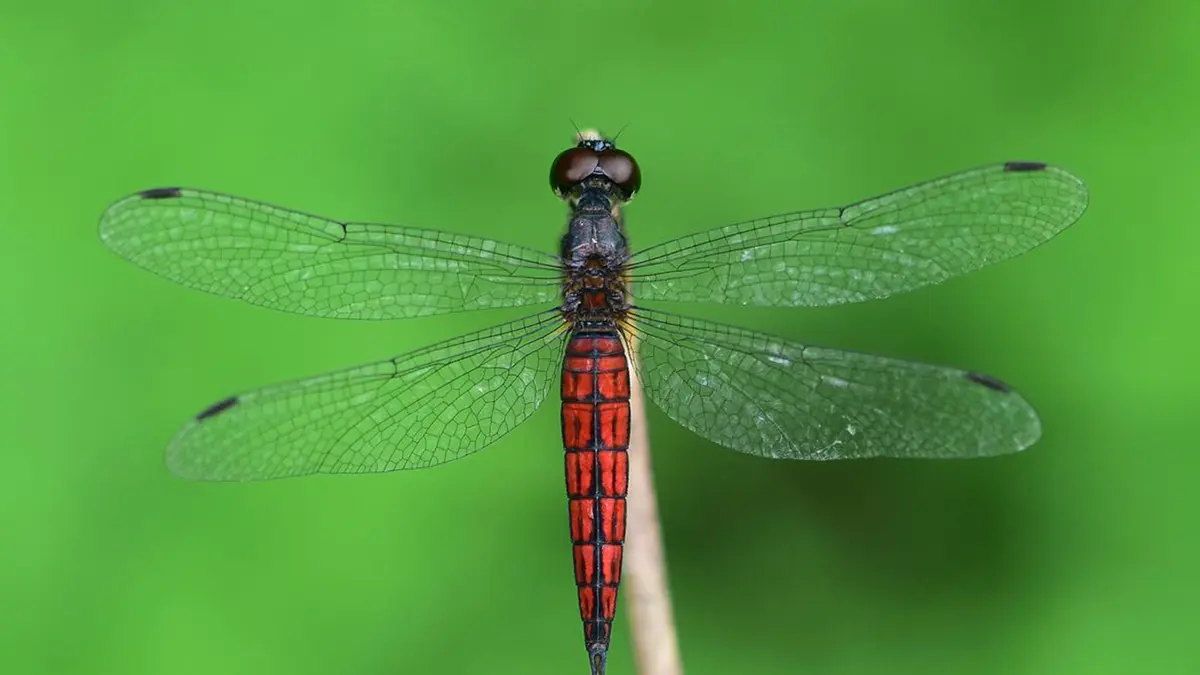
Entomologists have described a new species of dragonfly called Lyriothemis keralensis from the low‑lying coastal plains of Kerala. Locally nicknamed the Slender Bombardier, it was discovered in irrigation canals and plantations rather than forests.
Background
The genus Lyriothemis is primarily known from the forests of northeast India and Southeast Asia. Until now, no species were documented from peninsular India. The new species was identified after researchers compared specimens from Kerala with their closest relative Lyriothemis acigastra from the north‑east. Subtle differences in the shape of the abdomen and the reproductive structures confirmed that it was a distinct species.
Key characteristics
- Size and colour: Adults measure about 3 cm long. Males have a slender, blood‑red abdomen with black markings, while females are slightly broader and show a mix of yellow and black.
- Unique features: The species has a characteristically narrow abdomen and a uniquely shaped tail appendage. Microscopic examination reveals distinctive genitalia that differ from its relatives.
- Habitat preference: Unlike many dragonflies that inhabit forest streams, the Slender Bombardier thrives in human‑altered landscapes. It breeds in shaded irrigation canals, seasonal pools and plantations of pineapple and rubber.
- Seasonal behaviour: The species emerges during the monsoon, when temporary water bodies are abundant, and disappears as the rains subside. This seasonal pattern helps it avoid predators and coincide with peak food availability.
Importance of the discovery
- Biodiversity in farmlands: The find shows that agricultural landscapes can harbour previously unknown species. Maintaining canals and ponds with clean water can support insect diversity and benefit crop pollination.
- Conservation insight: Documenting new species is the first step toward their conservation. Recognising the presence of rare fauna in farmland can guide sustainable farming practices and policy decisions.
Conclusion
Lyriothemis keralensis adds to India’s rich dragonfly fauna and reminds us that biodiversity is not confined to protected forests. With careful management, even cultivated landscapes can become sanctuaries for unique wildlife.
Source: The Times of India