
Why in news?
Doctors have highlighted that routine mammograms can detect breast arterial calcifications (BAC) — tiny deposits of calcium in the breast arteries. These deposits are now recognised as markers of underlying damage to blood vessels and may indicate a higher risk of cardiovascular disease. In India and abroad, cases have emerged where a mammogram showing BAC prompted further heart tests and early treatment.
Background
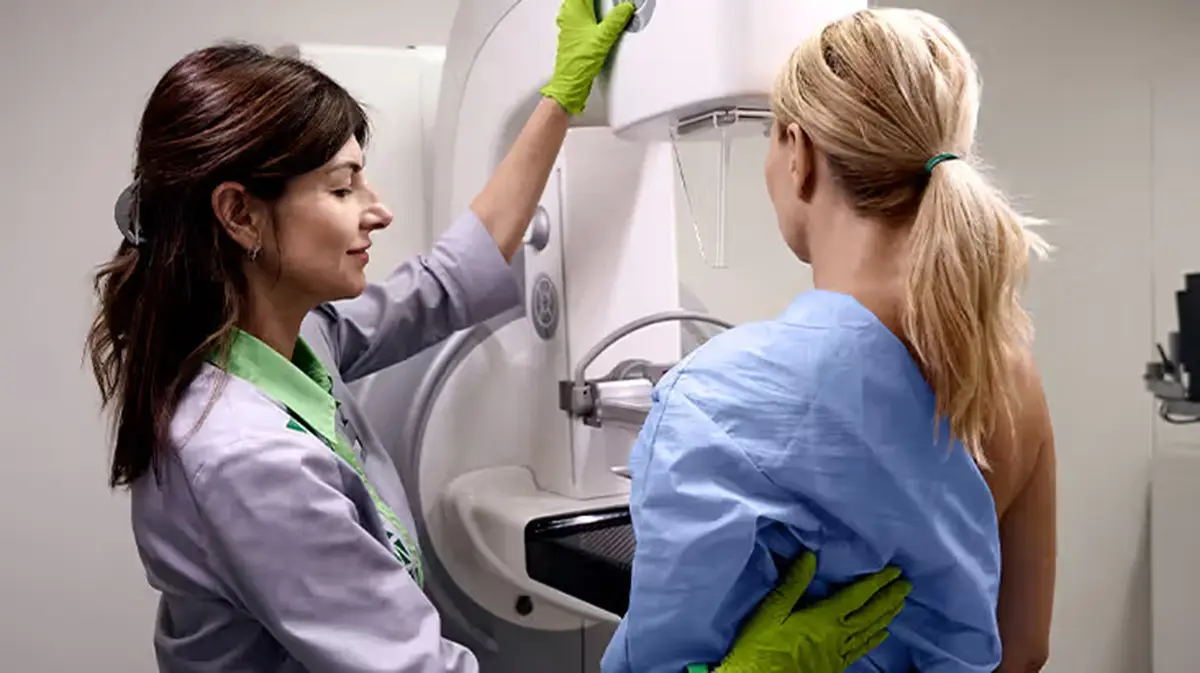
A mammogram is an X‑ray of the breast that helps doctors look for early signs of cancer. There are two main types:
- Screening mammogram: used routinely to check healthy women for signs of breast cancer before symptoms appear.
- Diagnostic mammogram: performed when someone has symptoms such as a lump, pain or nipple discharge. It looks for abnormalities but cannot by itself diagnose cancer.
The Indian Council of Medical Research recommends that women aged 40 and above have a screening mammogram every two years, or earlier if they have higher risk factors.
What are breast arterial calcifications?
Breast arterial calcifications are fine, white specks seen on a mammogram within the walls of arteries that supply the breast. They are not linked to breast cancer and do not require breast treatment. Instead, they are thought to be a sign of atherosclerosis — a build‑up of plaque inside blood vessels. In recent years doctors have begun to treat BAC as a warning marker of heart disease.
Key points
- Surrogate marker: BAC reflect changes in blood vessels caused by ageing, diabetes, high blood pressure and other metabolic disorders. They should be viewed as an indicator of systemic vascular ageing rather than a diagnosis of heart disease.
- Prevalence: Studies in India show that 10–20 percent of women undergoing mammography display BAC. The frequency rises from about 9–16 percent in women aged 40–65 to nearly half of women above 65. It is more common after menopause and in those with diabetes, hypertension or kidney disease.
- Clinical impact: When BAC are detected, doctors may advise a cardiovascular evaluation and lifestyle changes (diet, exercise and glucose control). In several cases the mammogram finding led to the discovery of silent coronary artery disease and early intervention, such as medications or bypass surgery.
- Role of artificial intelligence: Researchers are developing AI tools that analyse thousands of mammograms and predict major cardiac events as accurately as conventional risk models. These algorithms can identify subtle vascular patterns that human eyes might miss, making large‑scale screening feasible. However, cardiologists stress that AI‑based risk assessment should complement, not replace, clinical judgement.
Conclusion
Mammography remains the gold standard for detecting breast cancer early. The recognition that it can also reveal calcium deposits in breast arteries offers a new opportunity to screen women for heart disease at the same time. Understanding BAC as a risk indicator — rather than a diagnosis — helps women and their doctors decide on appropriate follow‑up tests and lifestyle changes.
Source: The Times of India

